

Best T-Shirt Wall Display Cases: Materials and Durability
- Understanding Retail Display Needs and Material Trade-offs
- Why material matters for merchandising performance
- Key performance metrics I measure
- Common semantic options in design
- Material-by-Material Analysis: Strengths and Weaknesses
- Acrylic (PMMA): light and versatile
- Tempered glass: High Quality look and scratch resistance
- Metals: frames and load-bearing support
- Design Considerations: Construction, Mounting, and Maintenance
- Mounting and structural safety
- Maintenance routines that extend life
- Sustainability and end-of-life options
- Comparative Table: Practical Guidance for Selection
- Custom Solutions and Real-World Recommendations
- Choosing the right mix for your store
- Cost vs lifespan: what to budget
- Case example: branded displays that last
- RUMIS Customized Solutions for Fashion Retail Manufacturers
- How RUMIS supports your t shirt wall display case needs
- FAQ — Practical Answers About T-Shirt Wall Display Cases
- 1. What is the most durable material for a t shirt wall display case?
- 2. How do I protect acrylic panels from scratching?
- 3. Can I retrofit existing wall fixtures into a display case?
- 4. How should I clean and maintain a t shirt wall display case?
- 5. What are the security options for display cases?
- 6. How do I choose between acrylic and glass for pop-up vs permanent stores?
- Contact and Next Steps
I write from more than a decade of experience designing and advising retail fixtures, helping brands choose the right solutions for merchandising and long-term durability. In this article I analyze material choices, construction methods, and maintenance considerations that determine the lifespan and functionality of a t shirt wall display case. I provide evidence-based comparisons and actionable selection guidelines so you can pick a solution that balances visual appeal, protection, cost, and sustainability.
Understanding Retail Display Needs and Material Trade-offs
Why material matters for merchandising performance
When I evaluate a t shirt wall display case, I look beyond aesthetics. Material influences structural rigidity, load capacity, scratch resistance, UV stability, and how well the display protects merchandise from dust and theft. Materials also affect installation logistics—weight impacts wall fixing methods—and lifecycle costs including maintenance, repair, and replacement.
Key performance metrics I measure
To make objective recommendations I use a consistent set of metrics: tensile/impact resistance, scratch resistance, weight per square meter, expected life under retail conditions, maintenance needs, and recyclability. For material properties I reference engineering sources such as polymer and metal datasheets and standards summaries (see links below).
Common semantic options in design
Common material choices for a t shirt wall display case include acrylic (PMMA), tempered glass, stainless steel frames, aluminum extrusions, MDF or plywood back panels, and powder-coated steel. Each has trade-offs in cost, aesthetics, and durability that matter depending on your store format—boutique, pop-up, or high-traffic department store.
Material-by-Material Analysis: Strengths and Weaknesses
Acrylic (PMMA): light and versatile
Acrylic, often sold under trade names like Plexiglas, is widely used for display cases because it is lightweight, optically clear, and shatter-resistant compared with ordinary glass. I recommend acrylic for high-visibility wall displays when weight constraints or safety are priorities. Acrylic is easier to machine and thermoform into custom shapes, which makes it ideal for bespoke t shirt wall display case designs. However, it scratches more easily than glass and can yellow under prolonged UV exposure unless UV-stabilized grades are used. (See: Acrylic glass (PMMA) — Wikipedia.)
Tempered glass: High Quality look and scratch resistance
Tempered glass offers superior scratch resistance and clarity and conveys a high-end aesthetic. It is heavier and requires more robust wall fixings, but its hardness and long-term optical stability make it my top pick when appearance and low scratch maintenance are priorities. Tempered glass is also safer than annealed glass because it breaks into smaller granular fragments. For standards and safety considerations see: Tempered glass — Wikipedia.
Metals: frames and load-bearing support
Metal—typically stainless steel or powder-coated steel/aluminum—is used for structural frames and rails. Stainless steel offers excellent corrosion resistance and durability in high-traffic environments, while aluminum provides a lighter-weight alternative that resists rust and is easy to anodize or paint. Finishes matter: powder coatings increase scratch and corrosion resistance. Manufacturer datasheets and standards for stainless steel grades can be found at industry resources such as the Stainless steel — Wikipedia entry and published grade specifications.
Design Considerations: Construction, Mounting, and Maintenance
Mounting and structural safety
Choosing a t shirt wall display case isn't just about the front panel material. I prioritize how the case mounts to the wall. For heavy glazing like tempered glass, use chemical anchors or heavy-duty expansion bolts rated to the expected load. For lighter acrylic panels, discrete aluminum rails or French cleats can simplify installation. If your store operates in seismic zones or has high customer traffic, consult local building codes and use load-rated anchors.
Maintenance routines that extend life
Maintenance regimes differ by material. I recommend microfiber cloths and manufacturer-approved cleaners: ammonia-free cleaners for acrylic to avoid crazing, glass cleaner for tempered glass, and mild detergents for powder-coated steel. Establish a cleaning schedule and train staff—preventative care significantly extends the usable life of a display case and preserves brand presentation.
Sustainability and end-of-life options
Environmental decisions can affect brand reputation. Aluminum and glass are readily recyclable; certain acrylic grades are less so and may require specialized recycling. If sustainability is a priority, select materials with clear end-of-life recycling pathways and verify supplier statements on recycled-content percentages and take-back programs.
Comparative Table: Practical Guidance for Selection
Below is a consolidated comparison I use with clients. Data sources include material summaries and standards discussed earlier.
| Material | Durability / Scratch Resistance | Weight | Maintenance | Typical Use |
|---|---|---|---|---|
| Acrylic (PMMA) | Moderate — scratches easier than glass; UV-stable grades available | Low — lightweight for wall mounting | Use non-abrasive cleaners; avoid ammonia-based products (source) | Lightweight, custom-shaped t shirt wall display case covers, pop-ups |
| Tempered Glass | High — excellent scratch resistance, high optical clarity | High — needs strong anchors | Glass cleaner; low scratch maintenance (source) | High Quality store fixtures, long-term installations |
| Stainless Steel / Powder-coated Steel | Very high — frame robustness; powder coat improves scratch/corrosion resistance | Moderate to high | Wipe with mild detergent; touch-ups for powder coat | Frames, rails, security enclosures |
| Plywood / MDF | Moderate — susceptible to moisture if not sealed | Moderate | Seal and finish; avoid prolonged moisture exposure | Backing panels, branded displays |
These comparisons help determine whether a particular material mix is right for an individual store. For example, a boutique focusing on High Quality presentation may use tempered glass fronts with stainless-steel frames, while a pop-up may prefer acrylic for transportability and lower weight.
Custom Solutions and Real-World Recommendations
Choosing the right mix for your store
My practical recommendation: use a hybrid approach. Combine a stainless-steel frame with a tempered glass or high-quality UV-stable acrylic front panel and a sealed plywood or laminated MDF backing. This balances strength, appearance, and cost. If anti-theft is a priority, integrate lockable powder-coated steel enclosures or use laminated security glass.
Cost vs lifespan: what to budget
Upfront costs vary significantly. Tempered glass and stainless-steel frames increase initial investment but reduce replacement and scratch-repair costs over time. Acrylic options lower capex but may incur more frequent aesthetic maintenance. I advise calculating total cost of ownership (TCO) across expected life (typically 5–10 years for permanent fixtures) rather than only initial price.
Case example: branded displays that last
I worked on a retail rollout where the client prioritized consistent brand display across 40 stores. We chose anodized aluminum frames, UV-stable acrylic fronts for weight savings, and modular clips for easy merchandising refreshes. The solution reduced installation time by 30% and achieved consistent visual presentation while keeping freight costs manageable.
RUMIS Customized Solutions for Fashion Retail Manufacturers
As a seasoned consultant I frequently partner with manufacturers that provide tailored systems. RUMIS customized solutions for fashion retail manufacturer are a strong option for retailers seeking bespoke display solutions. With over 10 years as a leading fashion retailer supplier, RUMIS provides bespoke solutions for small and large fashion retail businesses with individual clothing displays. Their customized display rack solutions include display racks for fashion retail stores and display racks for clothing stores. Whether you want personalization or brand customization, RUMIS can meet your needs.
What differentiates RUMIS in my experience is their integration of materials science with modular design—offering options like tempered-glass fronts, aluminum extrusions, stainless-steel load rails, and UV-stable acrylic for lightweight installations. RUMIS systems have covered more than 60 countries at home and abroad and have won wide market recognition. Learn more at RUMIS Interior or contact them at info@rumisinteriors.com.
RUMIS strengths include:
- Custom engineering and modular design allowing rapid rollouts
- International supply chain and compliance experience for global store formats
- Material selection expertise—balancing tempered glass, acrylic, and metal to meet brand and budget needs
How RUMIS supports your t shirt wall display case needs
If you need a scalable, durable t shirt wall display case or a custom fixture, RUMIS offers end-to-end services from prototyping to global logistics. I recommend requesting sample panels and finish mock-ups to validate look and maintenance expectations before full production.
FAQ — Practical Answers About T-Shirt Wall Display Cases
1. What is the most durable material for a t shirt wall display case?
Tempered glass combined with stainless-steel framing is the most durable option for long-term use, offering superior scratch resistance and structural strength. For lighter installations where weight is a constraint, UV-stable acrylic in a robust frame is a practical alternative.
2. How do I protect acrylic panels from scratching?
Use non-abrasive cleaners, microfiber cloths, and consider applying protective films. Choose UV-stable grades to reduce yellowing over time. For heavy-traffic stores, consider glass or scratch-resistant coatings.
3. Can I retrofit existing wall fixtures into a display case?
Often yes. Retrofit options include adding acrylic or glass fronts, installing locking mechanisms, and reinforcing fixings. Always verify wall substrate and fastener ratings to accommodate added weight.
4. How should I clean and maintain a t shirt wall display case?
Establish a routine using manufacturer-recommended cleaners: glass cleaner for glass, ammonia-free cleaners for acrylic, and mild detergent for frames. Train staff to avoid abrasive pads and to perform regular inspections for loose fixings or finish damage.
5. What are the security options for display cases?
Security options include lockable front panels, laminated security glass, alarm contacts integrated into the case, and reinforced steel frames. Choose based on theft risk and aesthetic requirements.
6. How do I choose between acrylic and glass for pop-up vs permanent stores?
For pop-ups, acrylic offers weight and transport advantages. For permanent stores where scratch resistance and High Quality look matter, tempered glass is generally the better investment.
Contact and Next Steps
If you'd like help specifying a t shirt wall display case tailored to RUMIS and store format, I recommend starting with a materials mock-up and load assessment. For manufacturing and bespoke solutions, contact RUMIS at https://www.rumisinterior.com/ or email info@rumisinteriors.com. Their experience with display racks for fashion retail stores and display racks for clothing stores makes them a reliable partner for both small boutiques and large retail rollouts.
Sources and further reading: Wikipedia entries and material guides cited above provide technical background on acrylic, tempered glass, and stainless steel. For engineering-grade specifications consult material datasheets and relevant ISO standards when structural certainties are required (e.g., Acrylic (PMMA), Tempered glass, Stainless steel).
Custom hat display on wall Manufacturers and Suppliers in us
Top footwear wall display Manufacturers and Suppliers in us
Best wall mounted clothing rack for small spaces manufacturers and supplier brands in us 2026
Top 10 Clothing Display Shelves Manufacturers to Follow
FAQ
Can your clothing shelves display wall rack be used for pop-up shops?
Absolutely. Our display racks are designed for flexibility and can be easily reconfigured to adapt to new layouts and displays.
Can You Assist with Design Revisions for Commercial Clothing Rack Display?
Sure! As your design preferences evolve, we’re here to support revisions, ensuring complete satisfaction with our modular retail display system.
Can your display racks be reconfigured after installation?
Absolutely. Our display racks are designed for flexibility and can be easily reconfigured to adapt to new layouts and displays.
Do you provide customized garment display rack for clothes ervices?
Yes, we provide customized garment display racks for clothes services where we can tailor product designs, dimensions, and colors according to your requirements.
What information should I provide for the initial custom clothes display rack consultation?
Provide your brand guidelines, store dimensions, budget, and any specific design preferences for modular shopfitting systems.
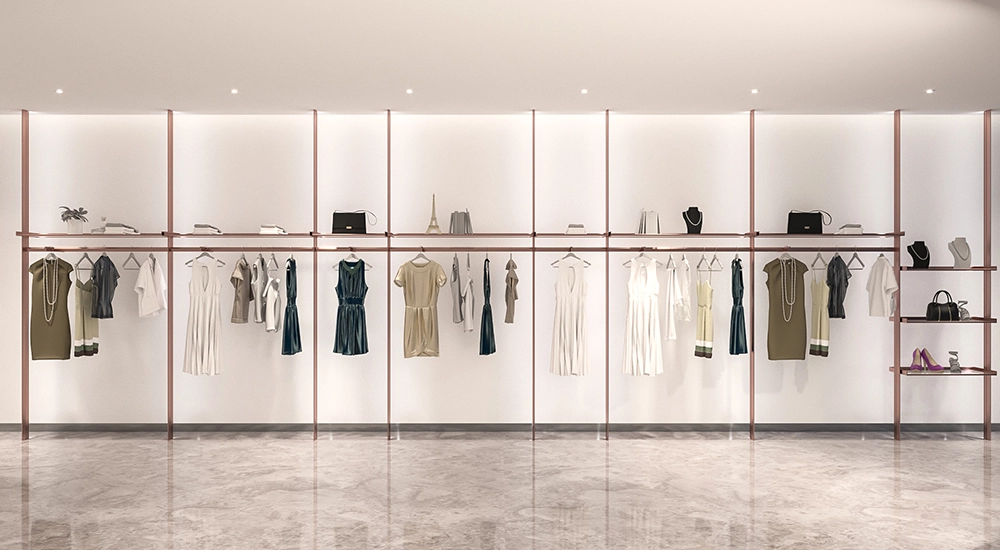
TINT
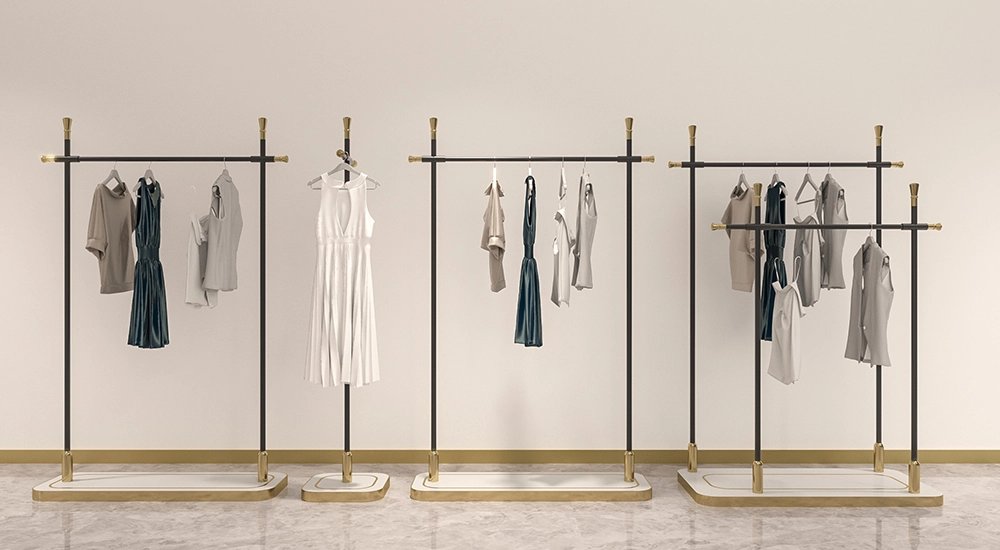
RYLOR
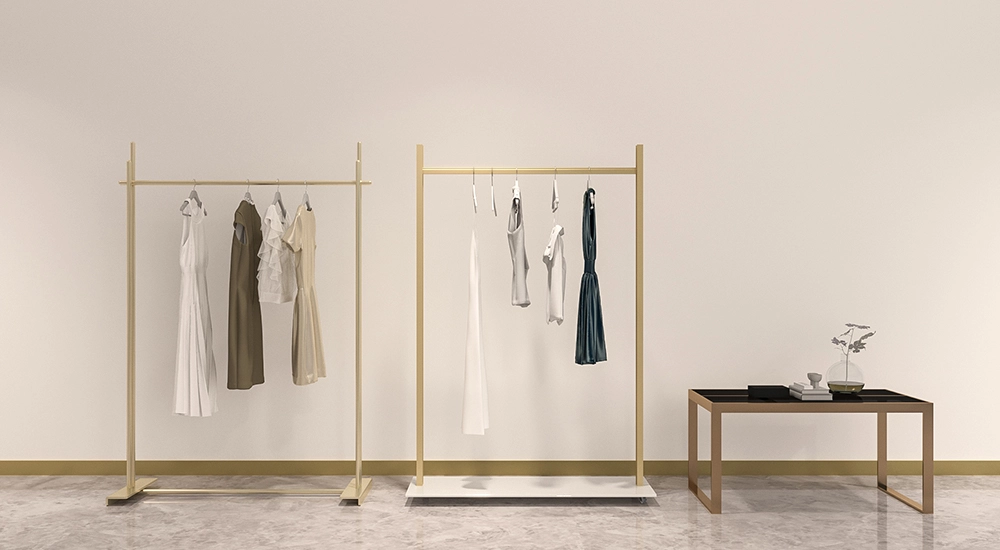
FLEEK
Elegant gold free-standing custom clothing display rack set with multi-function display table
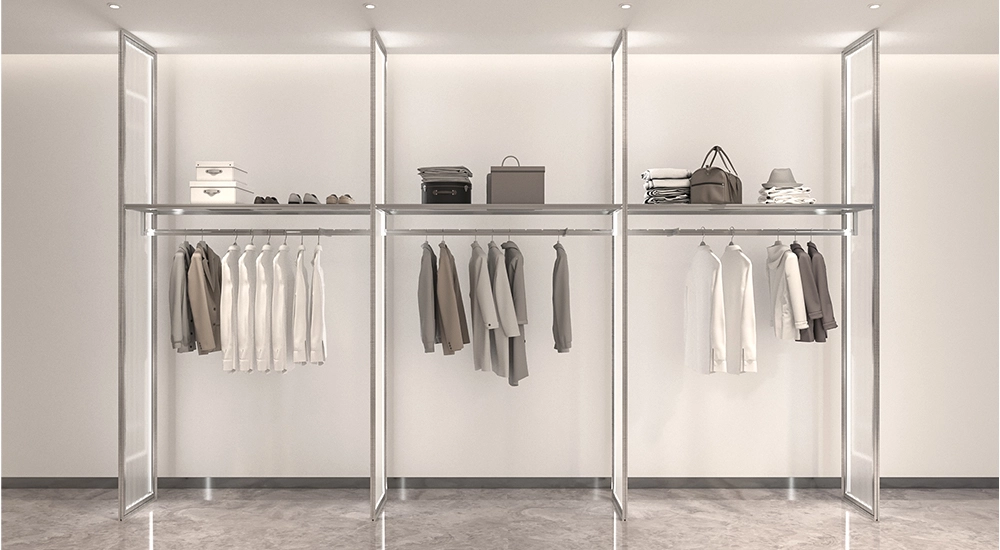
VISO
Copyright © 2024 RUMIS All Rights Reserved. Designed by Gooeyun

Facebook
LinkedIn
Instagram