

Decoding Wholesale Clothing Display Racks Pricing in 2026: Hidden Costs to Avoid
In the highly competitive landscape of physical retail in 2026, understanding the true wholesale clothing display racks price is more critical than ever for maintaining healthy profit margins. Store layout and aesthetic presentation directly influence consumer purchasing behavior, meaning your fixtures are an active investment in revenue generation, not just background furniture. However, navigating the B2B marketplace to find the right displays often leads buyers into a maze of fragmented pricing structures, unpredictable freight costs, and varying material qualities.
Many retail store owners and procurement managers focus solely on the initial unit cost, completely overlooking the substantial secondary expenses that accumulate during shipping, assembly, and long-term maintenance. This comprehensive guide breaks down the hidden costs of commercial store fixtures, explores the latest 2026 material pricing trends, and reveals how partnering with transparent manufacturers can protect your visual merchandising budget from unexpected inflation.
What Determines the Wholesale Clothing Display Racks Price?
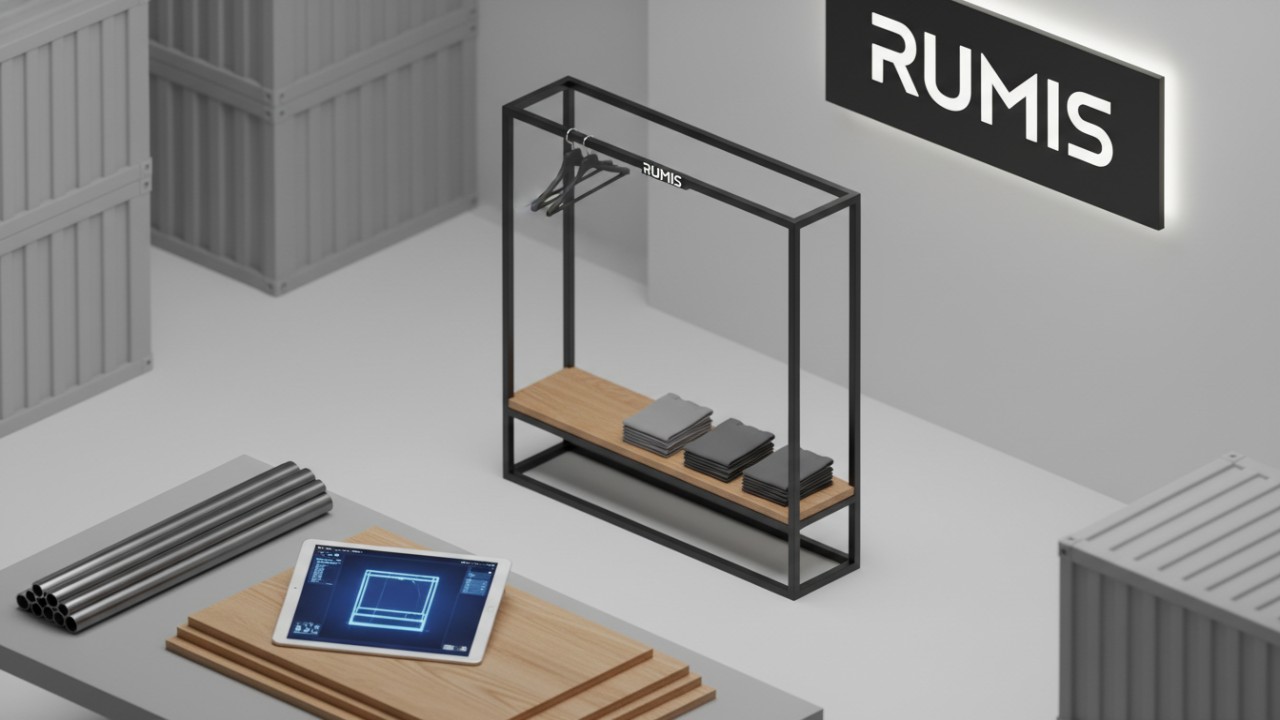
The wholesale clothing display racks price is primarily determined by raw material costs, manufacturing complexity, minimum order quantities (MOQ), and shipping logistics. Standardized metal z-racks offer economy pricing, while customized boutique fixtures require a higher initial investment but yield better brand presentation.
Understanding how and why these baseline factors interact is the key to mastering your procurement strategy. Raw materials, such as high-gauge steel, brushed aluminum, and treated wood, set the foundation for the cost. When you request unique finishes like matte powder coating or electroplated brass, the manufacturing complexity increases, requiring specialized tooling and longer production hours. Furthermore, Minimum Order Quantities (MOQ) heavily dictate your leverage; ordering 500 units allows the factory to distribute setup costs efficiently, dramatically lowering the per-unit price compared to ordering just 50 units.
Ultimately, the goal of these fixtures is to drive sales through effective presentation. As reported by Wikipedia, visual merchandising is the retail practice of optimizing the presentation of products to attract, engage, and motivate the customer towards making a purchase. Investing in the right fixtures ensures your merchandise is displayed optimally, maximizing floor space and elevating the overall customer shopping experience.
Key Takeaways: Quick Summary of Wholesale Pricing
A quick summary of wholesale pricing reveals that buyers must calculate the Total Cost of Ownership (TCO) rather than just evaluating the initial unit sticker price. This comprehensive approach prevents unexpected secondary expenses from devastating your visual merchandising budget.
To effectively navigate the B2B marketplace in 2026, retail buyers need to adopt a holistic view of their purchasing strategy. Here are the core principles to remember:
- Calculate the Total Cost of Ownership (TCO): Always factor in the lifespan of the rack, potential repair costs, and daily usability, not just the upfront invoice.
- Account for Freight and Tariffs: Logistics, including ocean freight and import taxes, can easily add up to 30% to your final invoice if not properly negotiated.
- Evaluate Assembly Requirements: Pre-assembled racks save on costly in-store labor time but require more cargo space, making them significantly more expensive to ship.
- Leverage Factory-Direct Partnerships: Partnering directly with a customized solutions manufacturer like Guangdong Meicheng Smart Building Co., Ltd (RUMIS) often bypasses steep middleman markups and ensures greater quality control.
Decoding the Hidden Costs: What B2B Marketplaces Don't Tell You
Hidden costs in B2B marketplaces often include unexpected shipping surcharges, import tariffs, extensive assembly labor, and frequent replacement expenses for low-quality parts. These concealed factors can drastically inflate the overall commercial clothing rack hidden fees far beyond the initial quote.
When sourcing from generic, aggregate B2B platforms, the quoted price per unit is rarely the final amount you pay. Sellers often display artificially low prices to win your click, only to append aggressive fees during the checkout or shipping phases. Understanding why these fees exist and how they are applied is crucial for accurate budget forecasting.
- Shipping and Freight Fees: The logistical difference between domestic delivery and overseas freight is massive. Buyers are frequently hit with LTL (Less Than Truckload) surcharges, fuel adjustments, and dimensional weight penalties for bulky fixtures.
- Tariffs and Import Taxes: Sourcing from generic overseas platforms without a dedicated trade partner leaves you vulnerable to unexpected customs fees and border tariffs that can halt your shipment.
- Assembly Labor Costs: The hidden expense of paying your retail staff hourly wages to build complex, poorly machined 'Knock-Down' (KD) fixtures can negate any savings gained from buying flat-packed goods.
- Replacement Parts and Durability: Cheap initial prices almost always indicate thin steel and weak welding. This leads to frequent replacements for bent frames and broken casters, disrupting your store operations.
To better understand how to select a reliable production partner that avoids these pitfalls, we recommend reading our comprehensive clothing display shelves manufacturers guide.
Expert Tips & Common Mistakes When Buying in Bulk
The most common mistakes when evaluating bulk garment racks pricing involve underestimating load-bearing requirements and ignoring seasonal production lead times. Avoiding these critical errors ensures your retail store fixtures remain structurally sound and arrive exactly when your seasonal rollout requires.
Buying in volume amplifies both savings and errors. A slight miscalculation in the required dimensions or weight capacity spread across hundreds of stores can result in a catastrophic logistical nightmare. Retailers must approach bulk purchasing with meticulous attention to engineering specifications and supply chain timelines.
- Mistake 1: Choosing "economy" racks for heavy winter garments. A standard rack may hold summer dresses, but loading it with thick winter coats leads to structural failure, bowed steel, and potential safety hazards for shoppers.
- Mistake 2: Ignoring international lead times during peak fashion seasons. Placing orders too close to Q4 holidays forces you into expensive expedited air shipping instead of economical ocean freight.
- Expert Tip: Always verify the load-bearing capacity and the exact gauge of the steel used in pipeline and Z-racks. Lower gauge numbers mean thicker, stronger steel.
- Expert Tip: Request highly detailed 3D renderings and physical prototypes before approving mass production to ensure your custom boutique display stands match your store's spatial requirements flawlessly.
2026 Pricing Trends: Forecasting Material and Manufacturing Costs

In 2026, pricing trends for retail fixtures are heavily influenced by the stabilization of global steel and aluminum prices alongside a rising demand for smart, modular designs. Investing in durable materials now helps protect retailers from unpredictable future supply chain inflation.
The global commodities market plays a direct role in the cost of your store fixtures. In fact, as reported by Nifty Alloys LLC, the steel price forecast for 2026 indicates that prices will generally remain elevated compared to historical averages, driven by the high baseline cost of energy and raw materials. While extreme pandemic-era spikes have settled, manufacturers still face significant overhead, meaning buyers should expect moderate volatility and budget accordingly.
Furthermore, the rising demand for modular, adaptable retail fixtures is shifting how budgets are allocated. Retailers are willing to pay a slightly higher upfront cost for racks that can be reconfigured for different seasons, effectively stabilizing their long-term investment costs. Investing in durable, premium display racks for clothing stores is now seen as an essential hedge against future supply chain inflation.
Fixture Pricing & Logistics Comparison (2026 Estimates)
| Fixture Type | Initial Cost (Per Unit) | Shipping Expense | Assembly Labor | Best Retail Application |
|---|---|---|---|---|
| Standard Metal Z-Racks | Low ($30 - $60) | Moderate (KD Flat Pack) | Low (Simple instructions) | Backroom storage, warehouse clearance |
| Modular Pipeline Displays | Medium ($80 - $150) | Medium (Dense materials) | Moderate (Requires tools) | Urban streetwear, modern retail shops |
| Custom Boutique Fixtures | High ($150 - $300+) | High (Often Pre-Assembled) | Low to High | High-end boutiques, luxury flagship stores |
How RUMIS Eliminates Hidden Fees with Transparent Bespoke Solutions
RUMIS eliminates hidden fees by utilizing a factory-direct model that provides clear, upfront quotes covering design, production, and shipping without middleman markups. This transparency ensures that fashion retail businesses receive high-quality bespoke solutions perfectly tailored to their exact financial budgets.
Navigating the complexities of retail outfitting requires a trustworthy partner. Guangdong Meicheng Smart Building Co., Ltd, operating globally under the prestigious brand name RUMIS, has been a leading fashion retail manufacturer for over 10 years. We specialize in providing customized solutions specifically designed for both small independent boutiques and large-scale fashion retail businesses requiring individual clothing displays.
Because we operate our own manufacturing facilities, we eliminate the traditional layers of brokers and wholesalers. When you request a quote for display racks for fashion retail stores or display racks for clothing stores, our team provides a comprehensive breakdown of the costs. Whether you require distinct personalization or extensive brand customization, our process is entirely transparent. To learn more about how we bring these unique concepts to life, explore our custom retail clothing display racks guide.
Case Study: Global Fashion Retail Manufacturer Cost Optimization
By balancing personalization and brand customization with cost-effective manufacturing techniques, RUMIS has successfully optimized retail fixture costs for clients globally. Our customized systems have effectively covered more than 60 countries, earning wide market recognition for delivering premium displays on budget.
When a major international fashion brand needed to overhaul its visual merchandising strategy across 200 locations in 2026, they faced a massive challenge in controlling their wholesale retail store fixtures cost. Standard off-the-shelf racks failed to communicate their premium brand identity, but local custom fabricators were prohibitively expensive.
By partnering with RUMIS, the brand utilized our bespoke engineering capabilities to design a unique, modular display system. We optimized the steel gauge and simplified the joint connections, allowing the fixtures to be flat-packed tightly for international shipping without sacrificing structural integrity. This strategic approach to manufacturing not only reduced their global freight costs by 22% but also allowed the brand to deploy uniform, high-end display racks for fashion retail stores across diverse global markets smoothly.
Conclusion
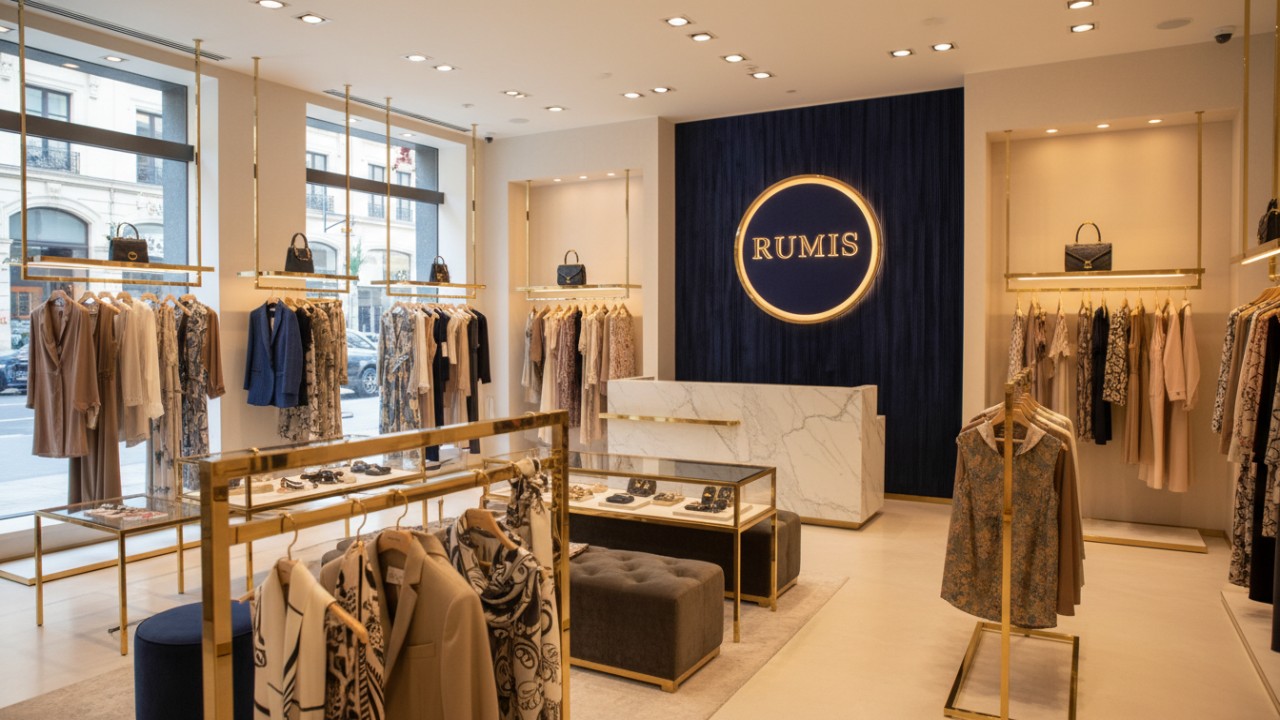
Evaluating the true wholesale clothing display racks price requires looking strictly past the initial sticker value to understand shipping, labor, and durability costs. By avoiding common hidden fees and prioritizing manufacturing quality, retailers can strategically maximize their visual merchandising ROI.
The physical retail environment in 2026 demands fixtures that are not only aesthetically pleasing but also structurally reliable and economically viable. From monitoring global steel pricing trends to properly calculating the total cost of ownership, informed procurement decisions protect your bottom line. By partnering with an experienced, factory-direct manufacturer, you can completely bypass the opaque pricing models of generic B2B marketplaces and secure fixtures that elevate your brand's in-store experience.
Contact our expert design team at info@rumisinteriors.com or visit https://www.rumisinterior.com today to upgrade your store with transparently priced, customized solutions.
FAQs About wholesale clothing display racks price
How much do wholesale clothing display racks typically cost?
Prices range from $30 for basic economy racks to over $300 for heavy-duty, customized boutique display racks. The final price depends heavily on the materials used, order volume, and design complexity.
Are custom display racks more expensive than standard wholesale racks?
While custom racks have a higher upfront cost due to 3D design and unique tooling, they often provide better long-term value. Customization ensures perfect brand alignment and maximizes floor space efficiency.
What is the average shipping cost for bulk garment racks?
Shipping costs vary wildly based on whether the racks are shipped flat-packed (KD) or pre-assembled. Freight can add 15% to 30% to the total order cost depending on the distance and shipment weight.
Why is there a price difference between Z-racks and pipeline displays?
Z-racks are typically mass-produced for industrial storage, keeping costs low. Pipeline displays use heavier materials and decorative finishes tailored for aesthetic retail environments, increasing the price.
Do wholesale suppliers charge for display rack assembly instructions?
Reputable manufacturers provide assembly instructions for free. However, complex customized systems may require professional installation services, which is an additional cost.
How does MOQ (Minimum Order Quantity) affect wholesale pricing?
Higher MOQs generally lower the per-unit cost by distributing the setup and tooling expenses across more items. Some manufacturers, like RUMIS, offer flexible solutions to accommodate both small boutiques and large retail chains.
What are the best materials for commercial retail clothing racks?
Commercial-grade steel and aluminum are the most popular due to their high load-bearing capacity. Finishes like powder coating, chrome, or raw industrial pipe add durability and prevent rust.
How can I get a quote from a reliable fashion retail rack manufacturer?
Gather your store's measurements, desired aesthetic, and estimated volume needs. Reach out directly to factory manufacturers like RUMIS via their official website or email to receive a detailed, transparent quote without hidden fees.
- What Determines the Wholesale Clothing Display Racks Price?
- Key Takeaways: Quick Summary of Wholesale Pricing
- Decoding the Hidden Costs: What B2B Marketplaces Don't Tell You
- Expert Tips & Common Mistakes When Buying in Bulk
- 2026 Pricing Trends: Forecasting Material and Manufacturing Costs
- Fixture Pricing & Logistics Comparison (2026 Estimates)
- How RUMIS Eliminates Hidden Fees with Transparent Bespoke Solutions
- Case Study: Global Fashion Retail Manufacturer Cost Optimization
- Conclusion
- FAQs About wholesale clothing display racks price
- How much do wholesale clothing display racks typically cost?
- Are custom display racks more expensive than standard wholesale racks?
- What is the average shipping cost for bulk garment racks?
- Why is there a price difference between Z-racks and pipeline displays?
- Do wholesale suppliers charge for display rack assembly instructions?
- How does MOQ (Minimum Order Quantity) affect wholesale pricing?
- What are the best materials for commercial retail clothing racks?
- How can I get a quote from a reliable fashion retail rack manufacturer?
Recommended for you
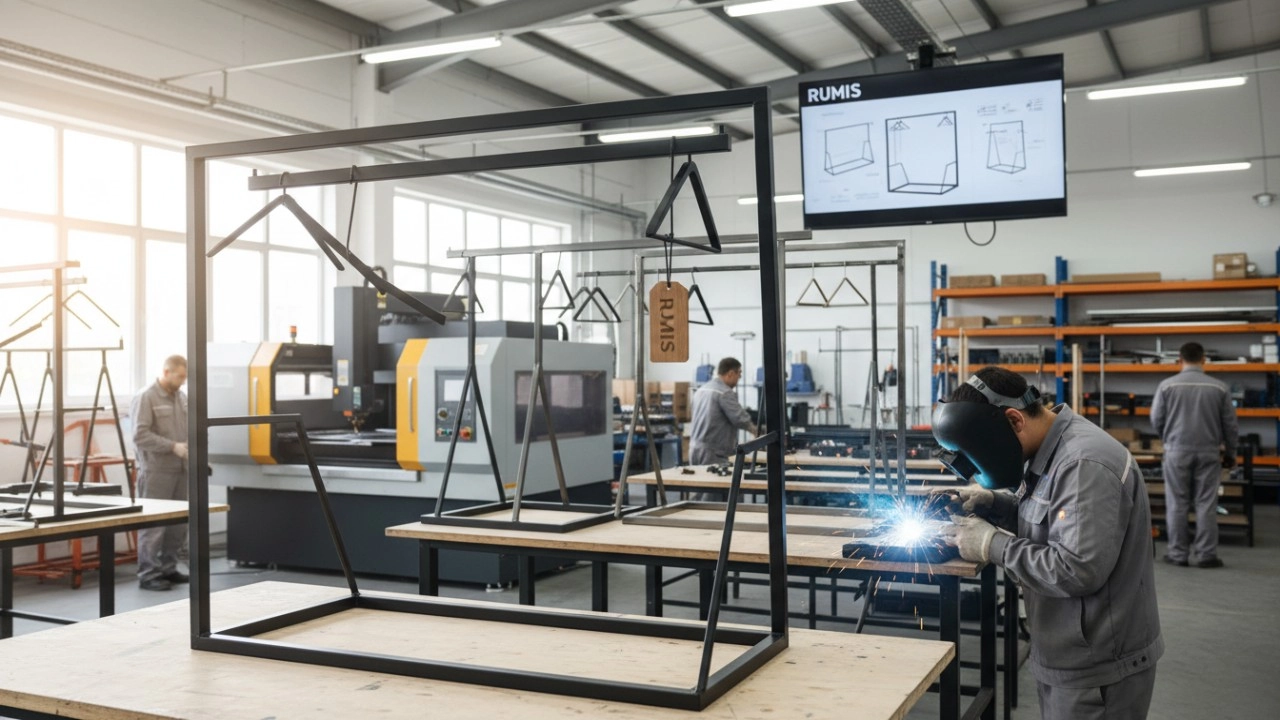
From Sketch to Floor: Demystifying the Custom Clothing Rack Manufacturing Process in 2026
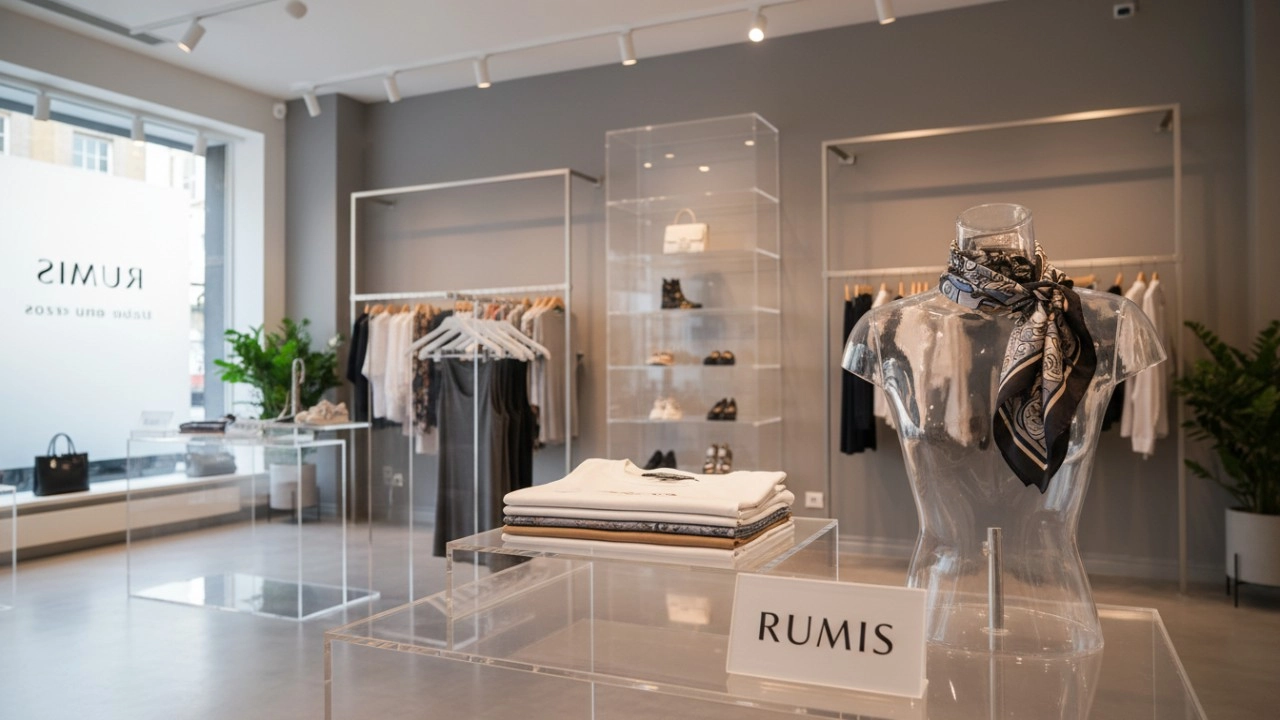
The Impact of Acrylic Retail Clothing Displays on Luxury Store Interiors (2026 Guide)
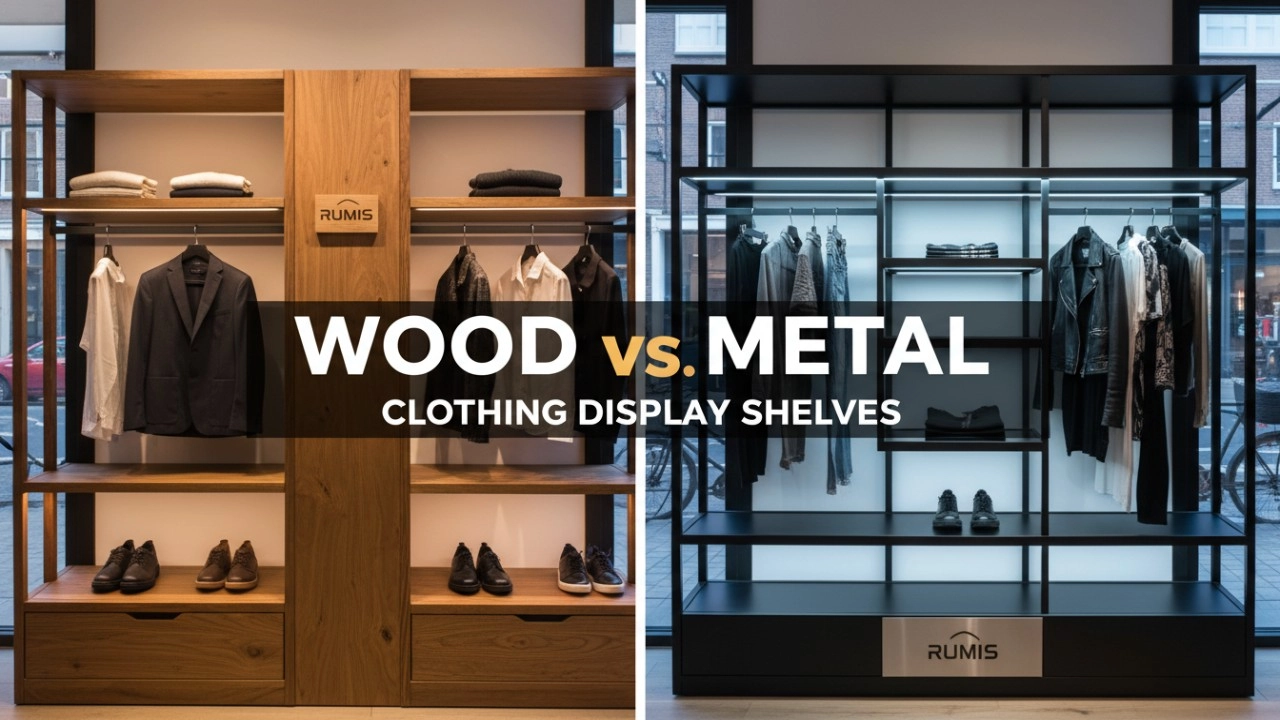
Wood vs. Metal: Material Selection Strategies for High-End Boutiques in 2026
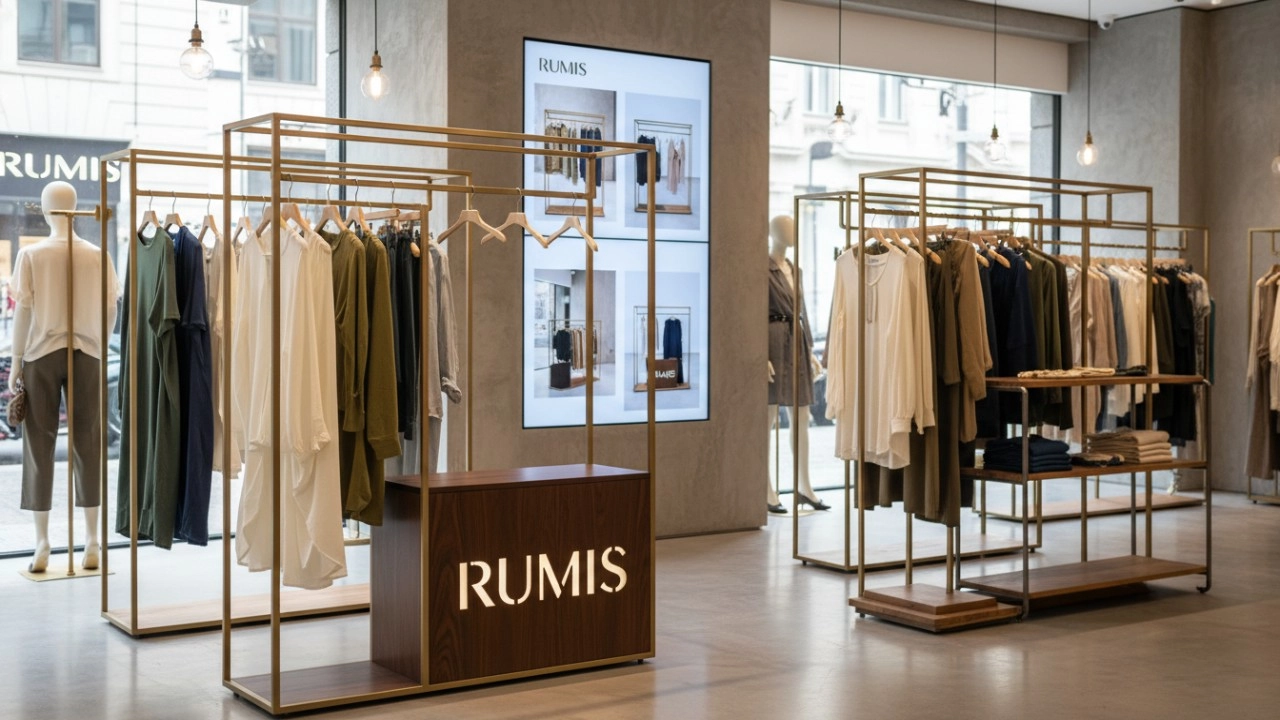
Elevating Store Aesthetics: The Anatomy of Custom Retail Clothing Display Racks (2026 Guide)
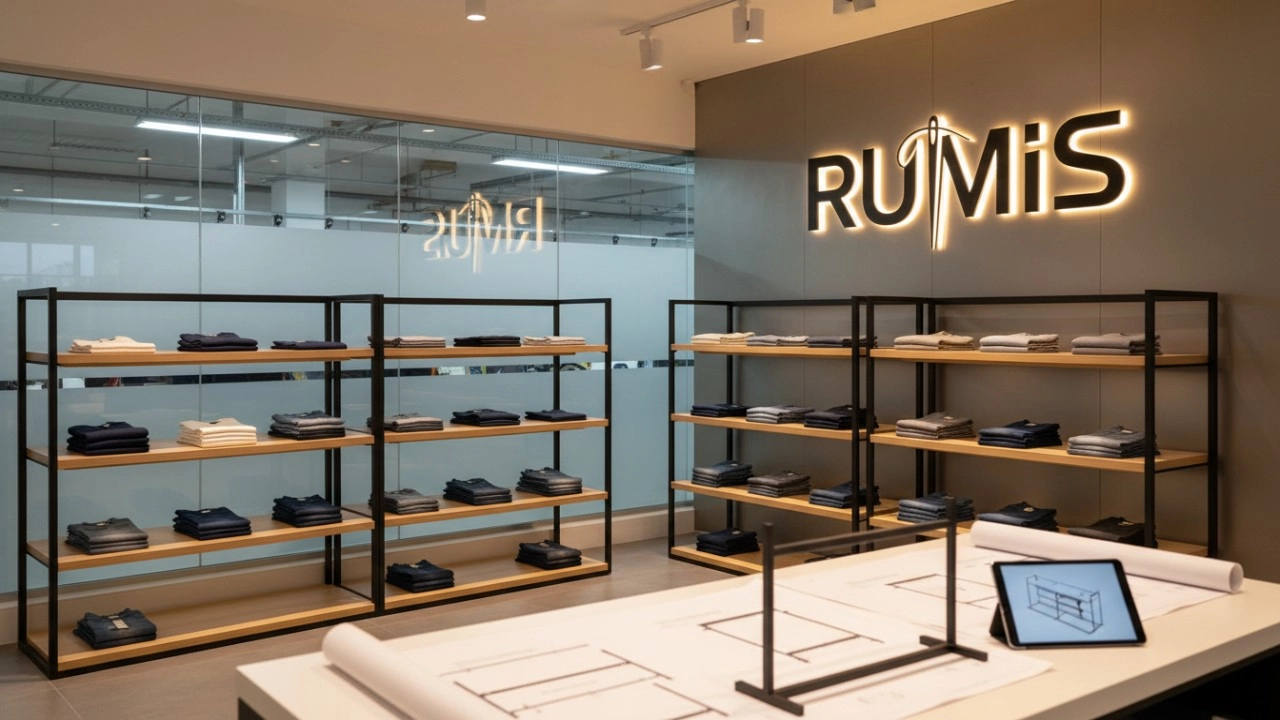
Finding a Wholesale Clothing Display Shelves Manufacturer: The Ultimate 2026 Buyer's Checklist
FAQ
How can I place an order for your display racks?
You can reach us by phone, email, or through the contact form on our website. After receiving your display racks order request, we will communicate all the details with you and provide you with a quotation.
Are the display racks compatible with different types of fashion merchandise?
Yes, our display racks are designed to accommodate a wide range of fashion merchandise, from clothing to accessories.
Can You Assist with Design Revisions for Commercial Clothing Rack Display?
Sure! As your design preferences evolve, we’re here to support revisions, ensuring complete satisfaction with our modular retail display system.
What types of customization options are available for your products?
We offer a wide range of customization options for your customized display clothes rack, including color matching, material selection, and finish processing. Inquire for more details.
Can your clothing shelves display wall rack be used for pop-up shops?
Absolutely. Our display racks are designed for flexibility and can be easily reconfigured to adapt to new layouts and displays.
You may also like
RYLOR
FLEEK
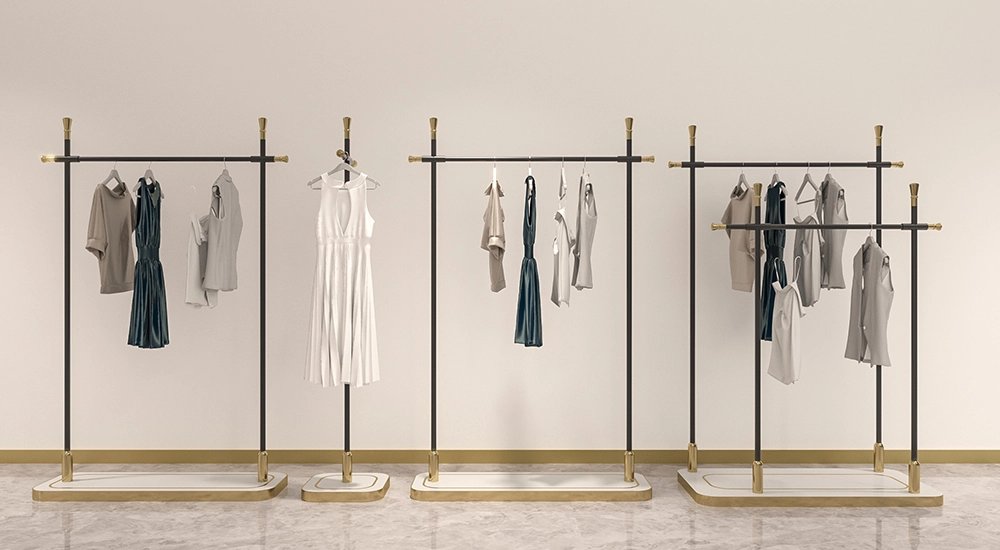
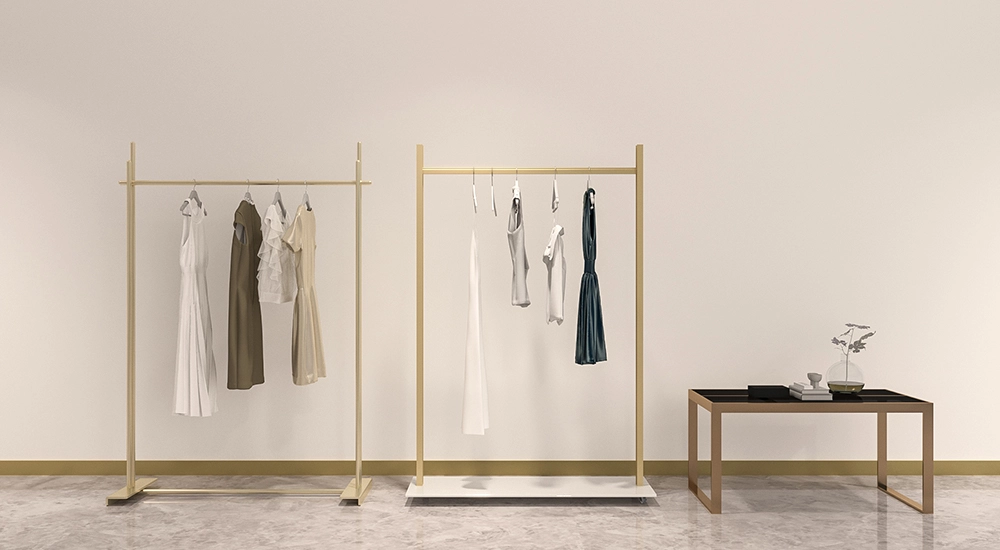
Elegant gold free-standing custom clothing display rack set with multi-function display table
VISO
STAX
Start your journey with us
Are you ready to improve your store operations with our display systems?
Get started today.
Copyright © 2024 RUMIS All Rights Reserved. Designed by Gooeyun

Facebook
LinkedIn
Instagram