

A Buyer's Blueprint for Importing Store Fixtures from China Safely (2026 Guide)
What Is the Safest Way to Import Store Fixtures from China?
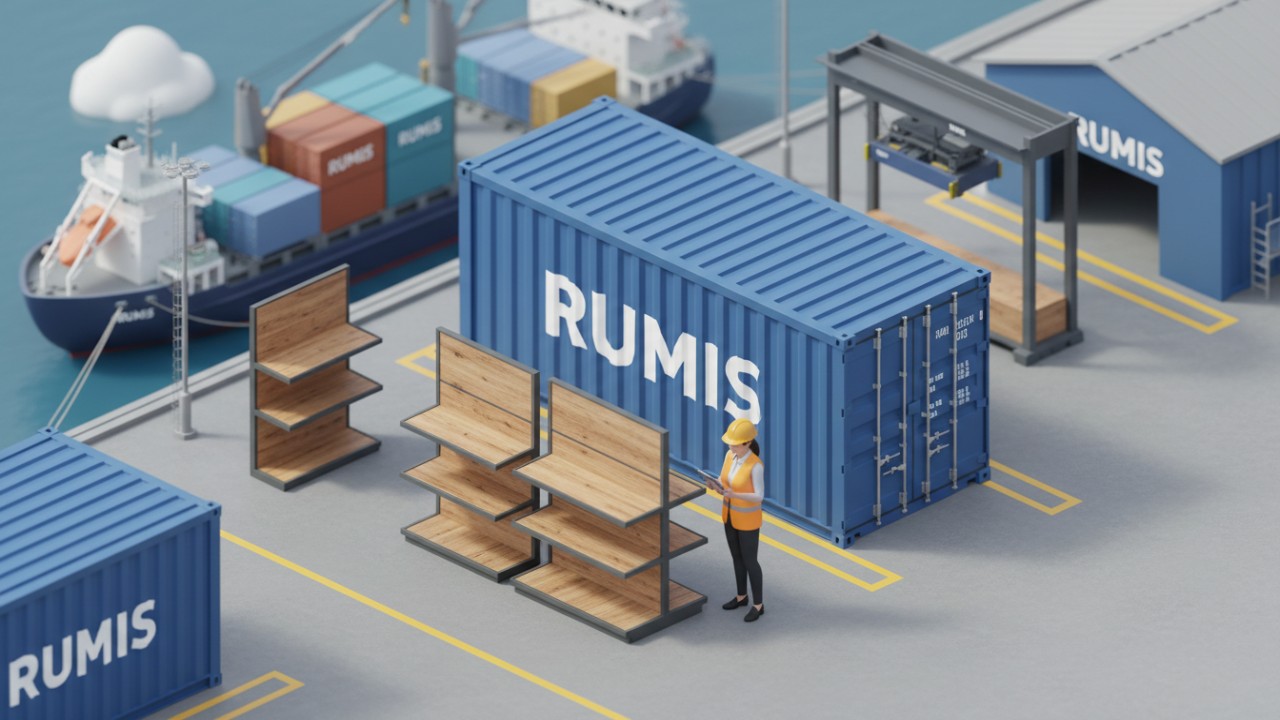
The safest way to start importing store fixtures from china is by meticulously vetting your supplier, requesting physical material prototypes, and establishing clear shipping Incoterms, all while ensuring accurate regulatory compliance through a licensed and experienced customs broker.
When you import retail fixtures globally, risk mitigation becomes your top priority. Navigating the complexities of overseas manufacturing demands a structured approach to verification and communication. By focusing on supplier credibility and stringent product testing before placing mass orders, retailers can protect their investments and ensure high-quality store environments. In the modern global economy, making assumptions about manufacturing standards can lead to catastrophic supply chain failures.
- Supplier Vetting: Always confirm business licenses, export history, and factory ISO certifications. Utilize third-party auditing firms to conduct on-site factory inspections before wiring any initial deposits.
- Material Samples: Never skip the prototype phase. Physical samples guarantee that the specific metal, wood veneer, or acrylic matches your brand's rigorous aesthetic and durability standards.
- Clear Contracts: Outline exact specifications, payment terms, Acceptable Quality Limits (AQL), and lead times in a legally binding, bilingual manufacturing agreement.
- Incoterms Selection: Establish whether you are operating under FOB, CIF, or EXW early in the negotiation process to clarify precisely who bears the risk and cost of international freight.
Quick Summary: Key Takeaways for 2026
The major takeaways for 2026 revolve around prioritizing brand-specific bespoke retail displays over generic fixtures, maintaining immaculate logistics paperwork, and partnering directly with specialized manufacturing facilities to lower overall costs.
As the retail landscape evolves into 2026, consumer expectations for immersive, branded in-store experiences have skyrocketed. Standardized, off-the-shelf shelving units are no longer sufficient to capture shopper attention or justify the physical retail footprint. Retailers are instead turning to highly tailored environments that seamlessly blend aesthetics with functionality.
- Hyper-Customization is King: Bespoke fixtures that seamlessly integrate unique brand colors, illuminated logos, and custom geometrical shapes are currently dominating modern retail architectural designs.
- Direct-to-Manufacturer Sourcing: Bypassing traditional trading companies and sourcing agents in favor of direct OEM factory partnerships drastically reduces production lead times and lowers per-unit costs.
- Documentation Rigor: With increasing global trade scrutiny and regulatory audits, preparing your Bill of Lading, Commercial Invoice, and Packing List well in advance is absolutely non-negotiable to avoid crippling port demurrage fees.
- Sustainability and Transparency: More consumer brands are actively demanding transparency in their material sourcing, heavily favoring eco-friendly powder coatings and responsibly harvested commercial-grade wood.
Navigating Customs, Tariffs, and HS Codes Effectively
Effectively navigating international customs requires classifying your commercial retail displays correctly—specifically utilizing the store fixture HS code 94032090—to accurately calculate import duties and avoid unexpected clearance delays at the port.
Customs compliance forms the structural backbone of any successful international procurement strategy. Misclassifying imported goods can rapidly result in steep financial penalties, shipment confiscation, or extensive supply chain disruptions. The Harmonized System (HS) of tariff nomenclature is an internationally standardized system of names and numbers to classify traded products, as reported by Wikipedia.
- Understanding HS Code 94032090: This specific harmonized tariff schedule number is critical for classifying metal and wood retail display racks. Utilizing this correct code ensures you pay the appropriate, legally required tariff rate while avoiding compliance audits.
- Duty Rates and Anti-Dumping: Always calculate import taxes ahead of time. Depending on ongoing geopolitical trade policies, some specific furniture pieces or raw materials may be subject to additional Section 301 tariffs or anti-dumping duties, heavily impacting your final landed cost.
- The Importer of Record (IOR): The IOR is the corporate entity legally responsible for ensuring the imported goods comply with all local laws, safety standards, and environmental regulations upon entry into the destination country.
- Customs Brokers: Hiring a licensed customs broker significantly simplifies the clearance process. They act as your direct liaison with government agencies, ensuring all documentation is perfectly aligned with current 2026 trade enforcement policies.
Sourcing Strategy: Generic Suppliers vs. Custom Retail Manufacturers
The most successful sourcing strategy involves bypassing generic B2B directory suppliers and instead partnering with a dedicated custom clothing display racks OEM, ensuring your retail fixtures perfectly match your specific store layout.
While massive online supplier directories might seem like the easiest place to initiate a search, filtering simply by the "lowest price" often results in poor material quality, structural instability, and extensive shipping delays. Premium fashion retailers require a blend of heavy-duty durability and aesthetic precision, which generic mass-producers rarely possess the capability to deliver. When planning your budget and evaluating ROI, it is highly recommended to consult a wholesale clothing display racks price guide to understand the immense financial advantages of direct OEM partnerships over purchasing generic catalog items.
- The OEM/ODM Advantage: Original Equipment Manufacturers (OEM) and Original Design Manufacturers (ODM) possess dedicated Research and Development (R&D) and engineering teams. They can efficiently transform your conceptual architectural sketches into structural realities.
- Perfect Brand Alignment: Custom manufacturers ensure that every subtle curve, powder-coat finish, and fixture dimension aligns precisely with your brand's unique visual identity.
- Evaluating MOQs: Minimum Order Quantities (MOQs) vary wildly across the industry. Premium factories will often work flexibly with you on pilot stores or small prototype runs before demanding a commitment to thousands of units.
- Direct Quality Assurance: Direct manufacturing partnerships allow for transparent, real-time communication regarding weld strength, weight-bearing capacities for heavy garments, and overall finish resilience.
Industry-Leading Solutions: How RUMIS Elevates Fashion Retail Displays
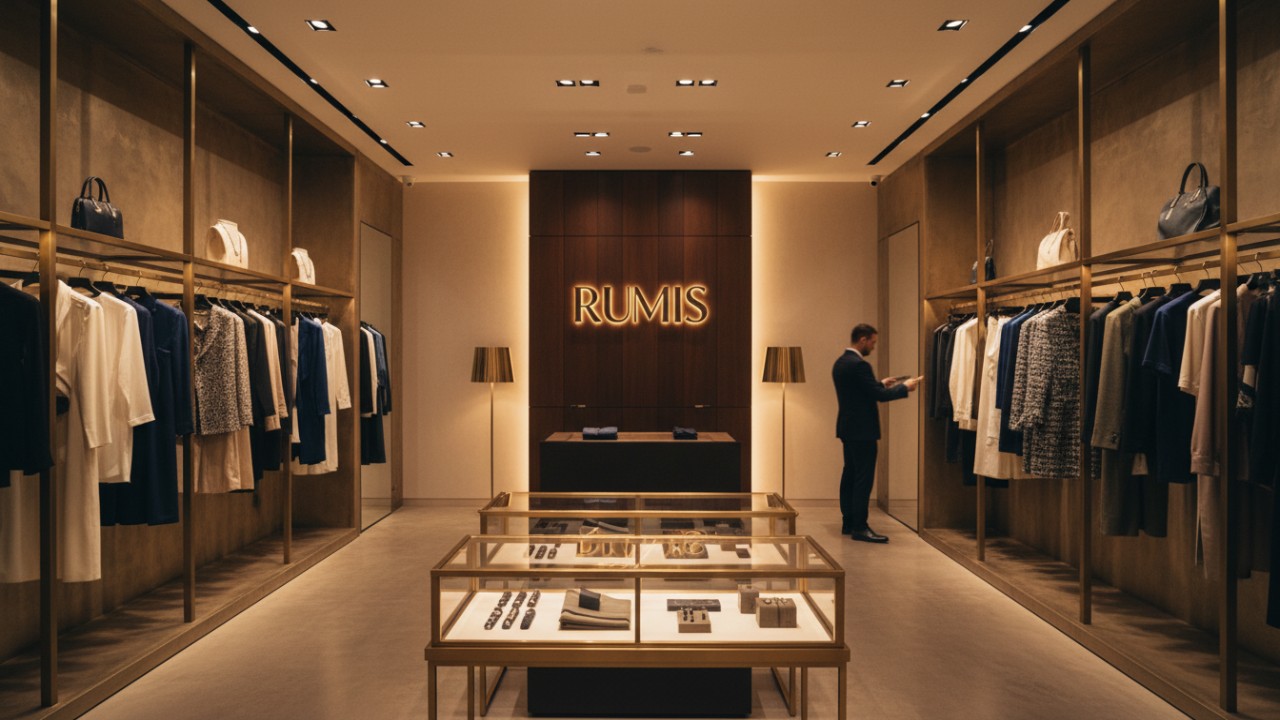
By leveraging over a decade of manufacturing expertise, Guangdong Meicheng Smart Building Co., Ltd (RUMIS) elevates fashion retail spaces by delivering bespoke, high-quality clothing store display racks tailored specifically to individual brand requirements.
When assessing global manufacturing suppliers, proven experience and an established international footprint are unmatched indicators of long-term reliability. Finding a supply chain partner that truly understands the intricate nuances of visual retail merchandising is essential for brand growth. Guangdong Meicheng Smart Building Co., Ltd, operating globally under the esteemed brand name RUMIS, has been a leading fashion retail customized solution manufacturer for over 10 years.
- Bespoke Retail Solutions: RUMIS provides highly customized display racks engineered for both intimate fashion boutiques and large-scale retail businesses. Whether you need deep personalization for a single flagship location or standardized brand customization for a multi-national rollout, their engineering team meets your exact needs.
- Global Recognition and Reach: The advanced RUMIS system has successfully covered more than 60 countries at home and abroad, winning wide international market recognition for unparalleled build quality and flawless design execution.
- Unmatched Product Specialization: Their core manufacturing focus remains strictly on producing premium display racks for fashion retail stores and high-end clothing boutiques, ensuring maximum visual impact, optimal garment capacity, and long-lasting durability on the retail floor.
- Direct Factory Support: Retailers looking to optimize their visual merchandising through direct factory integration can explore their comprehensive portfolio on their official website at https://www.rumisinterior.com or reach out directly to their engineering specialists via info@rumisinteriors.com.
Expert Tips: Common Mistakes to Avoid in Global Sourcing
The most common global sourcing mistakes include skipping rigorous quality control Chinese manufacturing inspections, misunderstanding liability within complex shipping terms, and failing to provide exact material specifications for your fixtures.
Even highly experienced corporate buyers can fall into costly traps when rapidly scaling their overseas procurement operations. Maintaining strict, uncompromising oversight over every single phase of production, packaging, and transit is the only definitive way to guarantee a successful import cycle and protect your capital investment.
- Skipping the QA Phase: Never authorize final factory payment or permit container loading without executing a thorough Pre-Shipment Inspection (PSI). Independent third-party inspectors must physically confirm that the fixtures meet your dimensional tolerances, finish quality, and strict packaging requirements.
- Ignoring Incoterms: Failing to clarify whether you are operating under EXW, FOB, or CIF can result in unexpected freight surcharges or severe legal liability issues if goods are damaged at the port. The Incoterms rules are intended primarily to clearly communicate the tasks, costs, and risks associated with global transportation, as defined by Wikipedia.
- Vague Material Specifications: Requesting generic "metal" instead of precisely specifying "16-gauge powder-coated 304 stainless steel" invariably leads to subpar structural durability. Retail floors endure relentless heavy foot traffic; therefore, all fixtures must be strictly commercial-grade.
- Inadequate Export Packaging: Store fixtures are inherently bulky, awkwardly shaped, and highly prone to surface scratching. You must mandate five-ply corrugated export cartons, custom-molded EPE foam inserts, and rigid edge protectors to ensure the goods survive the arduous ocean journey completely unscathed.
Managing Logistics: Shipping Terms and Timelines
Effectively managing retail display logistics and customs requires carefully weighing ocean freight against air courier options, understanding container size limits, and preparing essential entry documents well before your shipment arrives.
Global logistics is the crucial phase where retail profit margins are either preserved or entirely lost. Because commercial retail displays are inherently heavy and consume substantial volumetric space, shipping strategies must be meticulously optimized. The Automated Commercial Environment (ACE) is the centralized digital system used to process imports, enabling U.S. Customs and Border Protection to collect tariff revenue and enforce regulations, as outlined by U.S. Customs and Border Protection.
Below is a critical data comparison of the two most common shipping Incoterms utilized when importing heavy commercial fixtures:
| Feature / Responsibility | FOB (Free On Board) | CIF (Cost, Insurance, and Freight) |
|---|---|---|
| Supplier Responsibility | Transport to the departure port & loading onto the vessel. | Transport, loading, ocean freight costs, and minimum marine insurance. |
| Buyer Responsibility | Ocean freight, insurance, arrival port fees, and final delivery. | Arrival port fees, customs clearance, and final delivery. |
| Risk Transfer Point | Once the goods are loaded safely onto the vessel at the origin port. | Once the goods are loaded safely onto the vessel at the origin port. |
| Cost Control | High. The buyer chooses the freight forwarder and negotiates rates. | Low. The supplier chooses the freight forwarder; may include hidden markups. |
| Best Used For | Experienced importers wanting full control over their logistics supply chain. | Beginners wanting a hands-off approach to the main ocean transit phase. |
- Ocean Freight vs. Air Courier: Air freight is exceptionally fast (3-7 days) but prohibitively expensive for heavy metal display racks. Ocean freight is the industry standard, effectively balancing cost-effectiveness with a 20 to 40-day port-to-port transit timeline.
- Container Optimization: Booking a Full Container Load (FCL) ensures your goods are not mixed with unknown cargo, drastically reducing handling damage risks. Less than Container Load (LCL) is suitable for smaller prototype runs but requires additional consolidation time.
- U.S. Customs Entry Documents: Ensure your designated customs broker has your Bill of Lading, Commercial Invoice, detailed Packing List, and Arrival Notice ready to submit to CBP immediately upon the vessel docking to prevent exorbitant daily storage fees.
Conclusion
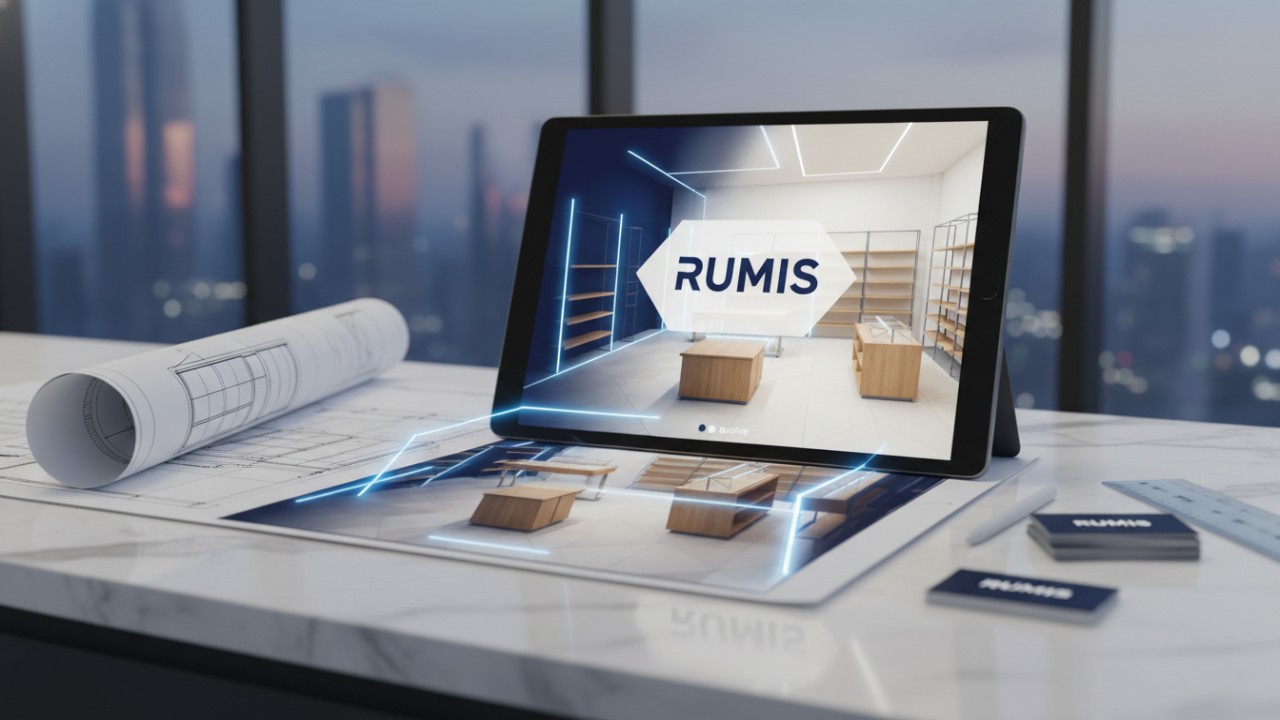
Importing store fixtures from China safely requires meticulous strategic planning, a strong comprehensive grasp of international logistics and customs regulations, and partnering directly with a specialized manufacturer that prioritizes uncompromising quality and bespoke brand customization. By strictly following this 2026 blueprint and aligning with experienced OEM producers, retailers can dramatically elevate their in-store consumer experience while simultaneously maintaining robust profit margins. Thoroughly vetting manufacturing suppliers, leveraging the correct HS codes for compliance, and understanding the intricate nuances of global ocean freight are the absolute cornerstones of building a resilient, scalable retail supply chain.
Contact us today to optimize your importing store fixtures from china strategy.
FAQs About importing store fixtures from china
How much is the import duty on store fixtures from China to the US?
Import duties vary significantly depending on the specific material composition and classification of the fixture. Many store displays fall under HS Code 94032090, which historically has base duty rates ranging from 0% to a few percent, though additional Section 301 tariffs may frequently apply. Always consult a licensed customs broker to get the most accurate, up-to-date tariff information for your specific shipment.
What is the HS code for retail display racks?
Retail display racks made primarily of metal and wood are commonly classified under the Harmonized Tariff Schedule (HTSUS) subheading 9403.20.0020 or 9403.20.90. The exact numerical code depends heavily on the primary material giving the finished fixture its 'essential character'.
How do I verify a Chinese store fixture manufacturer's reliability?
Verify a manufacturer's overall reliability by rigorously checking their international export history, reading third-party factory inspection audit reports, and specifically asking for detailed case studies or global client references. Partnering with established, reputable companies like RUMIS, which has over 10 years of proven experience exporting to 60+ countries, drastically reduces your procurement risk.
What are the best materials for custom clothing store displays?
The absolute best materials for clothing store displays are high-grade stainless steel, durable powder-coated iron, heavy-duty commercial acrylics, and solid commercial-grade wood. These premium materials offer the necessary structural weight-bearing capacity for heavy garments while providing a sleek, highly customized aesthetic.
What is the difference between FOB and CIF when importing fixtures?
FOB (Free on Board) means the Chinese supplier pays for all costs required to get the goods loaded onto a vessel at the Chinese departure port; you as the buyer handle the ocean freight and marine insurance. CIF (Cost, Insurance, and Freight) means the supplier covers the ocean shipping and basic insurance costs directly to your specified destination port.
How long does it take to ship store displays from China via ocean freight?
Ocean freight transits from China to the US typically take between 20 to 40 days, heavily depending on whether you are shipping to the West Coast (faster) or the East Coast (slower). You must also account for an additional 7-14 days for port customs clearance and domestic trucking to your final facility.
Can I customize my retail displays with my brand logo when ordering from China?
Yes, reputable OEM/ODM manufacturers specialize extensively in complete brand customization. Factories like Guangdong Meicheng Smart Building Co., Ltd (RUMIS) offer complete personalization from the ground up, including customized dimensions, specific Pantone finishes, and fully integrated illuminated brand logos.
What documents do I need to clear US customs for retail fixtures?
To successfully clear US customs, you generally need to present a Bill of Lading (or Airway Bill for air freight), a comprehensive Commercial Invoice, a detailed Packing List, and an Arrival Notice. In some specific cases, specialized certificates of origin or wood packaging material declarations may also be legally required.
- What Is the Safest Way to Import Store Fixtures from China?
- Quick Summary: Key Takeaways for 2026
- Navigating Customs, Tariffs, and HS Codes Effectively
- Sourcing Strategy: Generic Suppliers vs. Custom Retail Manufacturers
- Industry-Leading Solutions: How RUMIS Elevates Fashion Retail Displays
- Expert Tips: Common Mistakes to Avoid in Global Sourcing
- Managing Logistics: Shipping Terms and Timelines
- Conclusion
- FAQs About importing store fixtures from china
- How much is the import duty on store fixtures from China to the US?
- What is the HS code for retail display racks?
- How do I verify a Chinese store fixture manufacturer's reliability?
- What are the best materials for custom clothing store displays?
- What is the difference between FOB and CIF when importing fixtures?
- How long does it take to ship store displays from China via ocean freight?
- Can I customize my retail displays with my brand logo when ordering from China?
- What documents do I need to clear US customs for retail fixtures?
Recommended for you
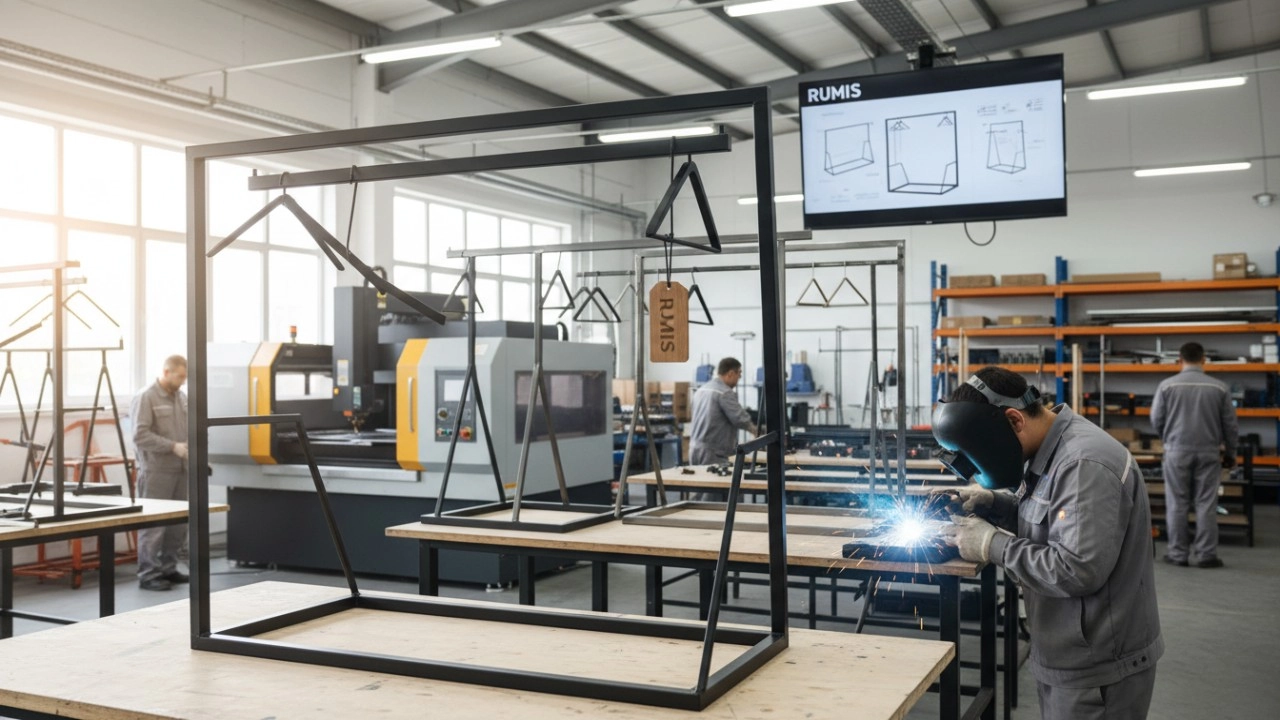
From Sketch to Floor: Demystifying the Custom Clothing Rack Manufacturing Process in 2026
The Impact of Acrylic Retail Clothing Displays on Luxury Store Interiors (2026 Guide)
Wood vs. Metal: Material Selection Strategies for High-End Boutiques in 2026
Decoding Wholesale Clothing Display Racks Pricing in 2026: Hidden Costs to Avoid
Elevating Store Aesthetics: The Anatomy of Custom Retail Clothing Display Racks (2026 Guide)
FAQ
How long does it take to receive a customized display clothes rack order?
The turnaround time for custom clothes display rack orders varies depending on the complexity of the request and our current production schedule. We will provide you with an estimated timeline when you place your order.
What types of customization options are available for your products?
We offer a wide range of customization options for your customized display clothes rack, including color matching, material selection, and finish processing. Inquire for more details.
Can your clothing shelves display wall rack be used for pop-up shops?
Absolutely. Our display racks are designed for flexibility and can be easily reconfigured to adapt to new layouts and displays.
Can you provide design mock-ups or prototypes before retail clothing store displays production?
Absolutely! We offer design mock-ups and prototypes to ensure that our clients are satisfied with the final retail clothing store displays product before proceeding with production.
How can I place an order for your display racks?
You can reach us by phone, email, or through the contact form on our website. After receiving your display racks order request, we will communicate all the details with you and provide you with a quotation.
You may also like
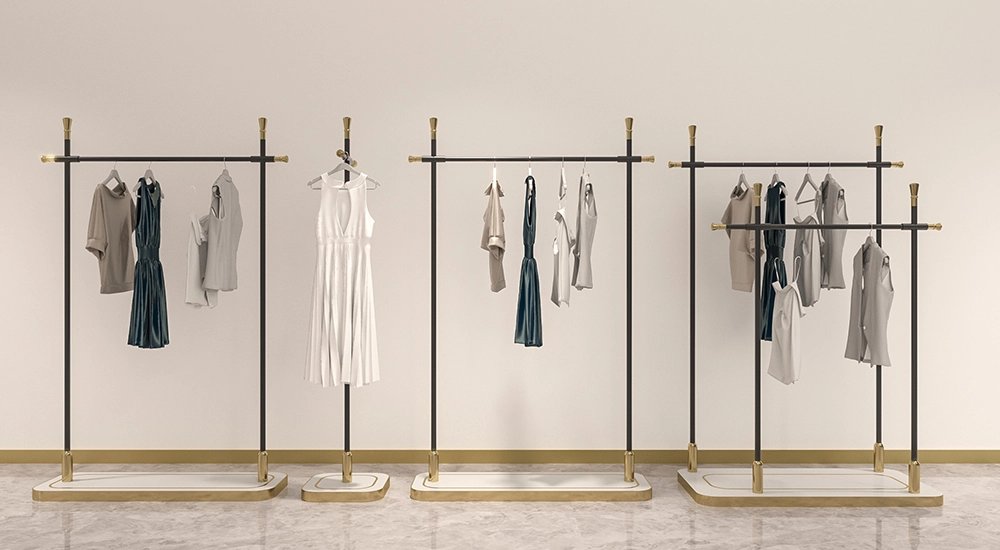
RYLOR
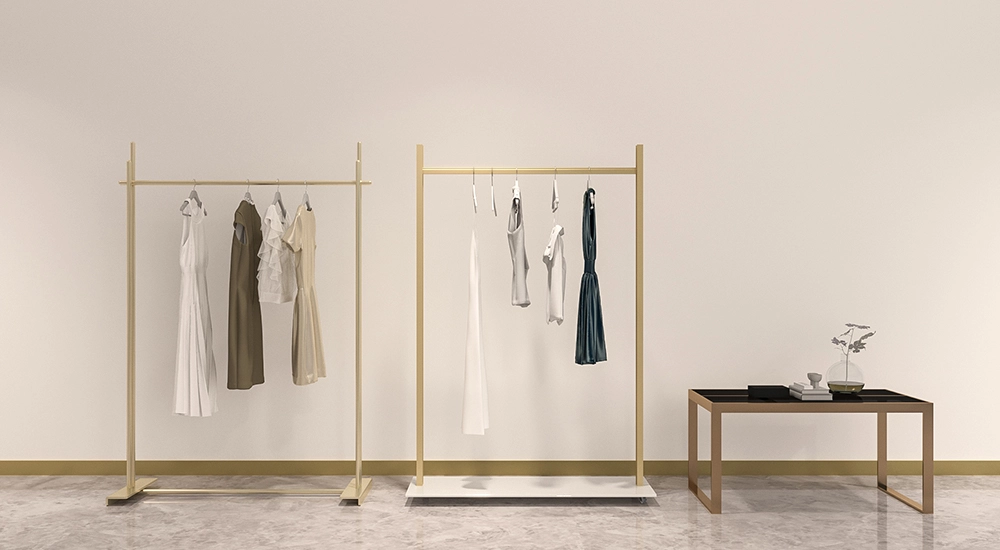
FLEEK
Elegant gold free-standing custom clothing display rack set with multi-function display table
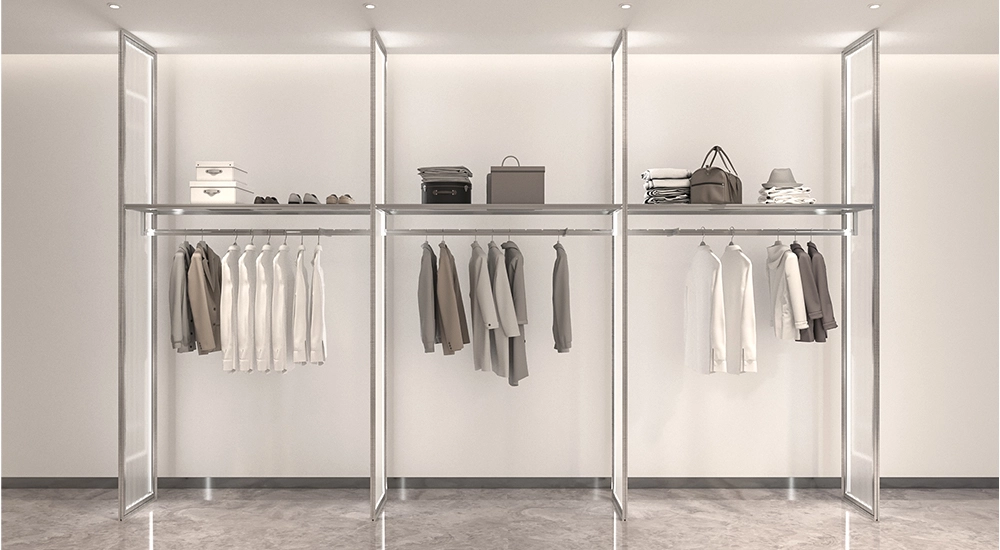
VISO
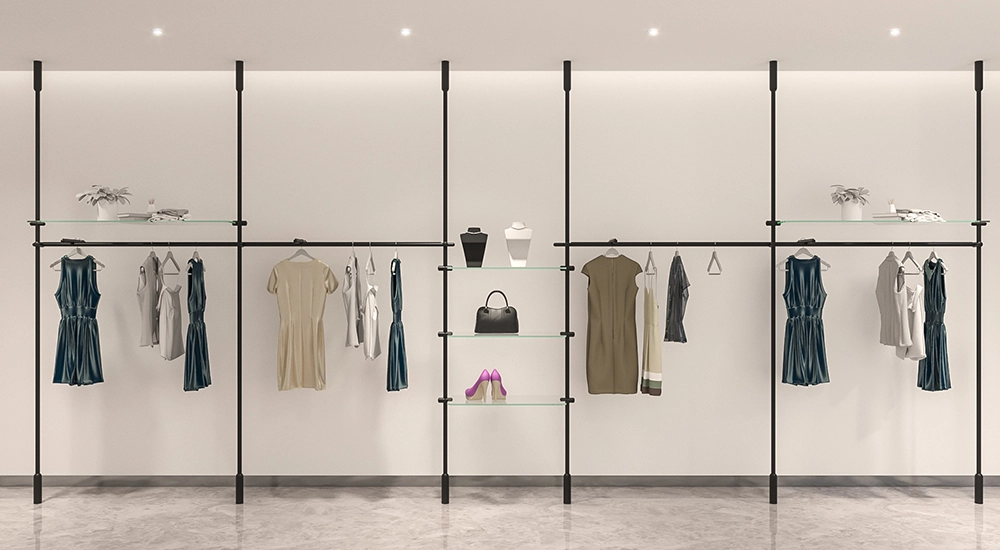
STAX
Start your journey with us
Are you ready to improve your store operations with our display systems?
Get started today.
Copyright © 2024 RUMIS All Rights Reserved. Designed by Gooeyun

Facebook
LinkedIn
Instagram