

Freestanding vs. Wall-Mounted: Optimizing Customer Traffic Flow with the Right Racks in 2026
In the competitive fashion retail landscape of 2026, physical stores must provide an impeccable, frictionless shopping experience. When evaluating freestanding vs wall mounted clothing racks, store owners are not just buying metal fixtures; they are fundamentally designing the customer journey. The correct balance of racks directly influences how shoppers navigate the aisles, engage with the merchandise, and ultimately complete their purchases. This comprehensive guide explores the structural nuances, aesthetic benefits, and financial impact of choosing the right retail display fixtures for your commercial space.
What Are Freestanding vs Wall-Mounted Clothing Racks?
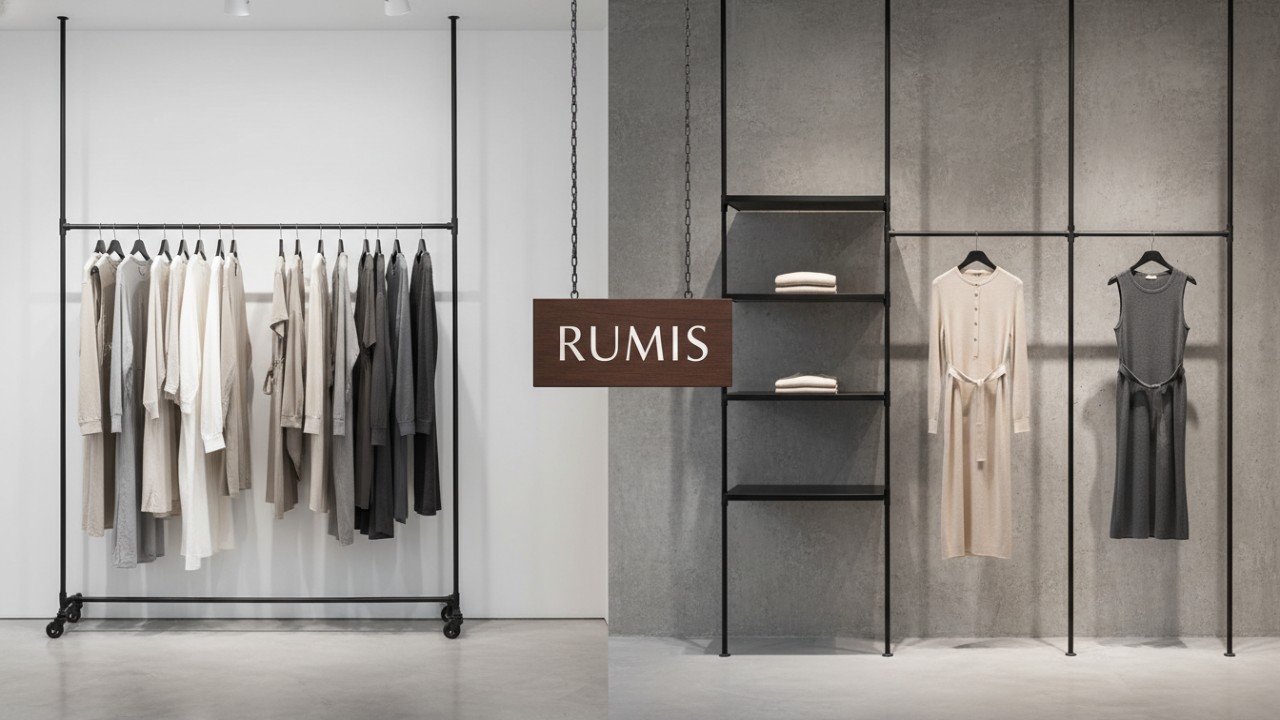
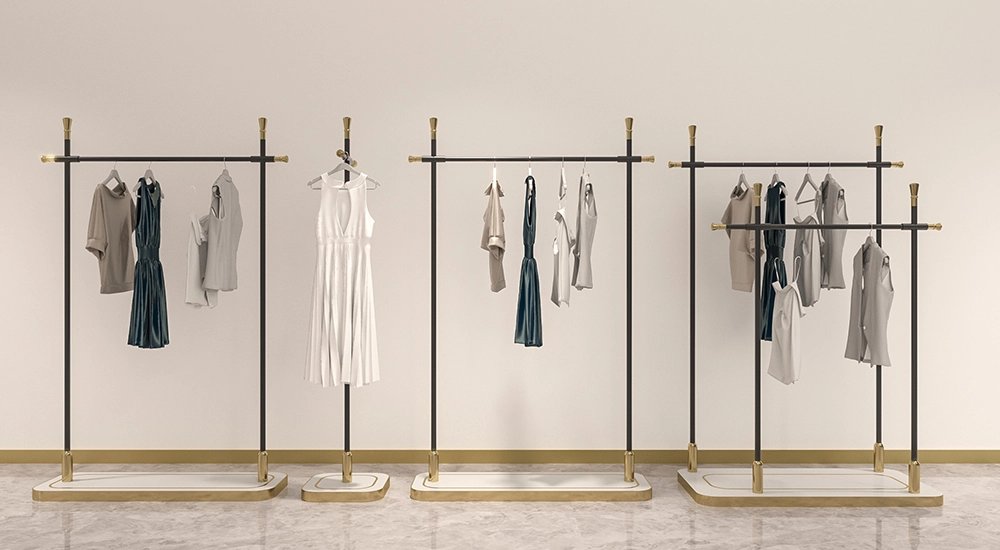
Freestanding vs wall mounted clothing racks refer to the two foundational fixture types used to organize retail apparel. Freestanding racks are mobile, floor-based units that guide customer pathways, while wall-mounted racks are permanently fixed to vertical surfaces for high-capacity perimeter storage.
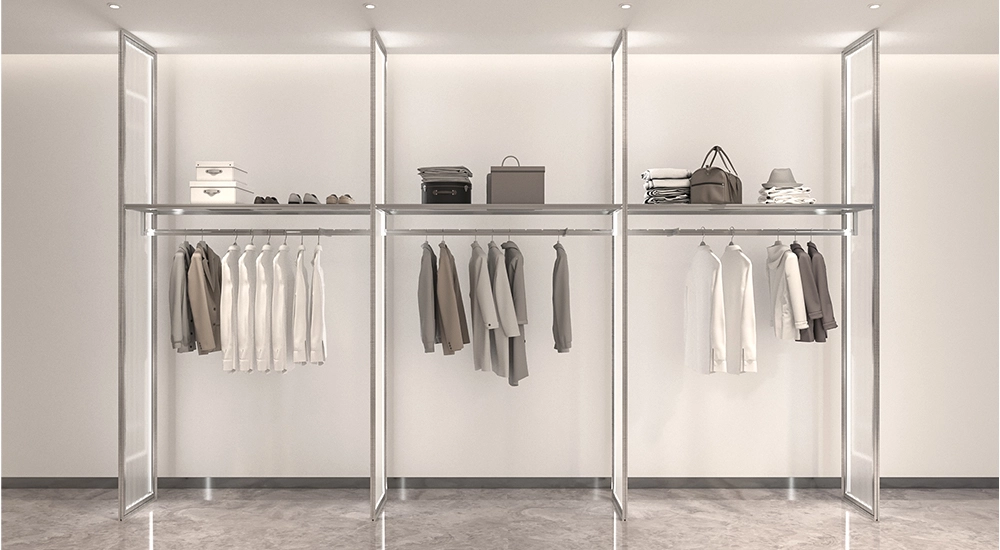
Understanding how to deploy these visual merchandising racks requires a deep dive into the "how" and "why" of store design. Freestanding systems are built with independent bases, allowing them to stand anywhere on the sales floor. Wall-mounted systems rely on architectural support, using brackets, rails, or outriggers attached to wall studs.
Retailers leverage these systems to achieve specific layout goals:
- Dynamic Flexibility: Freestanding units can be wheeled into new configurations overnight to highlight seasonal fashion collections.
- Footprint Maximization: Wall-mounted racks reclaim central floor space by shifting heavy inventory to the perimeter.
- Visual Hierarchy: Combining both types prevents visual fatigue, allowing customers to process different product categories at varying heights.
Quick Summary: Key Takeaways for Retailers
The key takeaway for retailers is that freestanding units act as navigational islands to control floor traffic, whereas wall-mounted systems clear center aisles to display heavy inventory, creating a balanced, high-converting store layout in 2026.
Modern retailers must view their racks as silent sales associates. If a customer feels crowded, they will leave. If the store feels too empty, the brand loses its authoritative appeal. By strategically analyzing the unique benefits of each system, management can build a layout that maximizes store layout optimization.
Key strategies include:
- Foot traffic control: Utilize freestanding gondolas and 4-way racks to create intentional "speed bumps" that slow down rushing shoppers.
- Customization is critical: Mixing bespoke wall systems with personalized floor units prevents a monotonous "warehouse" feel.
- Safety and structure: Floor racks demand heavily weighted bases to eliminate tipping hazards, whereas wall units strictly require professional stud-mounted installation.
- Scalable adaptation: Partnering with expert manufacturers like RUMIS ensures your chosen fixtures can safely adapt as your product lines evolve.
Analyzing the Pros and Cons of Freestanding Garment Racks
Freestanding garment racks are highly flexible retail display fixtures that allow for rapid layout changes and double-sided product visibility. However, they consume premium central floor space and present tipping hazards if not engineered with a proper, weighted center of gravity.
Because they are not tethered to the building's architecture, freestanding racks provide the ultimate freedom in visual merchandising. Store managers can pivot from a densely packed winter clearance layout to an open, airy spring collection showcase in a matter of hours.
Despite their versatility, they come with distinct structural and spatial considerations:
- Pros:
- Exceptional Mobility: Outfitted with heavy-duty casters, they allow for rapid spatial transformations and temporary pop-up sections.
- 360-Degree Visibility: Customers can browse garments from all sides, increasing the chance of impulse buys.
- Zero Structural Damage: They require no drilling, protecting your store's drywall and preserving leasing agreements.
- Cons:
- Space Consumption: They eat into valuable walkway space, potentially causing bottlenecks.
- Tipping Risks: If loaded unevenly, lightweight models can easily tip over during high-traffic shopping rushes.
- Best Use Cases: Center aisle displays, engaging entrance focal points, and boutique centerpieces that draw customers deeper into the store environment.
Fixture Comparison Table
| Feature | Freestanding Racks | Wall-Mounted Racks |
|---|---|---|
| Mobility & Flexibility | High (Easily moved/reconfigured) | Low (Fixed permanent installation) |
| Store Space Usage | Consumes central floor space | Maximizes perimeter space |
| Average Weight Capacity | Moderate (75-150 lbs) | High (200+ lbs securely studded) |
| Traffic Flow Impact | Acts as navigational islands | Opens up breathable walkways |
| Installation Requirements | Simple assembly, no drilling | Professional stud finding & mounting |
Advantages and Limitations of Wall-Mounted Clothing Racks
Wall-mounted clothing racks deliver superior footprint efficiency and massive load capacity by attaching directly to perimeter walls. Their main limitation is permanence, as they restrict daily layout alterations and require professional structural stud mounting to prevent costly drywall damage.
By anchoring directly into the building's skeleton, these robust visual merchandising racks offer the highest level of stability. They are the backbone of high-volume retail, allowing brands to display full size-runs without cluttering the customer journey. For a deeper dive into structural requirements and installation techniques, we highly recommend reading our comprehensive commercial wall mounted clothing racks guide.
Retailers must weigh the following factors before installing permanent fixtures:
- Advantages:
- Space-Saving Efficiency: Pushing inventory to the edges creates a clean, minimalist, and premium store aesthetic.
- Massive Weight Capacity: Ideal for heavy winter garments, denim, and leather jackets.
- Streamlined Sightlines: By keeping the floor clear, security cameras and floor staff maintain unobstructed views of the entire store.
- Limitations:
- Rigid Placement: Once installed, moving them requires patching, painting, and redrilling.
- Installation Complexity: Demands precise measurements and professional tools to locate and secure into wooden or metal studs.
- Best Use Cases: Perimeter inventory storage, high-volume size runs, and framing luxury collections along the store's outer boundaries.
Competitor Gap: 2026 Trends & ROI in Retail Layout Optimization
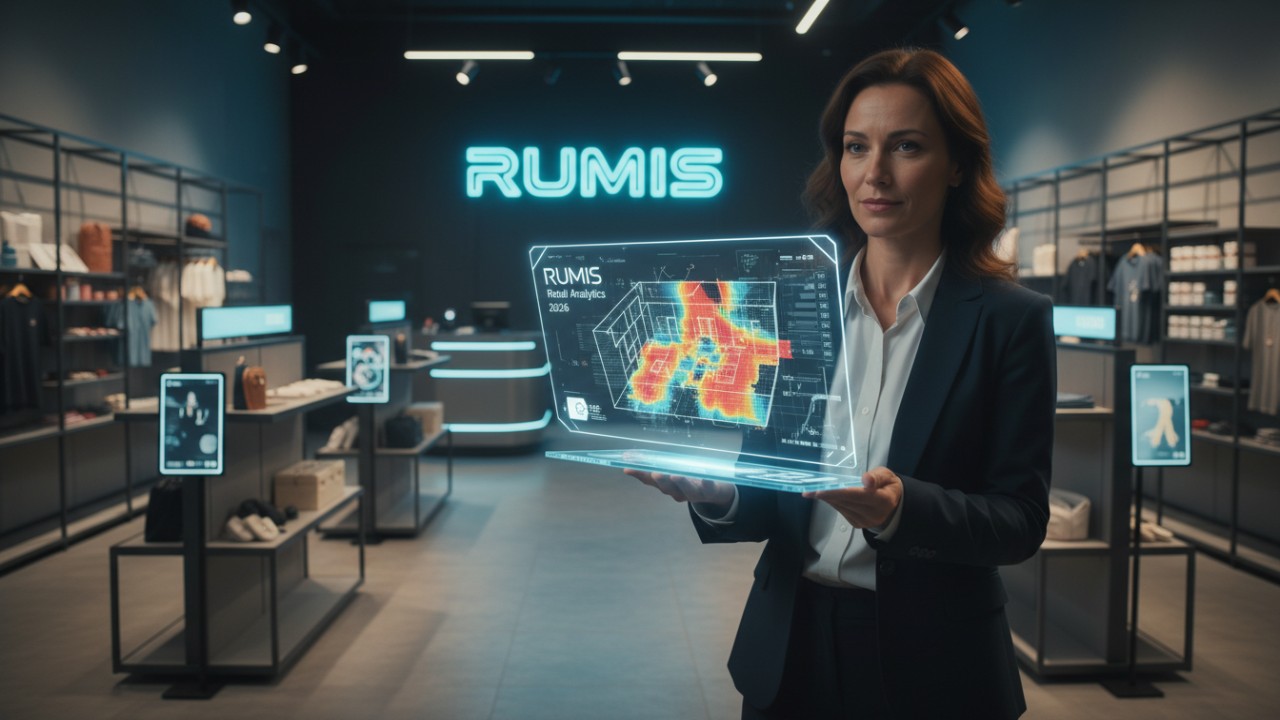
Store layout optimization in 2026 is strictly data-driven, focusing on how strategic fixture placement influences customer dwell time and average order value. Blending modular wall systems with bespoke freestanding islands maximizes both inventory density and the premium shopping experience.
Many standard design guides fail because they only focus on aesthetics, entirely missing the financial impact of floor plans. The placement of your customized clothing displays directly correlates with your bottom line. Strategic store layouts designed to optimize traffic patterns can improve sales by 20 to 40 percent, as reported by MRI Software.
To generate the highest Return on Investment (ROI) in 2026, retailers must adapt to the following trends:
- Data-Driven Positioning: Utilizing foot-traffic heat maps to place high-margin items on freestanding racks in the busiest zones.
- Experiential Shopping Zones: Effective visual merchandising optimizes the presentation of products using sensory inputs and spatial design to attract, engage, and motivate customers toward a purchase, as reported by Wikipedia.
- Calculating ROI Density: You must maximize inventory along the perimeter walls to free up the central floor, preventing aisle crowding while enhancing the luxurious feel of the brand.
Expert Tips & Common Mistakes in Store Fixture Planning
A critical mistake in fixture planning is overcrowding the sales floor with too many freestanding racks, creating claustrophobic blind spots. Conversely, relying on basic drywall anchors instead of structural studs often leads to catastrophic failures under heavy winter inventory loads.
Understanding the limits of commercial garment rack weight capacity is non-negotiable for retail safety. A heavy-duty steel pipe hanging bar can securely hold over 200 pounds when properly anchored, whereas standard lightweight racks fail under commercial loads, as reported by Simplified Building.
To ensure a safe and profitable environment, follow these professional guidelines:
- Common Mistake - The Maze Effect: Placing too many floor fixtures too closely together creates a frustrating maze, diminishing the customer experience and increasing theft risks.
- Common Mistake - Overloading Drywall: Never hang commercial inventory on a rack supported only by plastic drywall anchors. The repetitive pulling and pushing of hangers will rip the fixture from the wall.
- Expert Tip - The 70/30 Ratio: Utilize a strategic 70/30 ratio of wall-mounted to freestanding racks. This perfectly balances high-capacity inventory storage on the walls with guided, breathable customer traffic flow in the center.
Industry Leading Solutions: How RUMIS Transforms Retail Spaces
For over a decade, Guangdong Meicheng Smart Building Co., Ltd (RUMIS) has engineered customized clothing displays for fashion retailers across more than 60 countries. We manufacture bespoke commercial rack systems that seamlessly integrate structural integrity with your unique brand aesthetic.
When it comes to outfitting a highly profitable retail environment, off-the-shelf solutions rarely meet the specific architectural and branding needs of modern boutiques and large-scale department stores. As a premier customized solutions manufacturer, RUMIS provides tailored manufacturing for both small independent shops and massive international chains.
Partnering with RUMIS guarantees unparalleled benefits:
- Decade of Experience: With over 10 years as a leading fashion retail manufacturer, we understand the nuances of commercial weight loads and daily wear-and-tear.
- Global Reach & Recognition: Our proprietary display racks for clothing stores have optimized foot traffic and elevated visual branding in markets across the globe.
- End-to-End Personalization: Whether you require heavy-duty, stud-mounted wall rails for a winter coat collection or bespoke, branded freestanding islands for a central luxury display, we build to your exact specifications.
- Direct Manufacturer Access: By working directly with us, retailers bypass middlemen, ensuring top-tier quality control and seamless integration into 2026 store design trends.
Conclusion
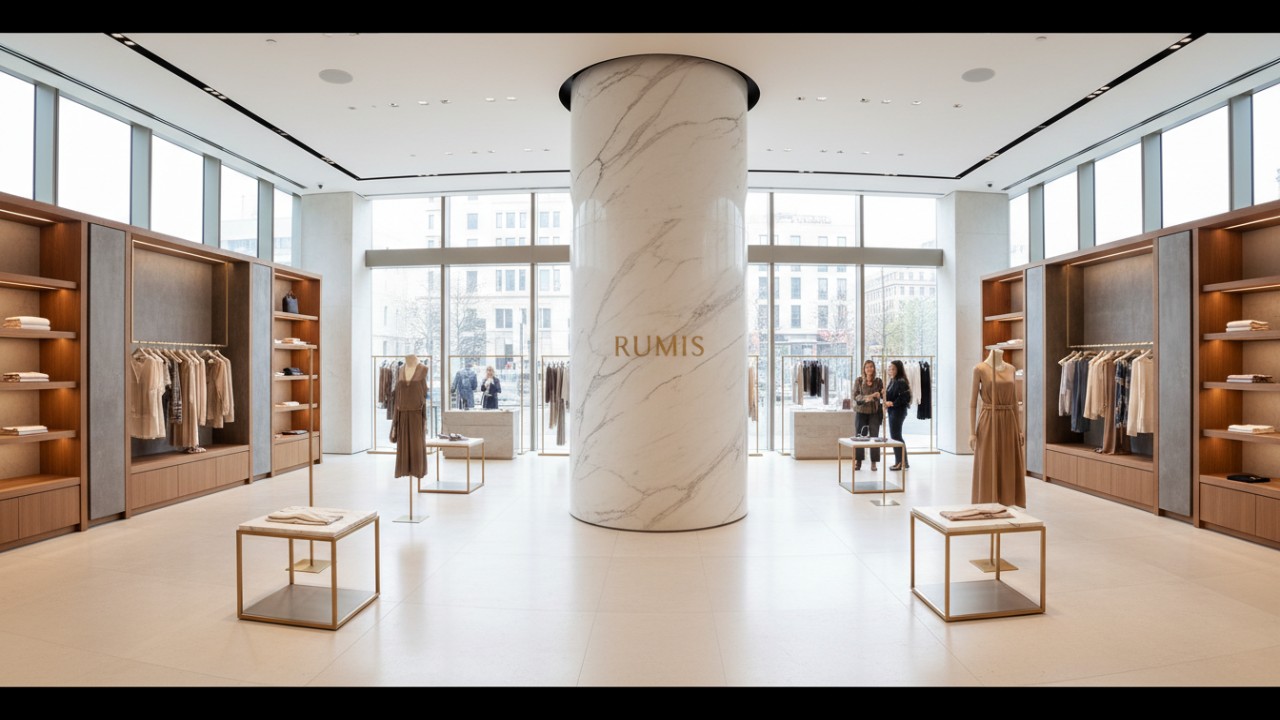
Balancing both freestanding and wall-mounted commercial fixtures is essential for optimizing customer traffic flow and maximizing profitable retail space in 2026. Retailers must rigorously evaluate their floor plans, inventory volume, and visual branding goals to select the perfect display mix.
By intelligently distributing the visual weight of your merchandise—anchoring high-volume stock to the walls and guiding foot traffic with carefully placed floor units—you create an inviting, easy-to-navigate environment that encourages longer dwell times and higher sales. Choosing structurally sound, beautifully designed systems from experienced manufacturers guarantees that your store not only looks spectacular but functions safely under peak commercial demand.
Contact us today at info@rumisinteriors.com to optimize your freestanding vs wall mounted clothing racks strategy.
FAQs About freestanding vs wall mounted clothing racks
These frequently asked questions clarify the core differences and operational considerations between freestanding and wall-mounted store fixtures. By understanding weight capacities, traffic flow impacts, and layout strategies, retailers can confidently choose the safest and most profitable display configurations.
Which is better for small retail stores: freestanding or wall-mounted racks?
Wall-mounted racks are generally better for small stores because they utilize vertical space and clear the floor. Pushing inventory to the perimeter prevents a cramped feeling in tight spaces. However, integrating a few small freestanding racks can help break up the space and highlight key items, drawing customers further inside.
How much weight can a commercial wall-mounted clothing rack hold?
When installed correctly into wall studs, heavy-duty commercial wall racks can hold between 100 to 150 pounds per linear foot. Always verify the precise commercial garment rack weight capacity with the manufacturer, especially when displaying heavy items like leather jackets or winter coats that put extreme tension on the mounting hardware.
Are freestanding clothing racks safe for high-traffic areas?
Yes, provided they are commercial-grade and feature a wide, weighted base. To maintain a safe environment, retailers must avoid using lightweight residential racks in commercial spaces to prevent severe tipping hazards during busy shopping hours.
How do clothing rack layouts affect customer behavior and sales?
Layouts dictate the customer journey; open pathways encourage browsing, while dead ends or crowded aisles cause frustration. Strategic placement of freestanding racks can physically slow down shoppers—creating the 'speed bump' effect—which significantly increases dwell time and the likelihood of impulse buys.
Can I install wall-mounted display racks without damaging the walls?
True wall-mounted commercial racks require drilling directly into studs for safety, which will inevitably leave holes. If wall damage or lease restrictions are a major concern, retailers should consider tension-mounted floor-to-ceiling racks or heavy-duty freestanding alternatives that require zero architectural drilling.
What are the best materials for durable retail clothing racks?
Stainless steel, galvanized iron pipes, and powder-coated metals are the strict industry standards for longevity and durability. Furthermore, custom finishes like brushed gold or matte black are highly popular in 2026 for perfectly aligning these heavy-duty fixtures with premium brand aesthetics.
How often should fashion retailers change their store layout?
Minor visual merchandising updates should occur every 2 to 4 weeks to keep the store looking fresh and to continually engage returning customers. Conversely, major layout shifts utilizing modular freestanding units are typically executed at the start of each new fashion season to reflect comprehensive inventory changes.
Where can I buy customized display racks for fashion retail stores?
Guangdong Meicheng Smart Building Co., Ltd (RUMIS) specializes in engineering bespoke display racks for clothing stores worldwide. You can explore our extensive portfolio of customized, brand-specific solutions for retail spaces across the globe by visiting us online at https://www.rumisinterior.com.
- What Are Freestanding vs Wall-Mounted Clothing Racks?
- Quick Summary: Key Takeaways for Retailers
- Analyzing the Pros and Cons of Freestanding Garment Racks
- Fixture Comparison Table
- Advantages and Limitations of Wall-Mounted Clothing Racks
- Competitor Gap: 2026 Trends & ROI in Retail Layout Optimization
- Expert Tips & Common Mistakes in Store Fixture Planning
- Industry Leading Solutions: How RUMIS Transforms Retail Spaces
- Conclusion
- FAQs About freestanding vs wall mounted clothing racks
- Which is better for small retail stores: freestanding or wall-mounted racks?
- How much weight can a commercial wall-mounted clothing rack hold?
- Are freestanding clothing racks safe for high-traffic areas?
- How do clothing rack layouts affect customer behavior and sales?
- Can I install wall-mounted display racks without damaging the walls?
- What are the best materials for durable retail clothing racks?
- How often should fashion retailers change their store layout?
- Where can I buy customized display racks for fashion retail stores?
Recommended for you
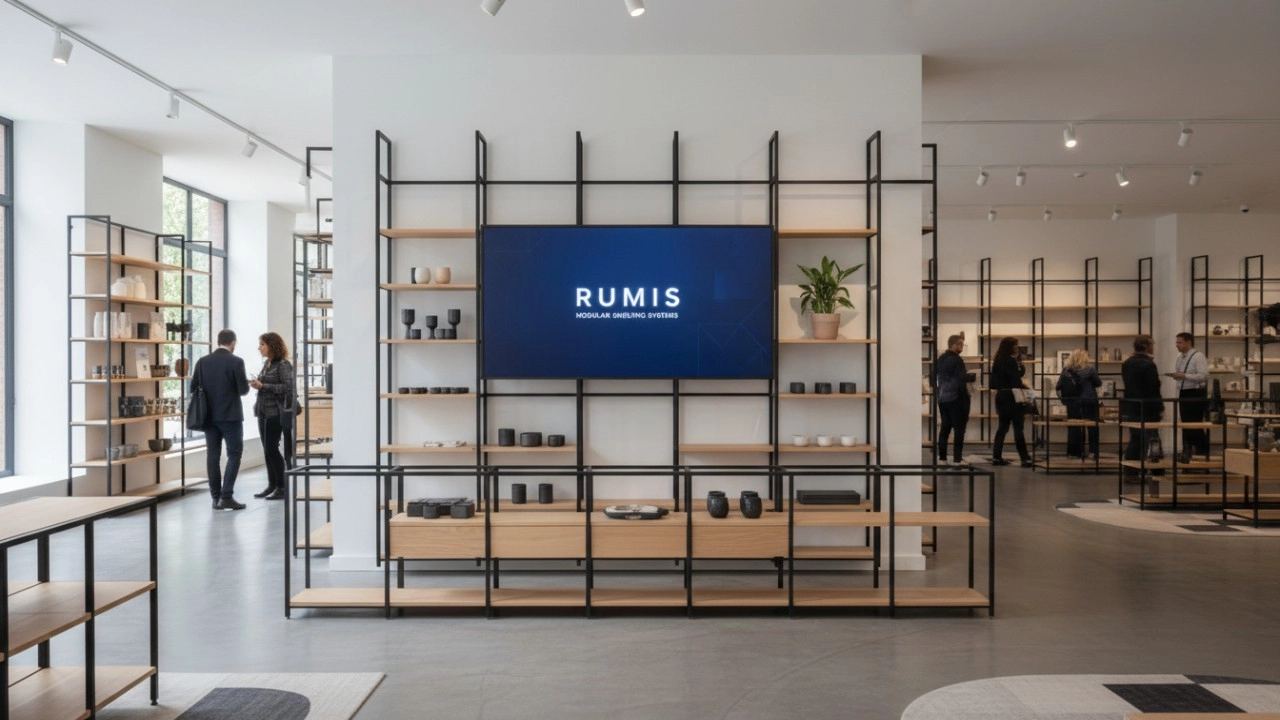
How Modular Retail Shelving Systems Adapt to Fast-Changing Seasonal Inventory in 2026

5 Strategies to Slash Freight Costs When Ordering Bulk Retail Fixtures in 2026
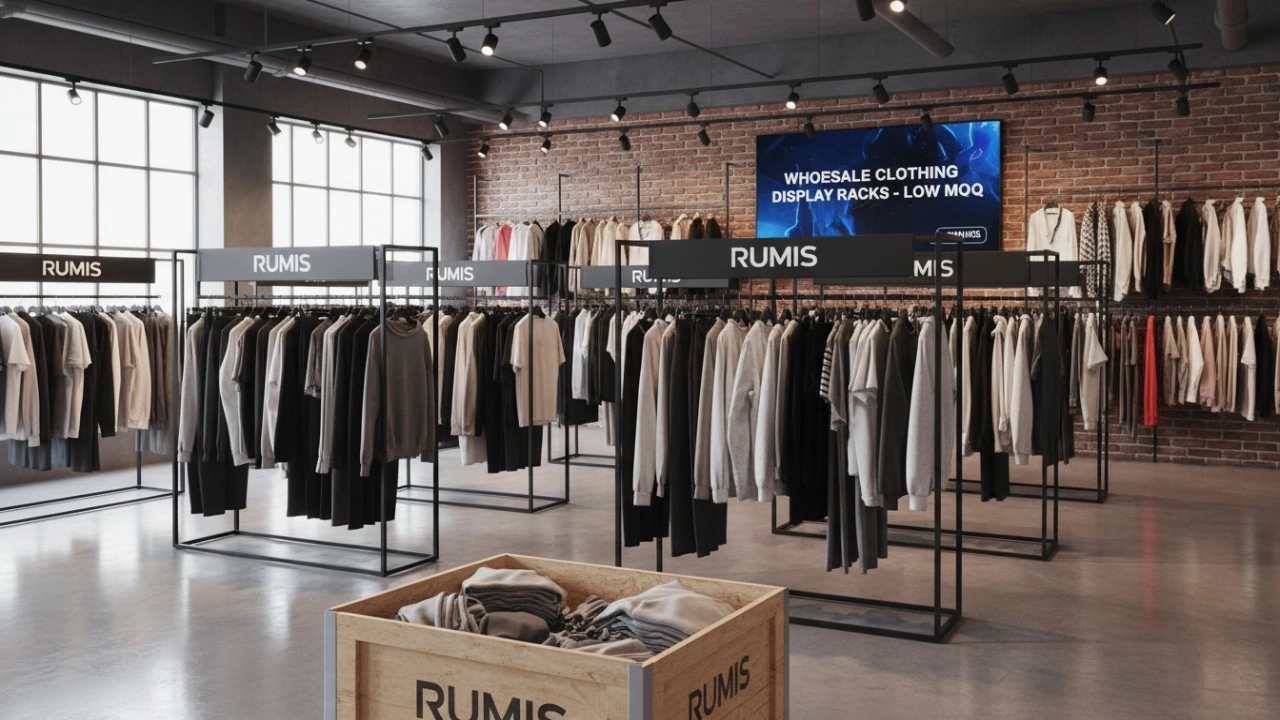
Navigating Minimum Order Quantities (MOQ) for Wholesale Display Racks in 2026
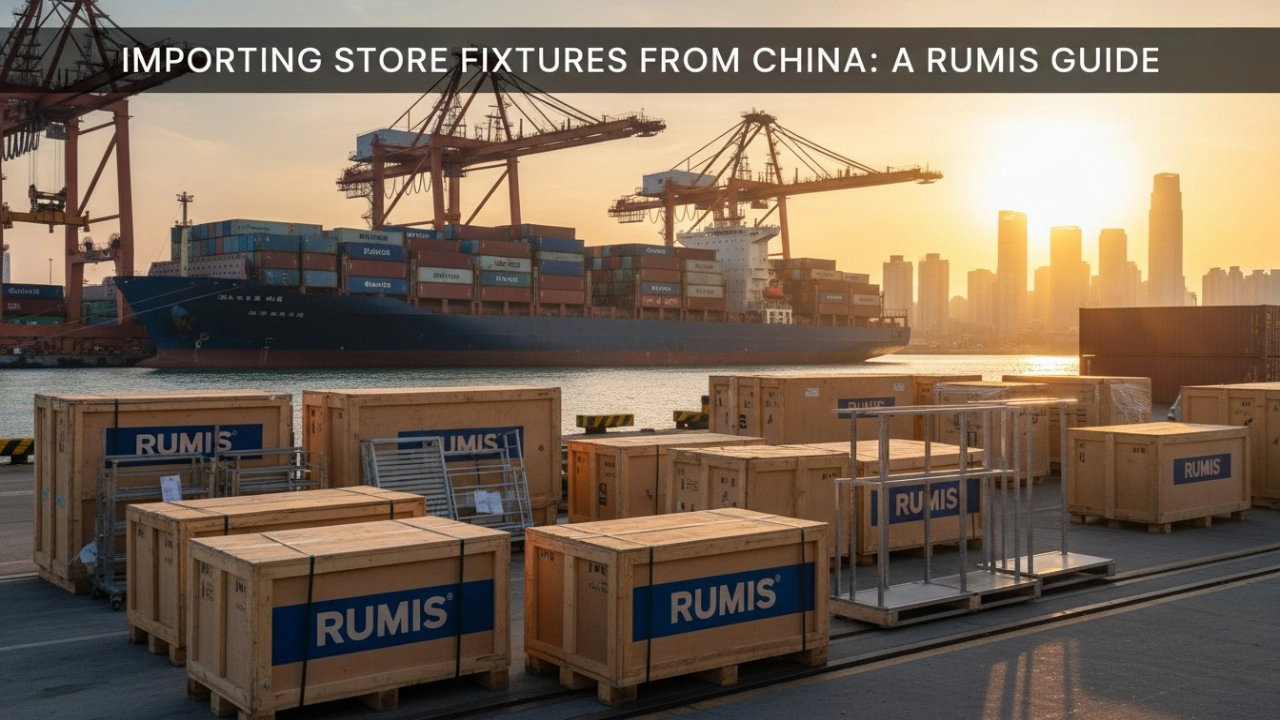
A Buyer's Blueprint for Importing Store Fixtures from China Safely (2026 Guide)
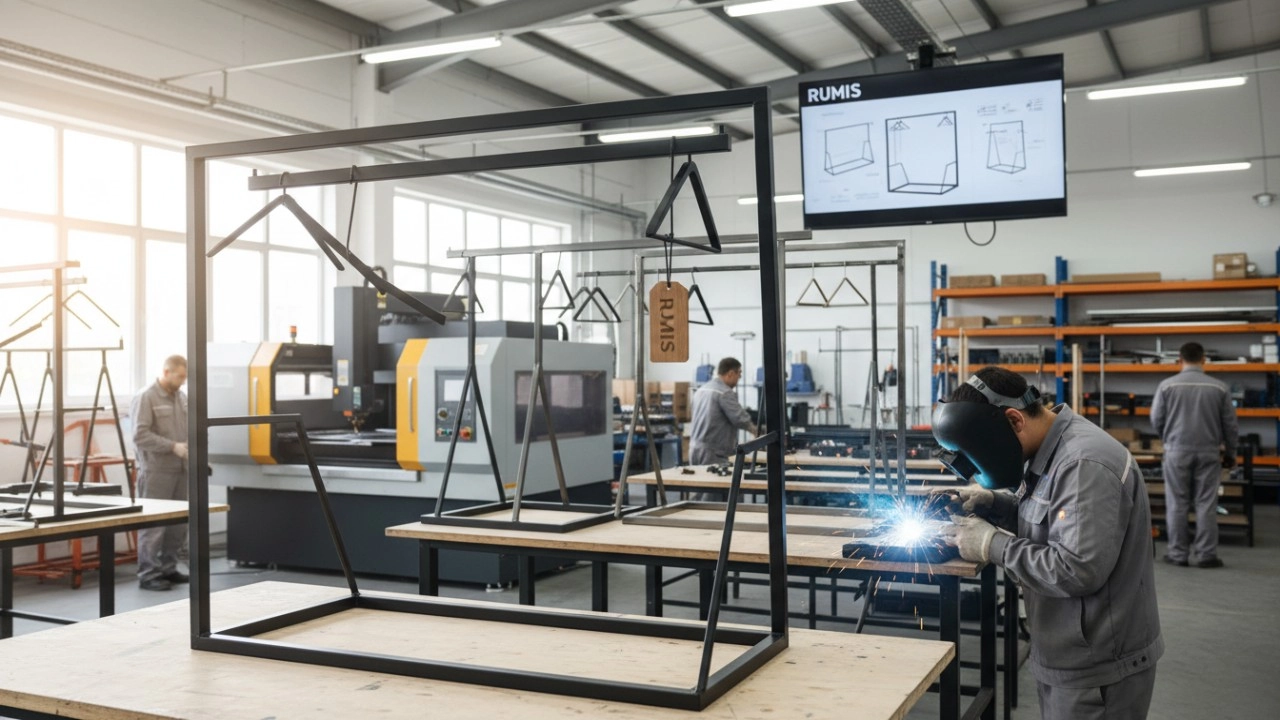
From Sketch to Floor: Demystifying the Custom Clothing Rack Manufacturing Process in 2026
FAQ
Can your clothing shelves display wall rack be used for pop-up shops?
Absolutely. Our display racks are designed for flexibility and can be easily reconfigured to adapt to new layouts and displays.
What types of customization options are available for your products?
We offer a wide range of customization options for your customized display clothes rack, including color matching, material selection, and finish processing. Inquire for more details.
Can You Assist with Design Revisions for Commercial Clothing Rack Display?
Sure! As your design preferences evolve, we’re here to support revisions, ensuring complete satisfaction with our modular retail display system.
Are your retail clothes display racks available in stock or made to order?
Our retail clothing store displays are available in standard inventory, with many products made to order for custom requirements.
Do you provide customized garment display rack for clothes ervices?
Yes, we provide customized garment display racks for clothes services where we can tailor product designs, dimensions, and colors according to your requirements.
You may also like
TINT
RYLOR
FLEEK
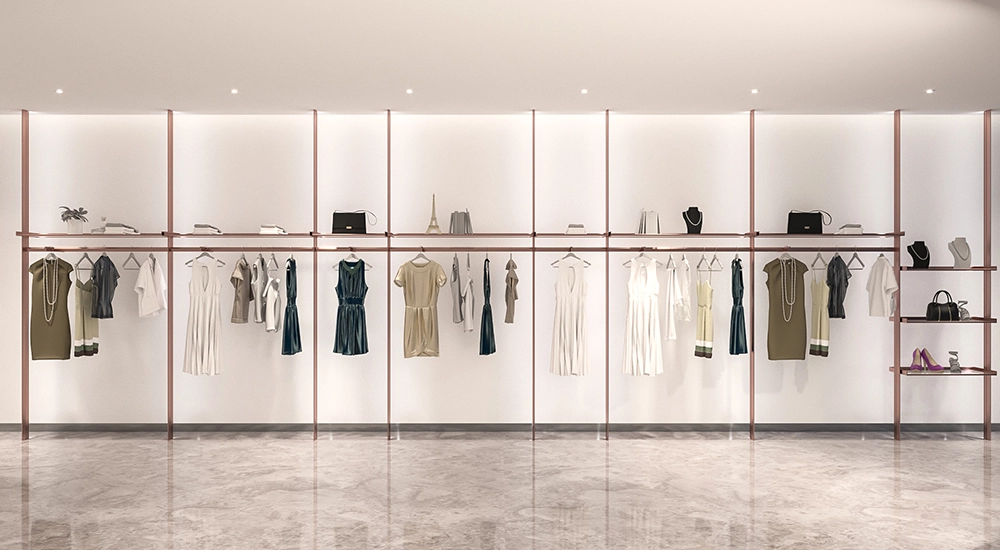
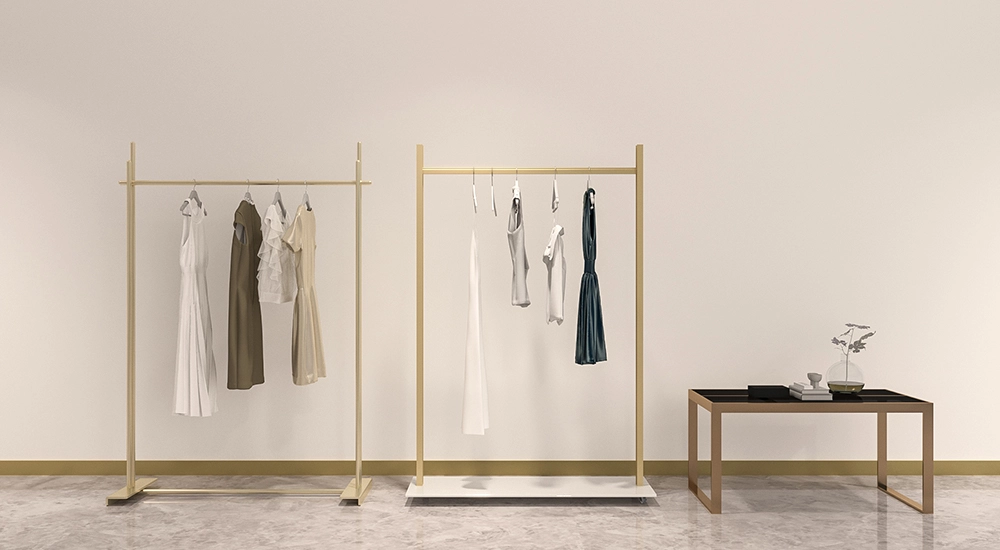
Elegant gold free-standing custom clothing display rack set with multi-function display table
VISO
Start your journey with us
Are you ready to improve your store operations with our display systems?
Get started today.
Copyright © 2024 RUMIS All Rights Reserved. Designed by Gooeyun

Facebook
LinkedIn
Instagram