

Quality Assurance in Retail Store Fixtures: Manufacturing Standards Explained (2026)
What Are Retail Store Fixture Manufacturing Standards?
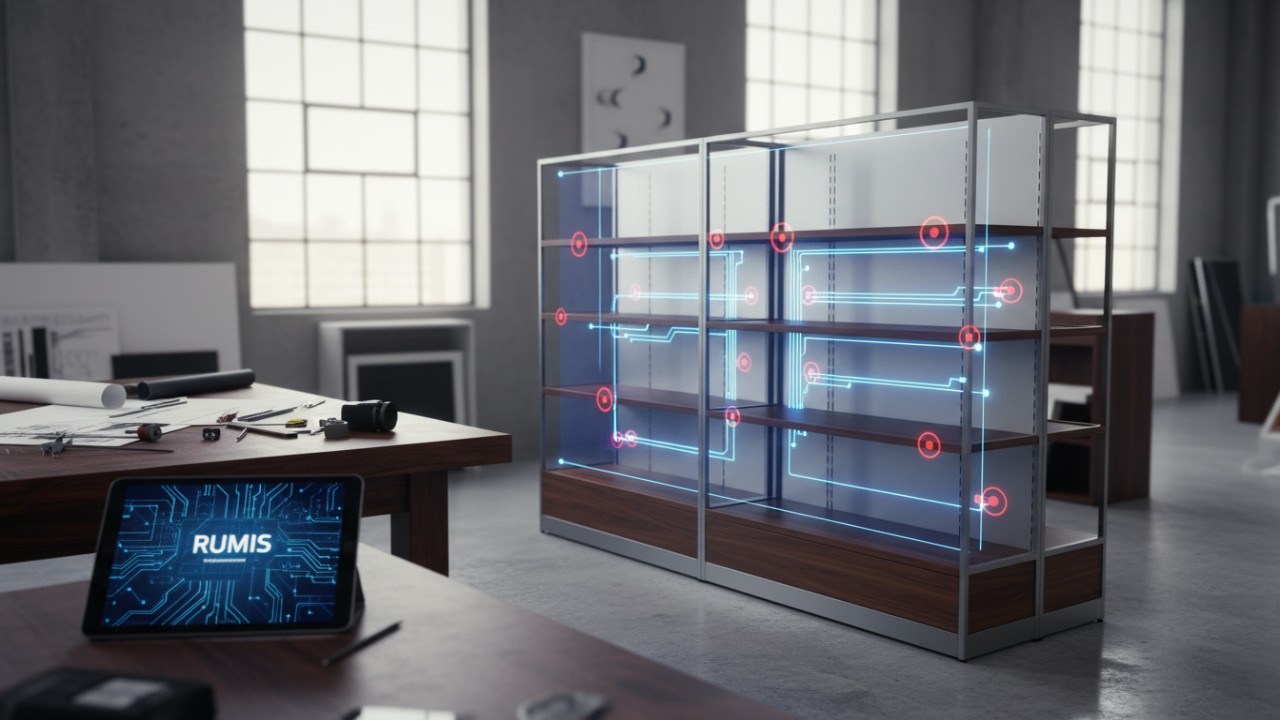
Retail store fixture manufacturing standards are the strict safety, performance, and design benchmarks required for commercial displays, showcases, and case goods. Frameworks like UL 970 ensure structural integrity, electrical safety, and material durability for modern retail environments.
As the retail landscape evolves into 2026, adhering to these protocols is a non-negotiable step for any retail fit-out process. In the modern retail environment, fixtures do more than just hold products; they are interactive, electrified, and modular. This complexity means that relying on outdated guidelines is no longer sufficient. Brands must look towards comprehensive protocols that govern everything from the gauge of steel used in shelving to the toxicity levels of the surface coatings.
These guidelines are explicitly designed to prevent workplace and consumer accidents, standardize quality across international store roll-outs, and ultimately protect a retailer’s brand reputation. Without strict store fixture quality control, brands risk physical failures on the shop floor, which can lead to costly liabilities, product loss, and damaged consumer trust. Establishing a strict baseline for these standards allows retailers to scale operations confidently across multiple regions.
Implementing these manufacturing standards provides several core benefits:
- Risk Mitigation: Prevents structural collapses and electrical hazards in high-traffic commercial zones.
- Brand Consistency: Ensures that every single store location looks, feels, and operates identically.
- Regulatory Compliance: Meets municipal and federal safety codes to avoid fines or store launch delays.
Quick Summary: Key Takeaways for 2026
A quick summary of 2026 retail fit-out compliance involves transitioning to unified safety codes like ANSI/UL 970, prioritizing robust load-bearing capacities, and partnering with experienced bespoke manufacturers. These steps guarantee rapid global rollout without costly compliance bottlenecks.
Procurement teams can no longer view store fixtures as disposable, short-term assets. The rising cost of replacing non-compliant displays, combined with the potential legal ramifications of structural failures, makes upfront compliance the most cost-effective business strategy. Furthermore, as consumer preferences shift towards interactive shopping experiences, displays must safely accommodate heavier digital components and complex electrical wiring.
For brands and procurement officers, staying ahead of compliance trends means actively updating vendor requirements. The core takeaways for this year include:
- Unified Safety Codes: Transitioning fully to the ANSI/UL 970 standard is now the absolute baseline for all modern non-refrigerated commercial displays.
- Robust Quality Control (QC): Modern QC must seamlessly balance heavy load-bearing capacities with environmentally friendly and sustainable material sourcing.
- Expert Partnerships: Collaborating with established, certified manufacturers allows retailers to scale rapidly while meeting safety codes worldwide.
The Big Three: UL 970, ISO 9001, and ADA Compliance
The "Big Three" compliance frameworks in retail manufacturing consist of the UL 970 safety standard for commercial displays, ISO 9001 for quality management, and ADA compliance for accessible store flow. Mastering these ensures safety, operational consistency, and inclusivity.
Understanding these three foundational pillars is critical for producing custom clothing display standards that work efficiently on a global scale.
- UL 970 (Safety Standards): This comprehensive standard dictates the physical and electrical safety of retail displays. By combining the older UL 65 and UL 962 guidelines into a single streamlined code, UL 970 addresses the modern innovations of temporary and permanent showcases, as reported by UL Solutions. It ensures that built-in LED lighting, digital screens, and interactive motor kiosks do not pose fire or electrical shock hazards. By addressing both electrified and non-electrified units under one cohesive umbrella, this standard dramatically simplifies the certification process.
- ISO 9001 (Quality Management): This global certification guarantees consistent manufacturing quality management. It minimizes production defects and ensures high standards from raw material sourcing to final assembly, as reported by ASQ. Facilities operating under ISO 9001 principles provide highly predictable, top-tier output. This systematic approach prevents costly rework, guaranteeing that mass-produced components consistently match the quality of the approved prototype.
- ADA Compliance (Ergonomics and Accessibility): Store fixtures must physically accommodate everyone. ADA compliance dictates specific height limits, reach distances, and minimum 36-inch clear aisle requirements to ensure accessible store flow for mobility devices, as reported by Accessibility Checker. By integrating universal design principles from the very beginning, brands avoid costly post-launch retrofits and legal penalties while creating a welcoming environment.
Material Quality and Structural Integrity Testing
Material quality and structural integrity testing refers to the rigorous evaluation of metal, wood, and glass components to verify load distribution and mechanical stability. These tests confirm that custom fixtures can withstand high-traffic retail conditions without failing.
Before mass production begins, a comprehensive testing phase must be flawlessly executed. Bespoke fashion retail displays often use a combination of premium materials, meaning each element must be tested both individually and as a cohesive structural unit. Beyond basic weight limits, tests simulate years of daily wear and tear. Impact resistance tests drop heavy objects onto base decks, while environmental chambers expose materials to extreme humidity and temperature fluctuations.
Utilizing precision testing equipment ensures that every fixture meets the documented safety requirements. Standard protocols demand rigorous documentation and factory audits to verify these test results.
Here is a breakdown of the primary testing protocols for different fixture materials:
| Material Type | Common Retail Application | Testing Protocol | Key Quality Control Focus | Expected Lifespan Impact |
|---|---|---|---|---|
| Powder-Coated Metal | Heavy-duty clothing racks, frames | Weight Load & Impact Simulation | Checking weld strength, rust resistance, and center-of-gravity stability. | Extends usable life by 5+ years in high-traffic zones. |
| Tempered Glass | Jewelry showcases, POS enclosures | Shatter Resistance & Pressure Testing | Ensuring glass fractures safely into blunt pebbles rather than sharp shards. | Drastically reduces physical liability and injury risk. |
| Sustainable Wood | Boutique shelving, premium wrap counters | Moisture Content & Load Bearing | Verifying FSC certification, checking for warping, and testing joint adhesives. | Prevents structural sagging and maintains brand aesthetics. |
Common Mistakes in Retail Store Fixture QC
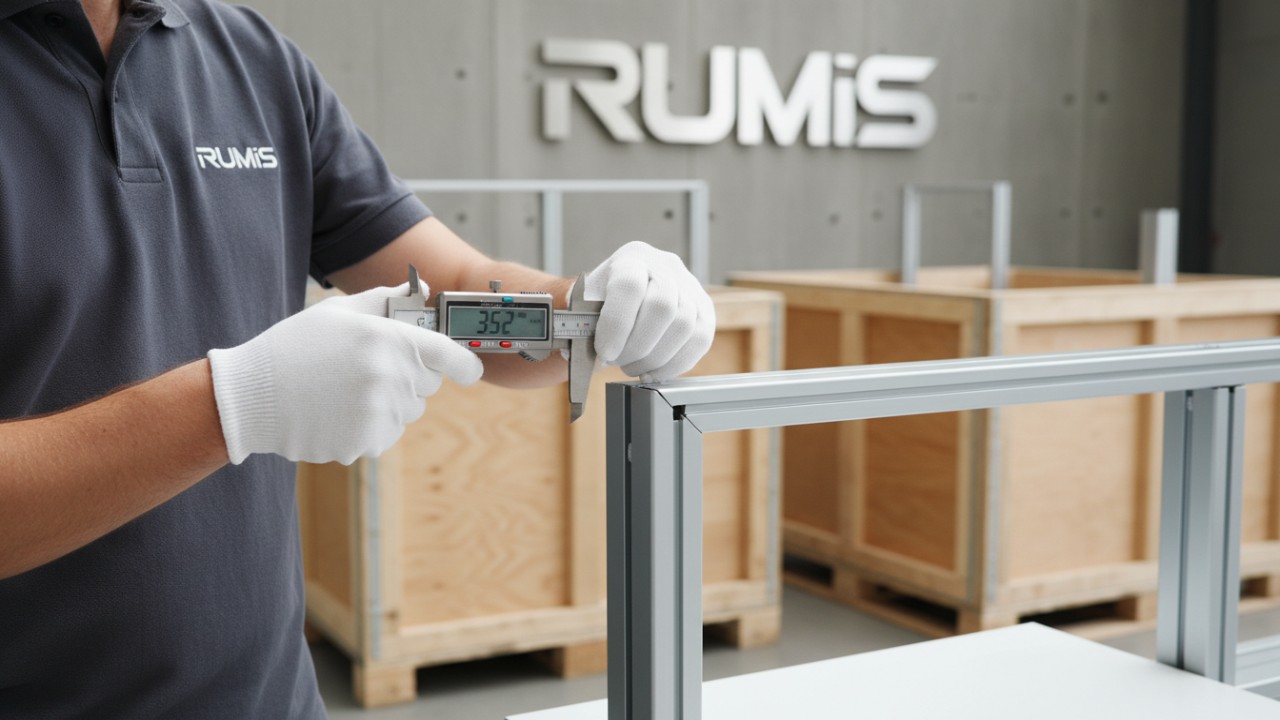
Common mistakes in store fixture quality control include rushing production by skipping prototypes, ignoring regional compliance variations, and prioritizing aesthetics over mechanical stability. Avoiding these pitfalls prevents expensive recalls and long-term maintenance costs.
Even highly experienced retail brands can fall victim to procurement errors if they do not hold their manufacturing partners accountable. Another common oversight is failing to secure comprehensive documentation. Without a paper trail of material certifications and factory test results, retailers have no recourse if a fixture fails in the field. Maintaining a robust digital archive of all compliance certificates is just as important as the physical testing itself.
The most frequent errors to avoid include:
- Skipping the Prototyping Phase: Rushing timelines by moving straight from 3D renders to mass production often results in unforeseen structural flaws. Prototyping is completely essential for physical weight, scale, and balance testing.
- Ignoring Regional Compliance: Assuming that a fixture compliant in North America will automatically pass European or Asian safety audits is a critical financial error. International rollouts require highly adaptable engineering.
- Form Over Function: Prioritizing visual merchandising aesthetics over practical mechanical stability leads to fixtures that warp, lean, or break under the dense weight of heavy winter garments.
Balancing Aesthetics and Compliance: The RUMIS Approach
Balancing aesthetics and compliance means engineering beautiful, brand-aligned bespoke fashion retail displays that simultaneously meet rigid international safety standards. Expert manufacturers seamlessly integrate structural integrity into highly personalized designs without compromising visual merchandising.
At Guangdong Meicheng Smart Building Co., Ltd, operating globally under the brand name RUMIS, we have mastered this delicate balance. As a premier customized solution manufacturer for the fashion retail industry, RUMIS brings over 10 years of specialized expertise to the table. Our ultimate mission is to design bespoke display racks for clothing stores that not only capture a brand's unique identity but also strictly adhere to global manufacturing benchmarks.
Whether a boutique requires unique personalization or a multinational franchise needs large-scale brand customization, our approach integrates safety compliance directly into the conceptual phase. For brands looking to scale their physical footprint safely, partnering with the right supplier is crucial; you can learn more in our clothing display shelves manufacturers guide.
Our customized systems have successfully covered more than 60 countries at home and abroad, winning wide market recognition for reliability. We ensure that our customized display rack solutions—including high-end display racks for fashion retail stores—are fully optimized for both safety and modern style. To see how specialized, code-compliant builds enhance a commercial space, explore our custom retail clothing display racks guide. Additionally, for environments requiring specific spatial footprints that still meet ADA clearance guidelines, our commercial wall mounted clothing racks guide outlines how we maximize floor plans while maintaining absolute structural integrity.
Global Retail Trends: Future-Proofing Displays for 2026
Future-proofing displays for 2026 involves adopting modular fixture systems, integrating smart technology safely, and utilizing ethically sourced, environmentally certified materials. These trends ensure long-term sustainability and compliance with evolving global safety codes.
Looking ahead, retail fit-out compliance is becoming increasingly intertwined with environmental, social, and governance (ESG) goals. Brands are aggressively shifting away from single-use pop-up materials and demanding longevity. The rise of circular economy principles is pushing manufacturers to design displays that can be easily disassembled and recycled at the end of their lifecycle. Brands that adopt these forward-thinking standards today will significantly outpace competitors who remain reliant on outdated manufacturing models.
- Modular Systems: The industry is pivoting toward modular, easily repairable fixture systems. This drastically reduces waste and allows retailers to refresh their store layouts without purchasing entirely new infrastructure. If you are budgeting for a flexible and compliant rollout, our wholesale clothing display racks price guide provides deep insights into cost-effective, scalable modularity.
- Smart Technology Integration: As fixtures incorporate more digital signage, RFID inventory trackers, and interactive LED lighting, the need for stringent electrical safety compliance (like UL 970 retail fixtures standards) has never been higher.
- Ethical Sourcing: There is a rapidly growing international demand for ethically sourced and environmentally certified materials, such as Forest Stewardship Council (FSC) woods and REACH-compliant powder coatings.
Conclusion
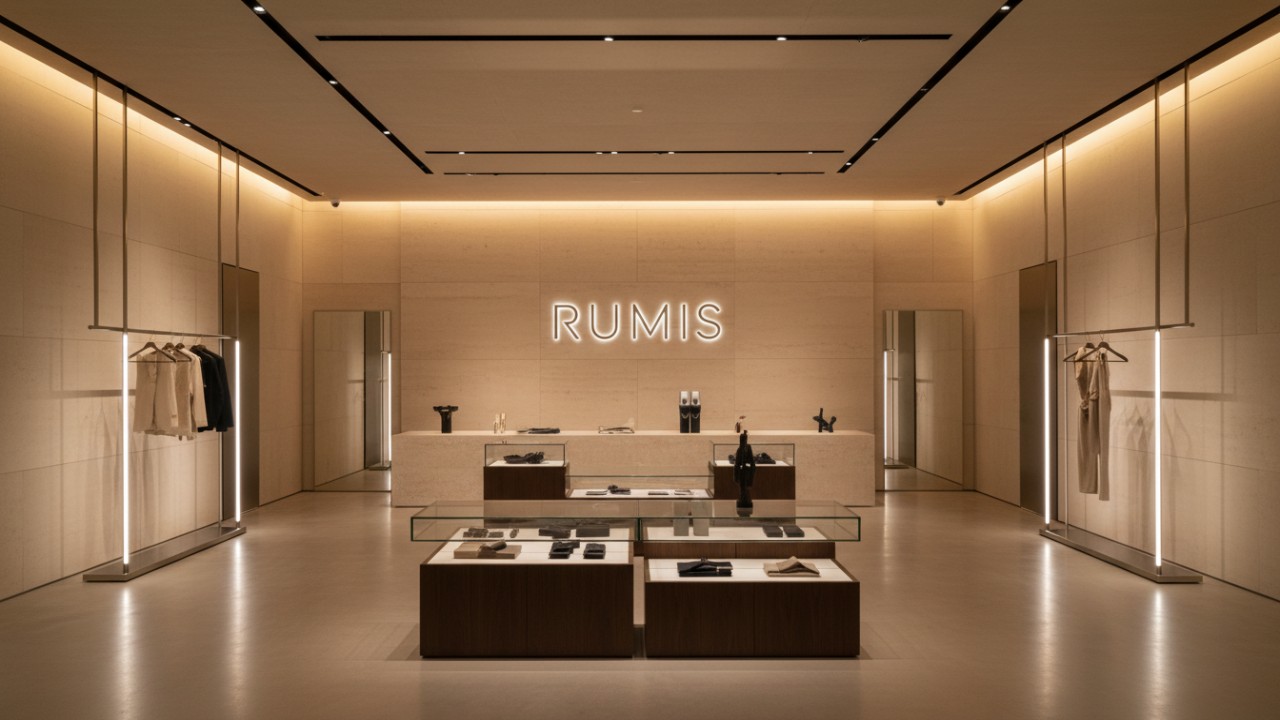
Rigorous manufacturing standards and meticulous quality assurance play a critical role in the long-term success of any commercial retail rollout. By strictly adhering to established frameworks like UL 970, ISO 9001, and ADA guidelines, retail brands can confidently safeguard their physical environments, ensure visual consistency, and enhance the overall customer experience. Partnering with a certified, highly experienced manufacturer like RUMIS drastically mitigates financial risk and significantly elevates your brand presentation on the global stage.
Contact us today to optimize your retail store fixture manufacturing standards strategy.
FAQs About retail store fixture manufacturing standards
What is the UL 970 standard for retail fixtures?
UL 970 is the primary ANSI-approved industry standard covering the safety and performance of retail fixtures and merchandise displays. It applies to both electrified and non-electrified units, replacing older standards like UL 65 to ensure modern displays meet rigorous fire and structural safety benchmarks.
Why is quality control important in store fixture manufacturing?
Quality control ensures that fixtures can withstand high-traffic retail environments safely without putting consumers or employees at risk. It also guarantees visual consistency across multiple store locations during a rollout, ensuring every piece matches the original approved design.
How do you test the stability of a retail display?
Stability is tested through mechanical strength evaluations, weight load testing, and simulated impact tests. These tests ensure the fixture will not tip over, warp, or collapse when fully merchandised with heavy apparel or daily customer interactions.
What materials are best for fashion retail display racks?
High-grade stainless steel, powder-coated metals, tempered glass, and sustainable woods are commonly used due to their durability and premium look. The choice heavily depends on brand aesthetics, specific load requirements, and international compliance standards.
Can custom store fixtures meet global safety standards?
Yes, expert manufacturers engineer bespoke designs to align with international safety regulations straight from the prototyping phase. Companies like RUMIS specialize in delivering customized solutions that are visually unique yet fully compliant globally.
What is the role of ISO 9001 in fixture manufacturing?
ISO 9001 is a quality management certification that indicates a manufacturer has consistent, highly reliable production processes. It systematically minimizes defects and ensures high standards from raw material sourcing all the way to final assembly and shipping.
How does accessibility impact store fixture design?
Fixtures must be deliberately designed to comply with ADA regulations and other regional accessibility laws to guarantee inclusive shopping experiences. This involves designing around specific height limits, reach distances, and strict minimum aisle clearance requirements for mobility devices.
How can I choose a reliable store fixture manufacturer?
Look for manufacturers with verified industry certifications, a comprehensive portfolio of successful global deployments, and specialized experience in your exact niche. A strong track record, like RUMIS's 10-year history in fashion retail, is a key indicator of reliability and execution capabilities.
- What Are Retail Store Fixture Manufacturing Standards?
- Quick Summary: Key Takeaways for 2026
- The Big Three: UL 970, ISO 9001, and ADA Compliance
- Material Quality and Structural Integrity Testing
- Common Mistakes in Retail Store Fixture QC
- Balancing Aesthetics and Compliance: The RUMIS Approach
- Global Retail Trends: Future-Proofing Displays for 2026
- Conclusion
- FAQs About retail store fixture manufacturing standards
- What is the UL 970 standard for retail fixtures?
- Why is quality control important in store fixture manufacturing?
- How do you test the stability of a retail display?
- What materials are best for fashion retail display racks?
- Can custom store fixtures meet global safety standards?
- What is the role of ISO 9001 in fixture manufacturing?
- How does accessibility impact store fixture design?
- How can I choose a reliable store fixture manufacturer?
Recommended for you
Creating High-Converting Window Displays Using Specialized Clothing Shelving (2026 Guide)
Freestanding vs. Wall-Mounted: Optimizing Customer Traffic Flow with the Right Racks in 2026
How Modular Retail Shelving Systems Adapt to Fast-Changing Seasonal Inventory in 2026
5 Strategies to Slash Freight Costs When Ordering Bulk Retail Fixtures in 2026
Navigating Minimum Order Quantities (MOQ) for Wholesale Display Racks in 2026
FAQ
What information should I provide for the initial custom clothes display rack consultation?
Provide your brand guidelines, store dimensions, budget, and any specific design preferences for modular shopfitting systems.
What types of customization options are available for your products?
We offer a wide range of customization options for your customized display clothes rack, including color matching, material selection, and finish processing. Inquire for more details.
Can your clothing shelves display wall rack be used for pop-up shops?
Absolutely. Our display racks are designed for flexibility and can be easily reconfigured to adapt to new layouts and displays.
Do you provide customized garment display rack for clothes ervices?
Yes, we provide customized garment display racks for clothes services where we can tailor product designs, dimensions, and colors according to your requirements.
How long does it take to receive a customized display clothes rack order?
The turnaround time for custom clothes display rack orders varies depending on the complexity of the request and our current production schedule. We will provide you with an estimated timeline when you place your order.
You may also like
TINT
RYLOR
FLEEK
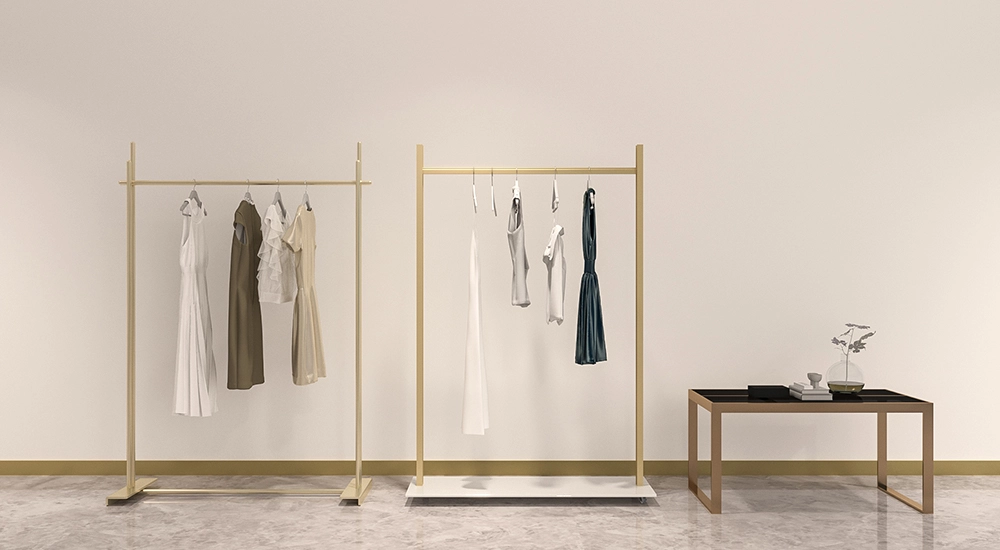
Elegant gold free-standing custom clothing display rack set with multi-function display table
VISO
Start your journey with us
Are you ready to improve your store operations with our display systems?
Get started today.
Copyright © 2024 RUMIS All Rights Reserved. Designed by Gooeyun

Facebook
LinkedIn
Instagram