

How to Choose a Clothing Display Rack That Boosts Your Sales by 30% (2026 Guide)
Quick Summary: The High-Converting Rack Checklist
A high-converting clothing display rack balances traffic flow with product visibility to maximize sales per square foot.
To immediately optimize your retail space, ensure your fixtures meet these four criteria:
- Traffic Flow: The right rack influences customer flow and dwell time.
- Vertical Usage: Vertical usage maximizes square footage value without expanding the footprint.
- Material Psychology: Material choice communicates brand pricing power (e.g., chrome vs. matte black).
- Density Control: Overcrowding racks reduces perceived value and makes browsing difficult.
What Role Does a Clothing Display Rack Play in Sales Performance?
A clothing display rack is a passive selling tool that dictates the customer journey, product visibility, and perceived value.
It is not merely a storage unit; it is the backbone of your visual merchandising strategy. When positioned correctly in the "decompression zone" or high-traffic pathways, a display rack acts as a visual anchor that can increase product interaction by up to 30%.
Strategic fixture placement guides the "shopper loop" (usually counter-clockwise) to maximize basket size. According to Wikipedia, visual merchandising optimizes the presentation of products to better highlight their features and benefits, directly motivating the customer toward making a purchase.
The 30% Formula: Merchandising Psychology & Rack Types
The "30% Formula" relies on matching the specific rack functionality to the intended sales goal of the merchandise it holds.
Using the wrong rack for a specific garment type can kill conversion rates. For example, placing high-ticket evening wear on a high-density rounder devalues the item.
- The 4-Way Rack: Best for maximizing visibility of coordinated outfits. This supports cross-selling by allowing customers to see a top and bottom together.
- The Rounder: Best for clearance and high-volume density. Use this for volume selling where quantity drives revenue.
- The 2-Way (T-Stand): Best for highlighting new arrivals and "Hero" products. This fixture drives high-ticket conversion by isolating premium items.
- Gondola Units: Best for adaptable shelving and hanging combinations, offering flexibility for folded and hung inventory.
Material & Aesthetic: Aligning Fixtures with Brand Identity
Your fixture material acts as a silent price tag, signaling to the customer whether they are in a luxury boutique or a discount outlet.
In boutique fixture design, the tactile experience of the rack contributes to the overall brand story. A heavy, stable rack implies quality garments, while a wobbly, lightweight rack suggests fast fashion.
- Industrial Pipe: Communicates durability and urban streetwear appeal.
- Matte Black vs. Chrome: Matte finishes often suggest modern luxury, while chrome can be associated with traditional or mass-market environments.
- Minimalist Wood: Creating a boutique, eco-conscious atmosphere that appeals to sustainable shoppers.
- Durability Factors: Ensuring racks withstand the wear and tear of high-traffic retail environments is critical for long-term ROI.
Expert Tips: Common Merchandising Mistakes to Avoid
The most common merchandising mistake is the "Warehouse Effect," where racks are overstuffed to the point that customers physically cannot browse.
This friction causes shoppers to abandon the rack entirely. Effective retail store layout optimization requires negative space to allow the product to breathe.
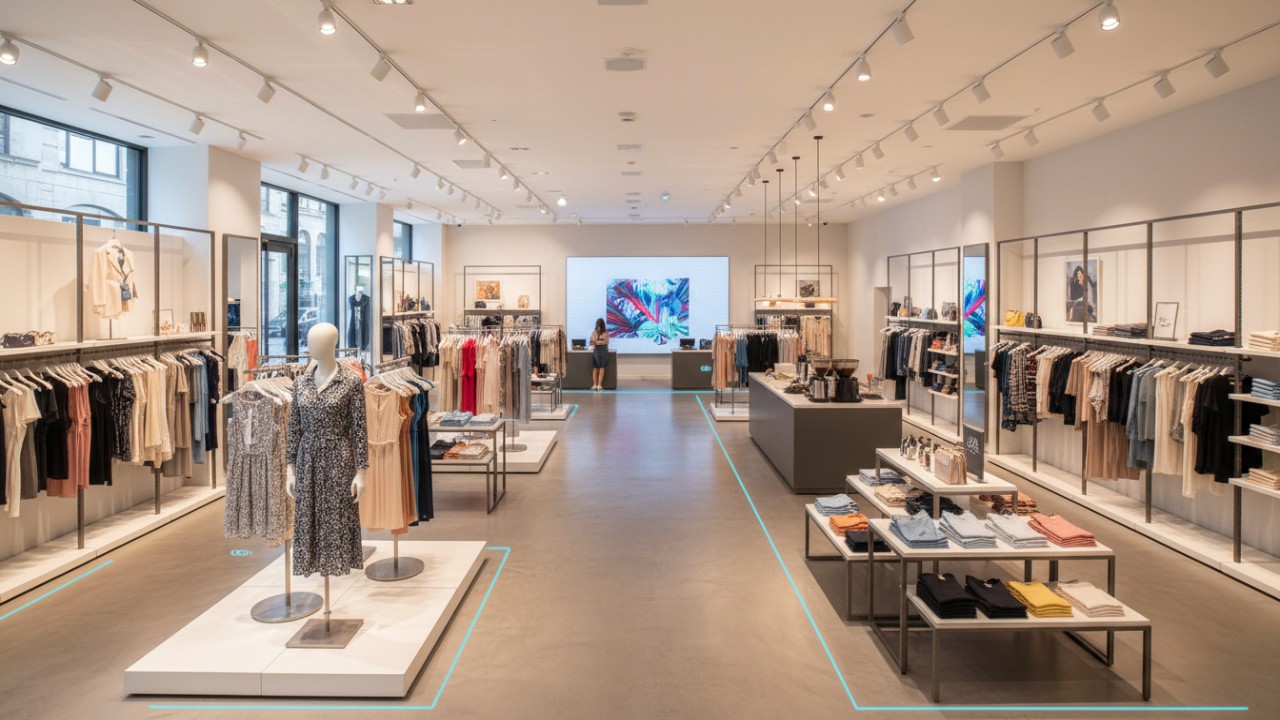
- Mistake #1: Overstuffing: If a customer cannot slide a hanger 2 inches to the side, the rack is too full.
- Mistake #2: Ignoring Eye-Level: Placing high-margin items too low (knee level) or too high (out of reach) guarantees they will be ignored.
- Mistake #3: Inconsistent Spacing: Failing to leave "breathing room" between fixtures affects accessibility. You must adhere to ADA.gov standards, which typically require a minimum aisle width of 36 inches to ensure accessibility for all customers.
- Expert Tip: Use the "Finger Rule"—if you can't fit two fingers comfortably between hangers, remove inventory to increase item desirability.
Future Trends: Retail Display Innovation (2026 and Beyond)
The future of retail display lies in modular adaptability and smart integration, allowing stores to shift layouts dynamically based on real-time data.
Static floor plans are becoming obsolete. Modern retailers need fixtures that can adapt to seasonal inventory shifts without requiring a full renovation.
- Modular Adaptability: Racks that change shape or height to accommodate different garment lengths (e.g., maximizing vertical space for winter coats).
- Smart Retail Integration: Racks compatible with RFID inventory tracking and digital price tags for seamless inventory management.
- Sustainable Materials: The rise of recycled metals and biodegradable fixture components is becoming a priority for eco-conscious brands.
- Competitor Gap: Most generic guides ignore these future-proofing elements, but commercial garment rack types are evolving to meet these tech-heavy needs.
How RUMIS Display Solutions Drive ROI
RUMIS (Guangdong Meicheng Smart Building Co., Ltd) drives ROI by combining commercial-grade durability with bespoke design to increase customer dwell time.
With over 10 years of experience serving the fashion retail industry across 60 countries, we understand that a rack is an investment, not an expense. Our customer traffic flow analysis informs how we design our custom solutions to ensure your store layout encourages purchasing behavior.
- Global Expertise: Our systems have won market recognition worldwide, providing solutions for both small boutiques and large retail chains.
- Customization: Whether you need "Industrial Pipe" aesthetics for a streetwear brand or sleek chrome for a high-end showroom, we provide brand-specific customization.
- The Durability Guarantee: unlike big-box aluminum fixtures, our commercial-grade steel solutions withstand the rigors of daily retail use.
Conclusion
Choosing the right clothing display rack is a strategic investment in your store's conversion rate, not just an operational expense.
By aligning your rack selection with your sales goals—using T-stands for high-value items and rounders for volume—you can directly influence shopper behavior. Remember to maintain ADA-compliant spacing and select materials that reflect your brand's price point to maximize the return on your retail floor space.
Contact us today to optimize your visual merchandising strategy.
FAQs
What is the best clothing rack for a small boutique?
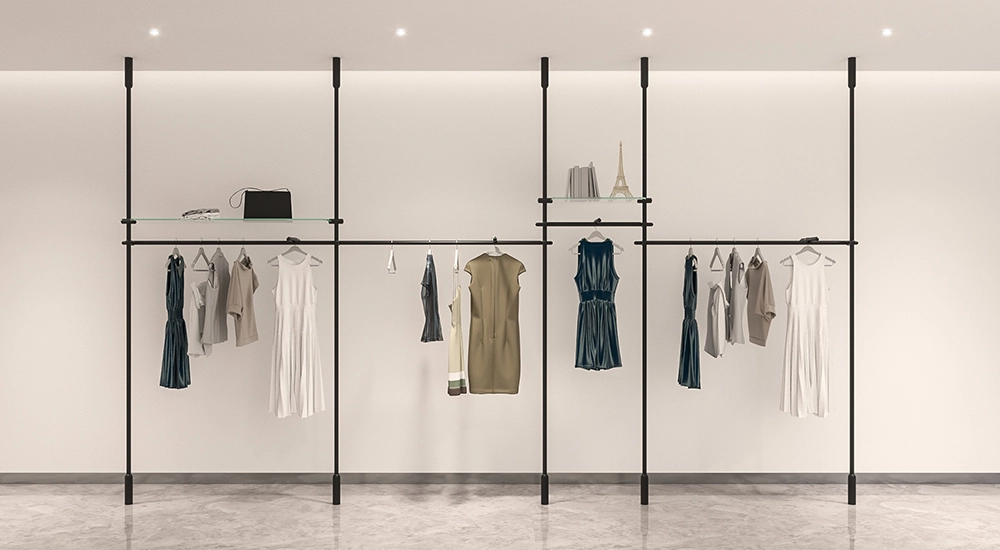
For small spaces, 4-way racks or wall-mounted industrial pipes are best as they maximize vertical space without cluttering the floor. These options allow you to display a full collection (tops and bottoms) in a compact footprint, keeping the center of the floor open for traffic flow.
How much weight can a commercial clothing rack hold?
Commercial-grade racks typically hold between 250 to 600 lbs, depending on the material (steel vs. aluminum) and caster quality. It is crucial to check the load rating if you plan to display heavy winter coats or denim to prevent structural failure.
How does rack placement affect retail sales?
Rack placement directs traffic flow; placing "speed bump" displays near the entrance slows customers down and increases product discovery. By forcing a pause in the decompression zone, you increase the likelihood of customers engaging with the merchandise rather than walking straight past it.
What is the difference between a 2-way and a 4-way rack?
A 2-way rack (T-stand) faces two directions and highlights specific items, while a 4-way rack allows visibility from all angles, ideal for color stories. The 2-way is a "feature" rack for high-ticket items, while the 4-way is a "capacity" rack that balances volume with visibility.
Are rolling clothing racks durable enough for permanent retail use?
Yes, provided they use heavy-duty rubber casters and welded steel frames. They offer excellent flexibility for changing store layouts, allowing you to refresh your visual merchandising strategy seasonally without buying new fixtures.
What is the ideal distance between clothing racks in a store?
You should maintain at least 36 to 42 inches between racks to ensure ADA compliance and a comfortable shopping experience. This spacing prevents the "butt-brush effect," where customers feel crowded and leave the aisle, directly impacting sales.
Can clothing display racks influence perceived brand value?
Absolutely. High-end materials (like brass or solid wood) and spacious arrangement suggest luxury, while crowded, flimsy racks suggest discount pricing. The physical weight and finish of the rack transfer a subconscious value judgment to the garment hanging on it.
Where can I find custom clothing display racks for my brand?
Specialized retail fixture manufacturers like RUMIS offer custom finishes and dimensions that big-box retailers like Amazon or IKEA do not provide. Custom solutions ensure your fixtures fit your exact floor plan and reinforce your unique brand identity.
- Quick Summary: The High-Converting Rack Checklist
- What Role Does a Clothing Display Rack Play in Sales Performance?
- The 30% Formula: Merchandising Psychology & Rack Types
- Material & Aesthetic: Aligning Fixtures with Brand Identity
- Expert Tips: Common Merchandising Mistakes to Avoid
- Future Trends: Retail Display Innovation (2026 and Beyond)
- How RUMIS Display Solutions Drive ROI
- Conclusion
- FAQs
Recommended for you
Why Your Display in Retail is Failing: 7 Critical Errors and How to Fix Them Now
The Future of Retail Display Racks: Smart, Sustainable, and Modular Solutions
Retail Display Wall Systems 2026: Smart Modular Walls That Maximize Store Profitability
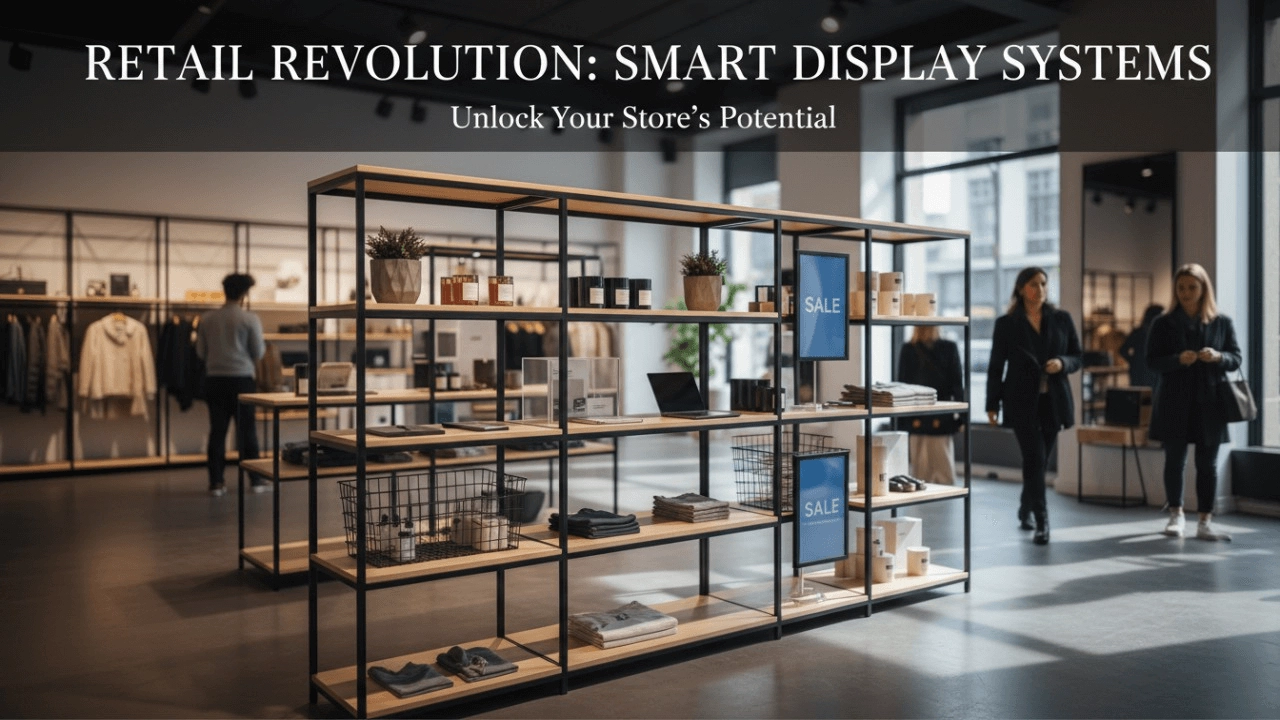
The Strategic Aspects That Define an Effective Retail Display System
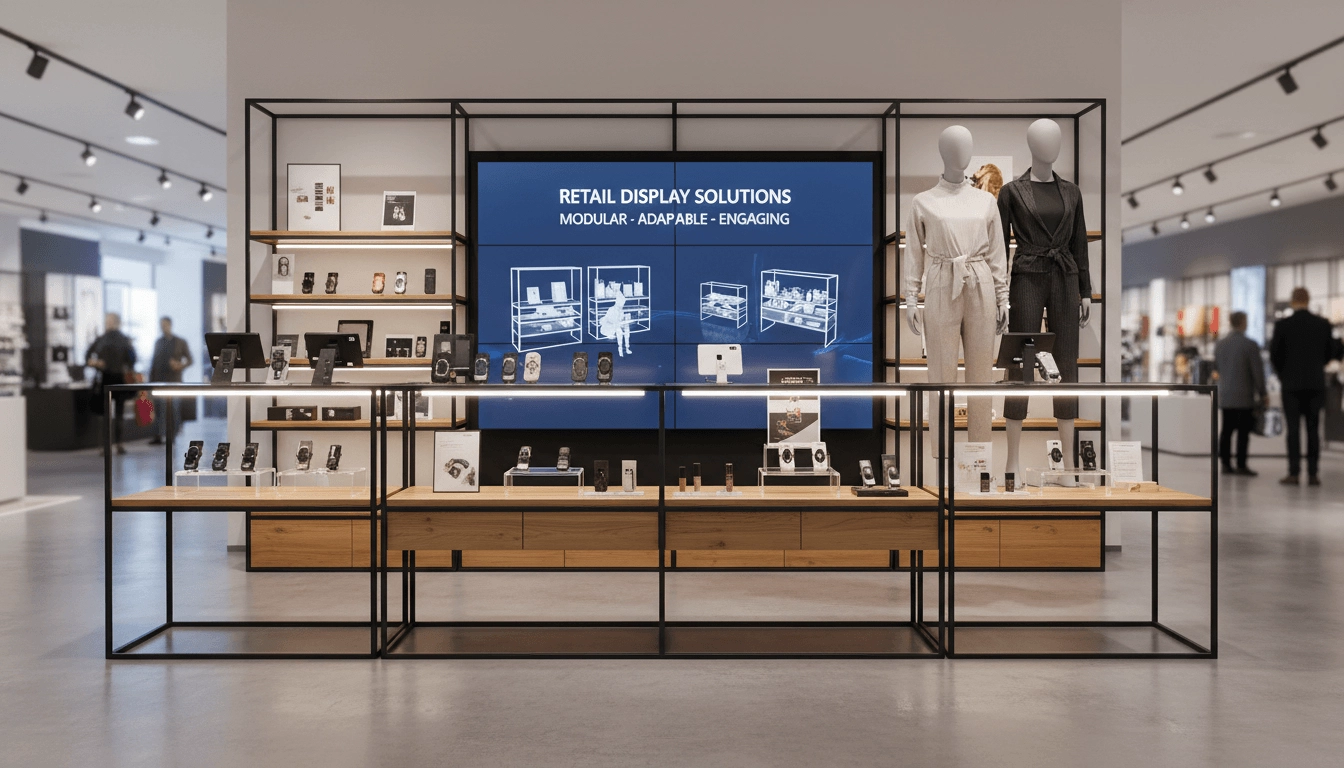
Retail Display Systems for Fashion Brands: Design, Innovation & Custom Solutions
FAQ
What types of customization options are available for your products?
We offer a wide range of customization options for your customized display clothes rack, including color matching, material selection, and finish processing. Inquire for more details.
Can your display racks be reconfigured after installation?
Absolutely. Our display racks are designed for flexibility and can be easily reconfigured to adapt to new layouts and displays.
How long does it take to receive a customized display clothes rack order?
The turnaround time for custom clothes display rack orders varies depending on the complexity of the request and our current production schedule. We will provide you with an estimated timeline when you place your order.
Can you provide design mock-ups or prototypes before retail clothing store displays production?
Absolutely! We offer design mock-ups and prototypes to ensure that our clients are satisfied with the final retail clothing store displays product before proceeding with production.
Can your clothing shelves display wall rack be used for pop-up shops?
Absolutely. Our display racks are designed for flexibility and can be easily reconfigured to adapt to new layouts and displays.
You may also like
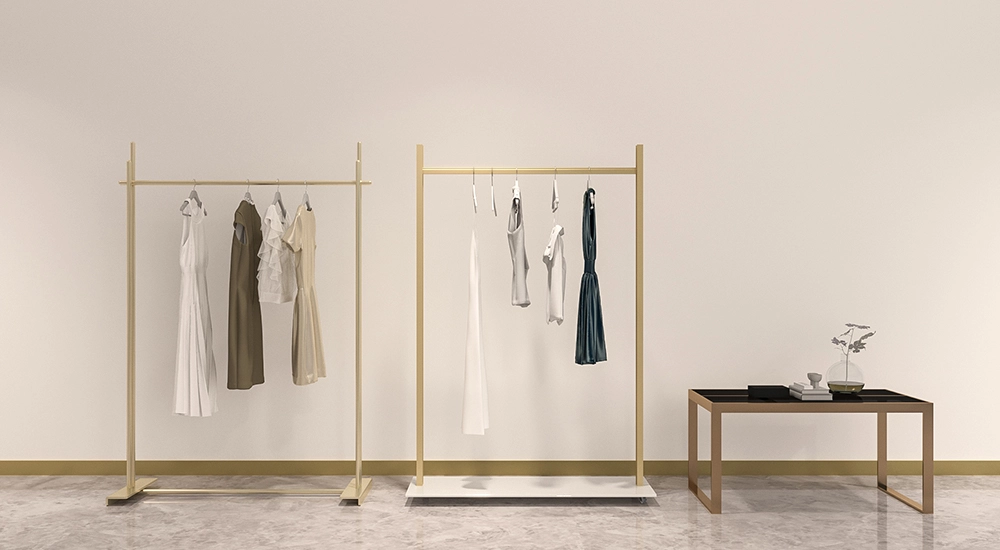
FLEEK
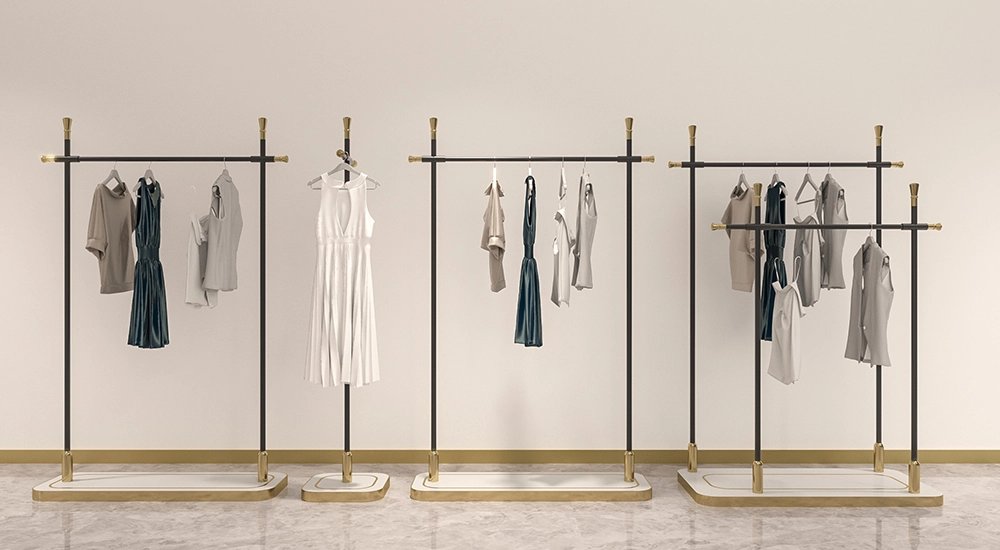
Elegant gold free-standing custom clothing display rack set with multi-function display table
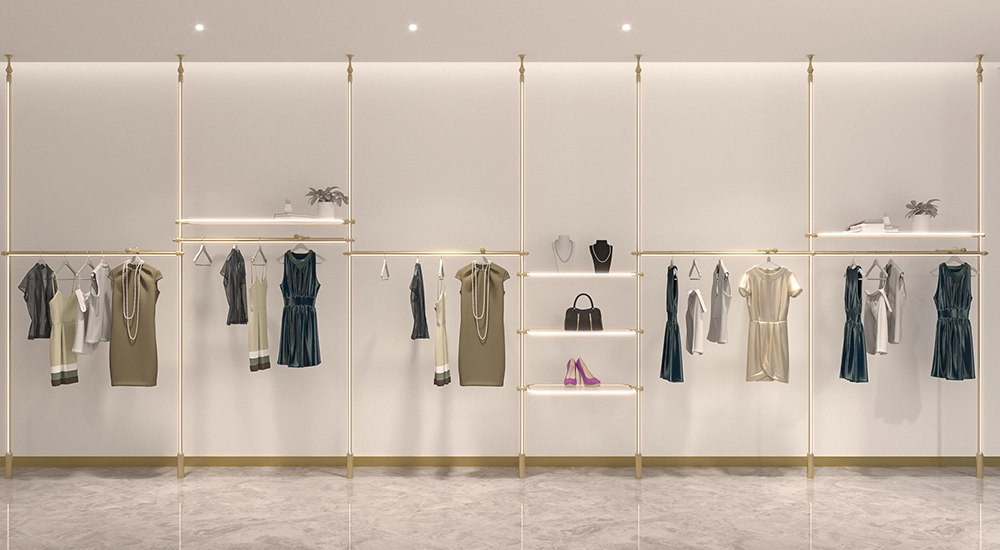
BRIX
Gold Wall-Mounted Modular Clothing Display System with Multi-Tier clothing display rack
LOOP
RYLOR
Start your journey with us
Are you ready to improve your store operations with our display systems?
Get started today.
Copyright © 2024 RUMIS All Rights Reserved. Designed by Gooeyun

Facebook
LinkedIn
Instagram