

Retail Display Wall Systems 2026: Smart Modular Walls That Maximize Store Profitability
In the competitive landscape of brick-and-mortar retail, your perimeter walls are your most valuable silent salespeople. Modular perimeter shelving and advanced wall systems do more than hold product; they dictate traffic flow, influence dwell time, and directly impact revenue per square foot. As we move into 2026, the shift from static shelving to intelligent, data-integrated display networks is redefining how brands engage customers.
What is a Retail Display Wall System?
A retail display wall system is a modular, vertical framework—comprising tracks, panels, or uprights—engineered to maximize merchandising density and flexibility along a store's perimeter. These systems transform passive structural walls into active selling zones by allowing retailers to rapidly reconfigure shelving, hooks, and signage without requiring construction work.
While traditional shelving is static, modern systems are designed for agility. They serve as the backbone of visual merchandising systems, enabling brands to adapt to seasonal inventory shifts instantly. For global manufacturers like Guangdong Meicheng Smart Building Co., Ltd (Brand: RUMIS), this versatility is paramount. With over 10 years of experience serving fashion retailers in more than 60 countries, RUMIS has demonstrated that a robust wall system must balance heavy load capacities with high-end aesthetic customization.
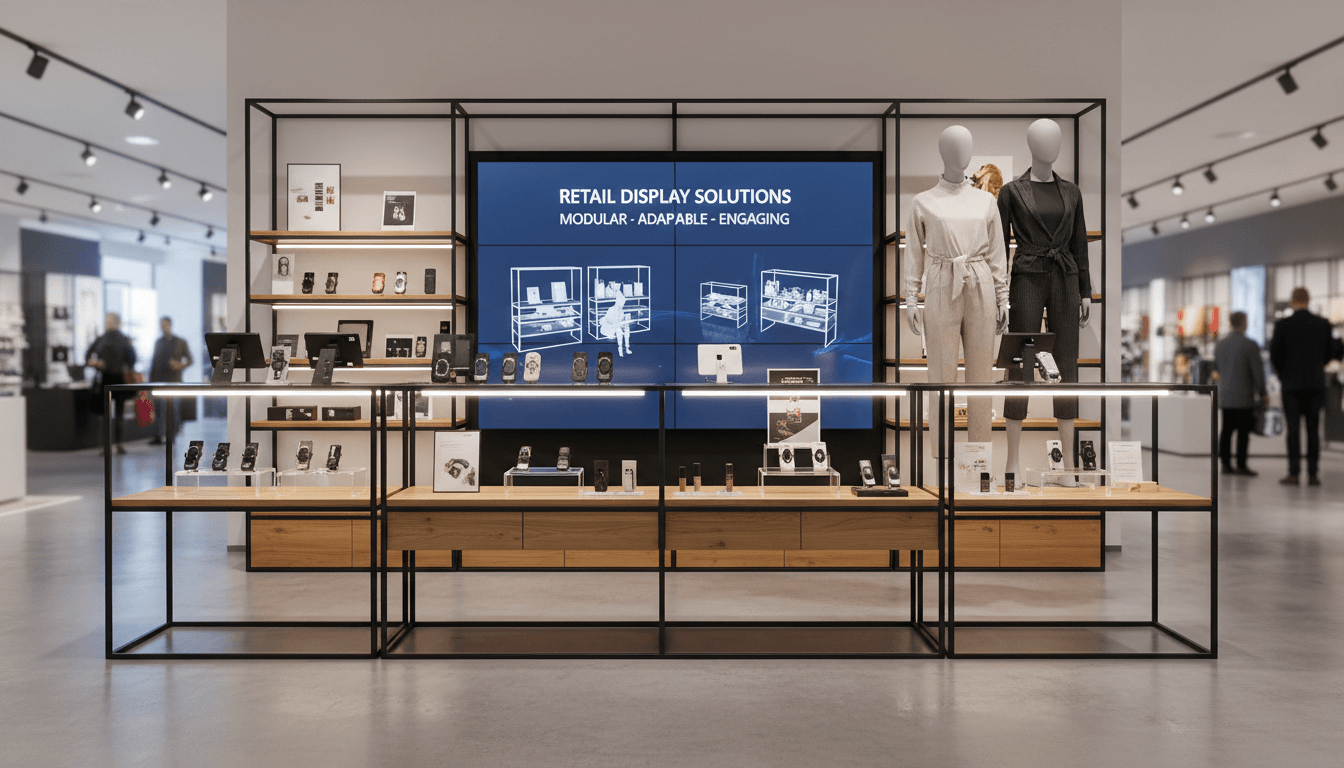
Core Components
- Standards/Uprights: The vertical metal channels anchored to the wall.
- Brackets: Adjustable arms that support shelves or hangrails.
- Back Panels: Aesthetic backdrops often made of slatwall, wood, or fabric.
- Faceouts: Forward-facing bars that display apparel frontage to customers.
Quick Summary: Which System Fits Your Store?
Selecting the right hardware depends entirely on your merchandise weight, turnover rate, and brand aesthetic. Slatwall offers maximum versatility for varied products, while industrial pipe systems cater to boutique, rugged branding.
Hardware Comparison
- Slatwall: Best for high-density SKUs (Stock Keeping Units) and accessories. It offers a clean, panel-based look.
- Gridwall: Ideal for pop-ups and lightweight retail wall fixtures. It is portable, durable, and cost-effective.
- Twin Slot Systems: The gold standard for heavy loads (e.g., hardware, grocery, denim stacks) due to dual-locking brackets.
- Industrial Pipe: Perfect for streetwear and vintage boutiques requiring a permanent, robust aesthetic.
The Evolution of Wall Systems: 2026 Trends and Innovations
The retail wall of 2026 is no longer just wood and metal; it is a sustainable, tech-integrated interface. Modern systems are adopting "Smart-Grid" capabilities, where the shelving structure itself conducts low-voltage electricity to power LED shelf lights and Electronic Shelf Labels (ESL).
According to recent market analysis, the smart shelves market is projected to reach nearly $9.7 billion by 2029, driven by the need for real-time inventory tracking and dynamic pricing. Furthermore, sustainability is reshaping material choices. Data from Statista indicates that 66% of consumers now prefer eco-friendly brands, pushing manufacturers toward carbon-neutral fixtures.
Key 2026 Innovations
- Eco-Modular Materials: Adoption of recycled aluminum and mycelium-based composites to meet green building standards.
- Smart-Grid Integration: Built-in power tracks that eliminate messy cabling for digital signage and shelf lighting.
- Hybrid Fulfillment Zones: Wall units designed to function simultaneously as browsing displays and rapid "click-and-collect" pick-up stations.
Comparing Top Hardware: Slatwall vs. Gridwall vs. Twin Slot
When choosing between slatwall and gridwall hardware, retailers must weigh aesthetic flexibility against structural durability. Slatwall provides a polished, high-end finish suitable for fashion, whereas Gridwall offers utilitarian function best suited for temporary setups.
Twin Slot systems (often called localized shelving) offer a middle ground, providing high strength with a minimalist visual footprint. This allows the product to dominate the visual field rather than the fixture itself.
Critical Performance Factors
- Structural Load: Twin Slot systems often outperform Slatwall in heavy-duty environments (like hardware stores) because the weight is transferred directly to the vertical studs rather than a composite panel.
- Visual Texture: Slatwall allows for 3D textured inserts (wood grain, brick, concrete), offering superior branding potential over wire grids.
- Maintenance: Gridwall resists dust accumulation effectively, whereas Slatwall grooves require regular vacuuming to maintain a premium look.
Strategic Visual Merchandising: Expert Tips for ROI
Effective visual merchandising systems leverage human psychology to increase basket size. The physical layout of your wall system should guide the eye in a 'Z' pattern, moving from high-margin hero products at the top to high-volume staples at the bottom.
Recent statistics highlight the power of display execution: 80% of shoppers base their buying decisions on what they see in-store, and strategic window displays can boost foot traffic by up to 23%.
ROI-Driven Layout Rules
- Eye-Level is Buy-Level: Place high-margin items between 4 and 6 feet from the floor (the "Strike Zone").
- Vertical Storytelling: Use the top 2 feet of wall space for large-format graphics or signage to draw customers from across the store.
- Color Blocking: Arrange products by color vertically to reduce cognitive load, making it easier for customers to process the assortment.
Case Study: Scaling with Modular Solutions
In a recent project involving commercial wall display units for a fast-growing fashion chain, the limitations of fixed joinery became apparent. The retailer needed to expand rapidly across different store footprints without redesigning fixtures for every location.
Leveraging the expertise of RUMIS (Guangdong Meicheng Smart Building Co., Ltd), the client implemented a bespoke modular rack solution. RUMIS, known for its customized solutions for fashion retail manufacturers, engineered a system that allowed for "overnight resets." This meant store staff could completely change the wall layout from hanging rails to folded shelving in under an hour, without tools.
Results of the Modular Strategy
- Installation Speed: Setup time for new stores was reduced by 40% due to the pre-fabricated modular design.
- Flexibility: The client successfully managed seasonal inventory shifts (e.g., heavy winter coats to light summer dresses) using the same base hardware.
- Cost Efficiency: Long-term capital expenditure decreased as the fixtures were durable enough to be reused in future locations.
Common Mistakes in Wall System Planning
Even the most expensive hardware fails if the underlying infrastructure is ignored. A common oversight is neglecting the Lighting Factor. Research shows that areas of a store lit by focused LED sources can see sales increases of up to 6% compared to ambient-lit areas.
Pitfalls to Avoid
- Overloading Weight Limits: failing to anchor standards into studs. Drywall anchors alone cannot support fully stocked shelving units.
- Poor Lighting: Relying solely on ceiling lights leaves lower shelves in shadow. Integrated shelf lighting is essential for modern retail.
- Static Layouts: Bolting units permanently to the wall prevents the "refreshes" necessary to keep the store environment feeling new.
Frequently Asked Questions (FAQ)
How much does a retail wall display system cost per linear foot?
Costs typically range from $15 to $60 per linear foot, depending heavily on the material (wire vs. acrylic vs. wood) and the weight capacity required.
Which is better for apparel: Slatwall or Gridwall?
Slatwall is generally preferred for apparel boutiques due to its cleaner lines and ability to hide mounting hardware, whereas Gridwall is often used for economy or outlet settings.
How do I install a retail wall system on drywall?
For safety, vertical standards must be anchored directly into wall studs. If studs are unavailable, industrial-grade toggle bolts may be used for lighter loads, but this is not recommended for heavy merchandise.
What is the weight capacity of twin slot shelving?
When properly anchored into studs, heavy-duty twin slot systems can support between 100 to 200 lbs per shelf, making them ideal for dense hard goods.
Can I use retail wall systems for home organization?
Yes, systems like slatwall and track shelving are increasingly popular in residential garages and home offices for their durability and adjustability.
How do retail wall displays improve sales?
They utilize vertical real estate to increase SKU density, ensuring more products are at eye level—which is statistically proven to increase product interaction and conversion.
Are modular wall systems worth the investment?
Yes, while the upfront cost may be higher than fixed shelving, the ability to reconfigure layouts without purchasing new fixtures saves significant money over the store's lease term.
How often should I update my retail wall displays?
Major resets should align with seasonal inventory changes (quarterly), but micro-merchandising updates (swapping faceouts or graphics) should occur every 2-4 weeks to maintain customer interest.
References
Retail Fixtures Market Size, Share & Report 2035
Retail Displays Market Size, Research, Evaluation & Forecast
- What is a Retail Display Wall System?
- Core Components
- Quick Summary: Which System Fits Your Store?
- Hardware Comparison
- The Evolution of Wall Systems: 2026 Trends and Innovations
- Key 2026 Innovations
- Comparing Top Hardware: Slatwall vs. Gridwall vs. Twin Slot
- Critical Performance Factors
- Strategic Visual Merchandising: Expert Tips for ROI
- ROI-Driven Layout Rules
- Case Study: Scaling with Modular Solutions
- Results of the Modular Strategy
- Common Mistakes in Wall System Planning
- Pitfalls to Avoid
- Frequently Asked Questions (FAQ)
- How much does a retail wall display system cost per linear foot?
- Which is better for apparel: Slatwall or Gridwall?
- How do I install a retail wall system on drywall?
- What is the weight capacity of twin slot shelving?
- Can I use retail wall systems for home organization?
- How do retail wall displays improve sales?
- Are modular wall systems worth the investment?
- How often should I update my retail wall displays?
- References
Recommended for you
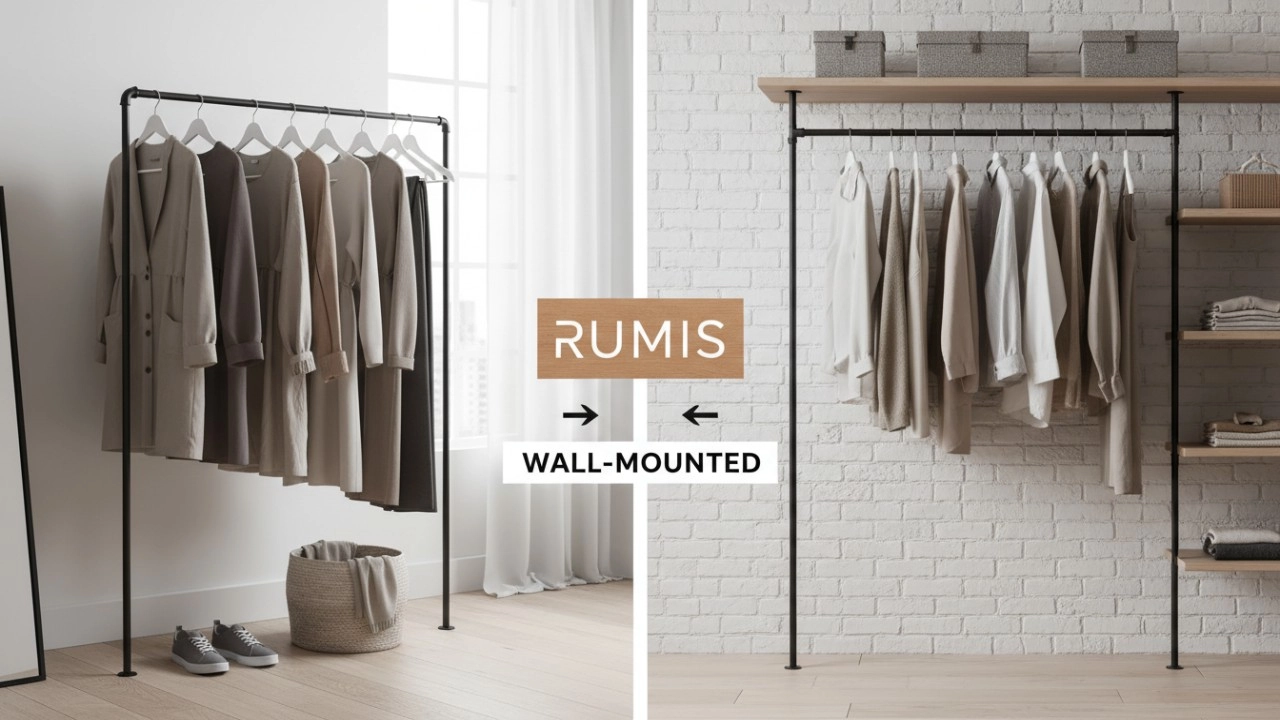
Freestanding vs. Wall-Mounted: Optimizing Customer Traffic Flow with the Right Racks in 2026
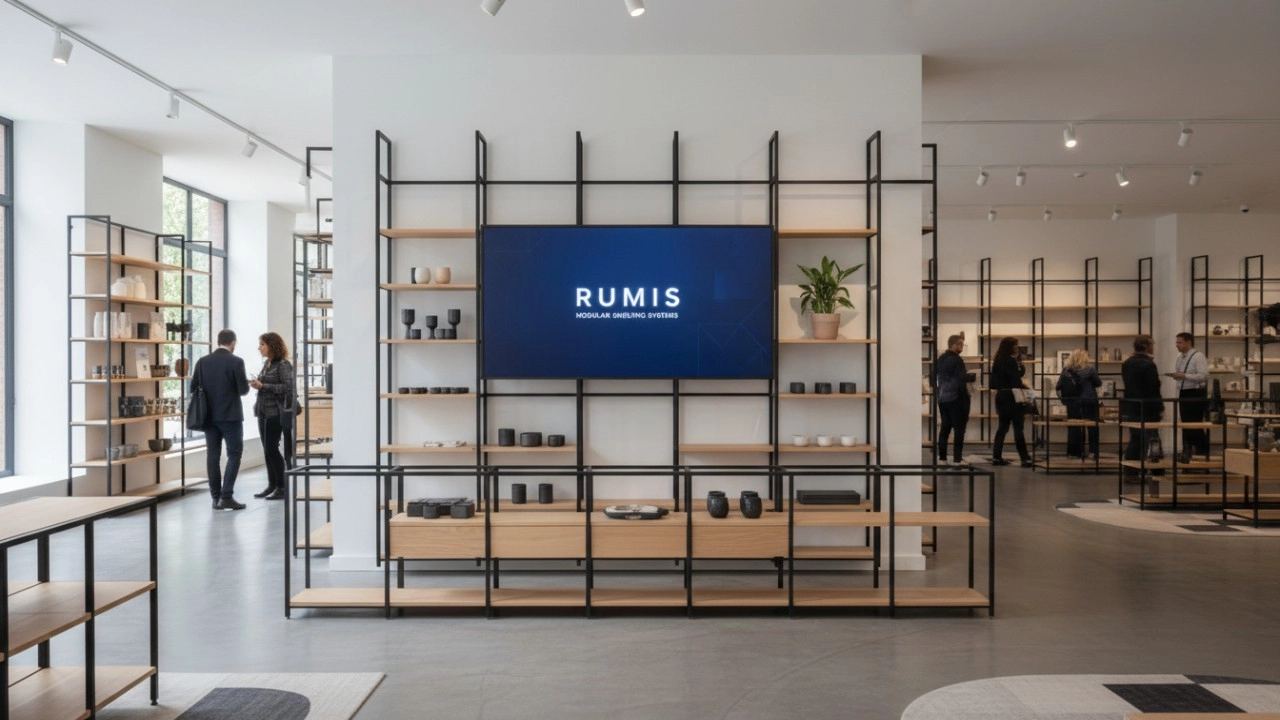
How Modular Retail Shelving Systems Adapt to Fast-Changing Seasonal Inventory in 2026
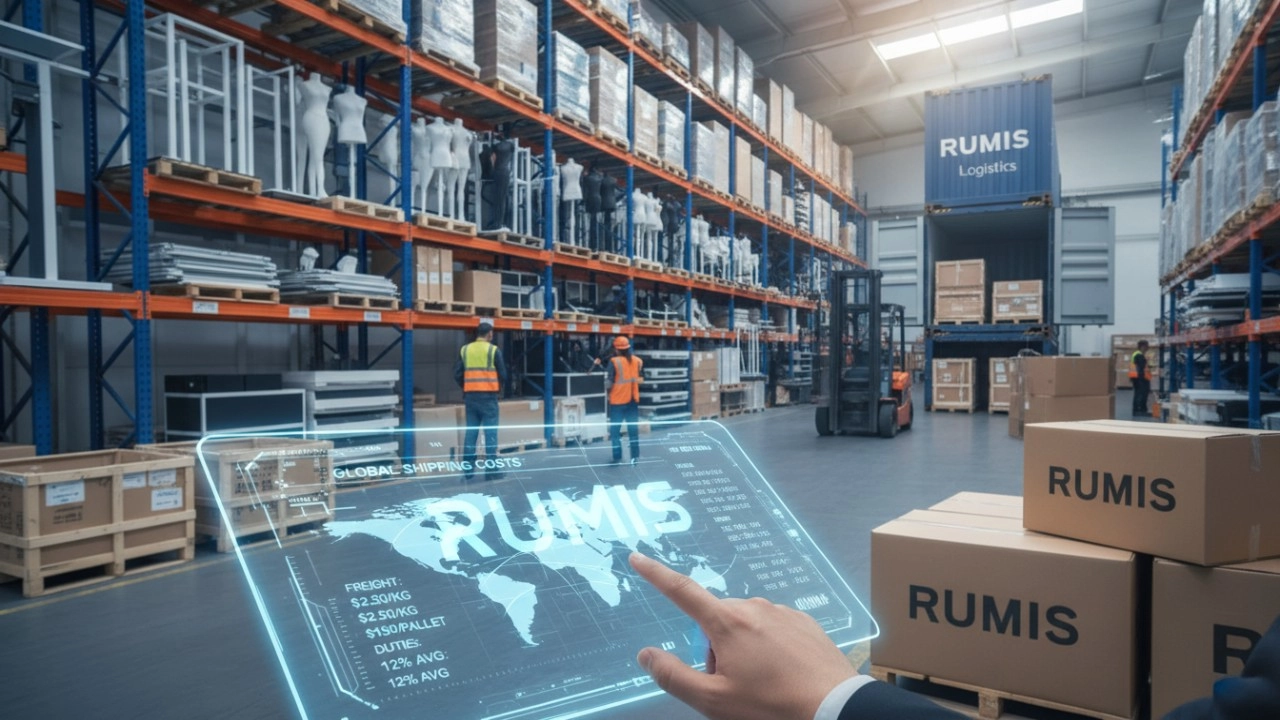
5 Strategies to Slash Freight Costs When Ordering Bulk Retail Fixtures in 2026
Navigating Minimum Order Quantities (MOQ) for Wholesale Display Racks in 2026
A Buyer's Blueprint for Importing Store Fixtures from China Safely (2026 Guide)
FAQ
What information should I provide for the initial custom clothes display rack consultation?
Provide your brand guidelines, store dimensions, budget, and any specific design preferences for modular shopfitting systems.
How long does it take to receive a customized display clothes rack order?
The turnaround time for custom clothes display rack orders varies depending on the complexity of the request and our current production schedule. We will provide you with an estimated timeline when you place your order.
Do you provide shipping and delivery services for a frame display stands?
Yes, we offer reliable shipping and delivery services for fashion clothing rack displays, working with trusted logistics partners to guarantee prompt delivery.
Can your display racks be reconfigured after installation?
Absolutely. Our display racks are designed for flexibility and can be easily reconfigured to adapt to new layouts and displays.
What types of customization options are available for your products?
We offer a wide range of customization options for your customized display clothes rack, including color matching, material selection, and finish processing. Inquire for more details.
You may also like
TINT
RYLOR
FLEEK
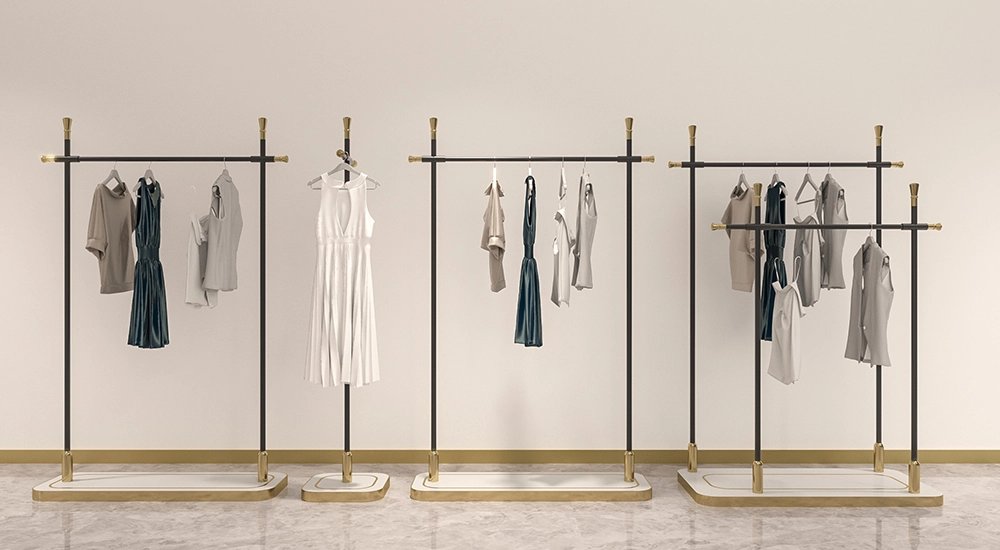
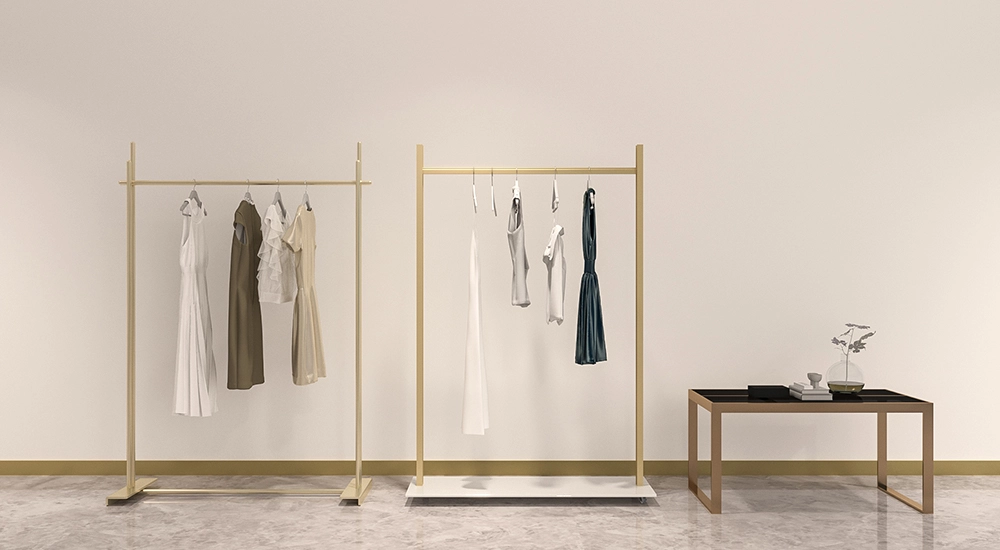
Elegant gold free-standing custom clothing display rack set with multi-function display table
VISO
Start your journey with us
Are you ready to improve your store operations with our display systems?
Get started today.
Copyright © 2024 RUMIS All Rights Reserved. Designed by Gooeyun

Facebook
LinkedIn
Instagram