

The Strategic Aspects That Define an Effective Retail Display System
A comprehensive guide on optimizing retail display systems for 2026, covering physical fixtures, digital integration, and sustainability. Learn how to elevate customer experience and drive sales with expert strategies and data-backed insights.
What Defines an Effective Retail Display System Aspect?
An effective retail display system aspect is a specific design, functional, or strategic element within a store environment that directly influences product visibility, customer engagement, and sales performance. Unlike isolated fixtures, a "system aspect" functions as part of a cohesive strategy—integrating physical structures like gondolas or mannequins with psychological triggers like lighting, color theory, and digital interactivity to guide consumer behavior.
To master this, retailers must move beyond simple shelving. A holistic approach ensures that every square foot of retail space is not only visually captivating but also operationally efficient and adaptable to rapid market changes. By focusing on these interconnected aspects, brands can transform passive browsing into active purchasing.
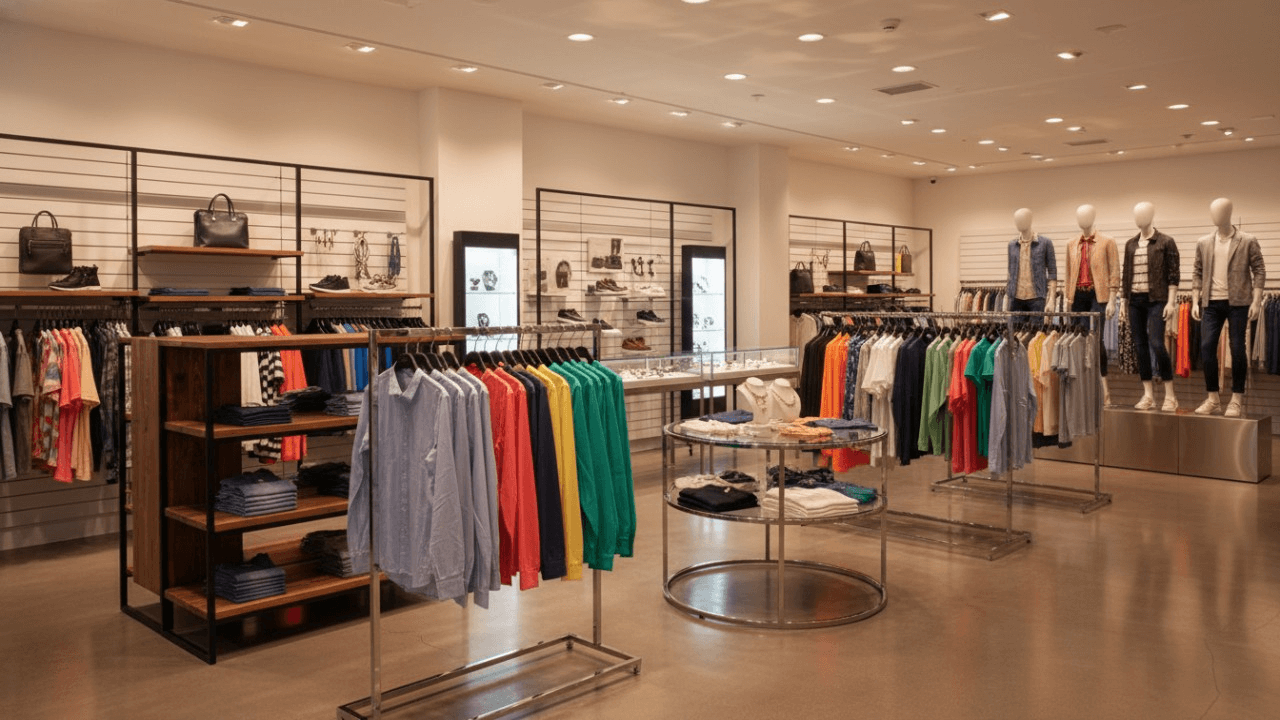
Key Takeaways: Your Blueprint for Retail Display Success
· Holistic Design: Successful systems integrate physical fixtures, visual aesthetics, and digital layers.
· Customer-Centric: Prioritizing navigation and interactivity increases dwell time and conversion rates.
· Data-Backed: Optimizing store layout can boost sales by up to 15%, according to recent McKinsey data.
· Future-Ready: Sustainability and modularity are non-negotiable for 2026 and beyond.
The Foundational Pillars: Core Physical & Visual Aspects
Display Fixture Versatility & Durability
Retail store fixtures are the structural backbone of visual merchandising, providing the physical framework required to present inventory securely and attractively. High-quality fixtures must balance aesthetic appeal with the rugged durability needed to withstand daily high-traffic wear and tear.
Choosing the right fixture type is critical for maximizing floor utility:
· Gondolas & Slatwalls: Ideal for high-density product stocking with adjustable shelving.
· Mannequins & Forms: Essential for fashion retail to demonstrate fit and style.
· Custom Racks: RUMIS provides bespoke solutions for fashion retailers, offering tailored display racks that align perfectly with brand identity while ensuring long-term durability.
· Modularity: Select systems that allow for easy reconfiguration. As inventory shifts between seasons, your fixtures should adapt without requiring a full renovation.
Aesthetic Appeal & Brand Consistency
Visual appeal is the immediate sensory hook that captures a shopper's attention within the first few seconds of entering a store. This aspect goes beyond "looking good"—it involves the strategic application of color psychology, lighting, and spatial balance to evoke specific emotions.
· Lighting Strategy: Use a mix of ambient (general), accent (focal), and task (functional) lighting. Well-lit displays can increase product engagement significantly.
· Color Theory: Align display colors with brand guidelines to build recognition. Consistent use of logo placement and signature colors reinforces brand identity.
· Material Selection: The texture and finish of your fixtures communicate value. Sleek metals suggest modernity, while wood grains imply sustainability and warmth.
Strategic & Operational Aspects: Driving Engagement & Efficiency
Customer Experience & Flow Optimization
Store layout optimization is the strategic arrangement of fixtures and pathways to control shopper movement and maximize exposure to merchandise. A well-optimized layout reduces friction, prevents bottlenecks, and subconsciously guides customers toward high-margin items.
According to recent industry analysis, stores with optimized layouts see a tangible lift in sales performance. Key strategies include:
· The Decompression Zone: Keep the entrance clear to allow shoppers to transition from the outside world.
· Loop vs. Grid: Choose a layout that fits your inventory. Grid layouts work for efficiency (grocery), while loop layouts encourage browsing (apparel).
· Accessibility: Ensure pathways are wide enough for strollers and wheelchairs, enhancing comfort for all shoppers.
Product Positioning & Merchandising Strategies
Visual merchandising strategies involve the deliberate placement of products to highlight features, benefits, and cross-selling opportunities. This aspect turns a static shelf into a silent salesperson by suggesting usage contexts and complementary purchases.
· Rule of Three: Group items in odd numbers to create visual interest.
· Pyramid Principle: Arrange products in a triangular shape to keep the eye moving from top to bottom.
· Cross-Merchandising: Place shirts next to accessories or shoes to suggest full outfits, increasing average transaction value.
· Focal Points: Create eye-level "hero" displays at the end of aisles (endcaps) to disrupt the shopper's journey and introduce new arrivals.
Space Management & Maximization
Space management refers to the efficient utilization of vertical and horizontal real estate to balance inventory density with visual breathing room. Overcrowding can lead to the "butt-brush effect," where shoppers leave a display if they feel their personal space is invaded.
· Vertical Merchandising: Utilize high walls for signage or storage to free up floor space for interactive displays.
· Hot & Cold Zones: Identify high-traffic areas (hot zones) for bestsellers and use lighting or signage to draw traffic to dead corners (cold zones).
· Checkout Areas: Utilize the cash wrap for small, high-margin impulse buys.
Technological Aspects: Innovating Retail Displays by 2026
Digital Integration & Interactive Displays
Digital display integration is the process of embedding technology like touchscreens, QR codes, and smart signage directly into physical fixtures to bridge the gap between online and offline shopping. As we approach 2026, the retail environment is becoming increasingly "phygital."
Recent statistics indicate that retailers using digital signage experience an average sales increase of up to 32%.
· Smart Screens: Allow customers to browse endless aisles or check inventory availability in real-time.
· Augmented Reality (AR): Smart mirrors can show customers how makeup or clothing looks without physically trying it on.
· Interactive Kiosks: Facilitate self-checkout or product customization, reducing wait times and empowering the shopper.
Data-Driven Display Optimization
Data-driven optimization involves using sensors and analytics software to track how customers interact with displays, enabling evidence-based adjustments. Instead of guessing what works, retailers can now rely on hard metrics.
· Heat Mapping: Visualize where customers walk and pause most frequently.
· Dwell Time Analysis: Measure how long a shopper stands in front of a specific customer engagement display.
· A/B Testing: Trial two different display arrangements and use sales data to determine the winner.
Sustainability & Future-Proofing Aspects for Modern Retail
Eco-Friendly Materials & Practices
Sustainable retail design focuses on minimizing environmental impact through the lifecycle of the display system, from sourcing raw materials to end-of-life disposal. With 66% of global consumers now favoring sustainable brands, this is a commercial imperative.
· Material Choices: Opt for bamboo, recycled metals, or reclaimed wood over virgin plastics.
· Modular Lifecycles: Design fixtures that can be disassembled and recycled rather than sent to a landfill.
· Energy Efficiency: Switch to low-energy LED lighting systems to reduce operational carbon footprints.
Adaptability & Scalability
Scalability in retail displays ensures that the system can grow and evolve alongside the brand without requiring complete replacement. In a volatile market, the ability to pivot quickly is a massive competitive advantage.
RUMIS excels in this area, providing systems that have covered more than 60 countries. Their scalable solutions allow fashion retailers to expand their footprint while maintaining consistent branding across diverse global locations. By using modular components, retailers can refresh their look seasonally with minimal cost.
The Implementation Aspect: Partnering for Bespoke Retail Solutions
Choosing the Right Display Partner
Selecting a manufacturing partner requires evaluating their ability to deliver custom, high-quality solutions that meet specific industry standards and timelines. A generic supplier often lacks the nuance required for specialized sectors like high-end fashion.
Key criteria include:
· Global Reach: Ability to ship and install across multiple regions.
· Design Capability: In-house design teams that can translate brand vision into technical drawings.
· Material Expertise: Knowledge of diverse materials to balance cost and quality.
RUMIS: Your Partner in Customized Fashion Retail Display Systems
RUMIS stands out as a premier partner for customized fashion retail solutions. With over 10 years of experience as a leading manufacturer, they specialize in bespoke display racks for clothing stores.
Whether you need a complete store fit-out or specific individual clothing displays, their expertise ensures that the physical environment elevates the merchandise. Their track record of serving businesses in over 60 countries demonstrates their capability to handle both small boutique projects and large-scale retail rollouts with equal precision.
Expert Tips & Common Mistakes in Retail Display Systems
Expert Tips
· Tell a Story: Group products by theme (e.g., "Summer Beach Trip") rather than just category.
· Engage the Senses: Incorporate tactile materials and appropriate background music.
· Refresh Often: Rotate front-of-store displays every 2-3 weeks to maintain novelty for repeat customers.
· Use Data: If a display looks great but isn't selling, move it.
Common Mistakes
· Cluttering: Placing too much stock on a rack decreases perceived value.
· Poor Lighting: Dark corners kill sales; ensure products are spotlighted.
· Inconsistent Branding: Mixing mismatched fixture styles confuses the customer.
· Blocking Sightlines: Tall displays in the center of the store can make the space feel smaller and hide other departments.
Measuring Success: The Performance Aspect of Your Display System
Key Metrics for ROI
Measuring the Return on Investment (ROI) of a display system is essential to justify the capital expenditure. Tangible metrics help retailers understand the direct financial impact of their visual merchandising efforts.
· Sales per Square Foot: The gold standard for retail efficiency.
· Conversion Rate: The percentage of visitors who make a purchase.
· Average Transaction Value (ATV): Does the display encourage larger basket sizes?
· Traffic Counts: Is the window display effectively drawing people into the store?
Continuous Optimization
The retail landscape is never static, and neither should be your display strategy. Continuous optimization involves a cycle of auditing, testing, and refining your approach based on performance data and emerging trends.
By staying agile and partnering with experienced manufacturers like RUMIS, retailers can ensure their display systems remain a powerful asset that drives growth well into 2026.
References
The ever-changing store: Taking an agile, customer-centric approach to format redesign
Adapting to the next normal in retail: The customer experience imperative
Reimagining the role of physical stores in an omnichannel distribution network
Retail store layout optimization for maximum product visibility
- What Defines an Effective Retail Display System Aspect?
- Key Takeaways: Your Blueprint for Retail Display Success
- The Foundational Pillars: Core Physical & Visual Aspects
- Display Fixture Versatility & Durability
- Aesthetic Appeal & Brand Consistency
- Strategic & Operational Aspects: Driving Engagement & Efficiency
- Customer Experience & Flow Optimization
- Product Positioning & Merchandising Strategies
- Space Management & Maximization
- Technological Aspects: Innovating Retail Displays by 2026
- Digital Integration & Interactive Displays
- Data-Driven Display Optimization
- Sustainability & Future-Proofing Aspects for Modern Retail
- Eco-Friendly Materials & Practices
- Adaptability & Scalability
- The Implementation Aspect: Partnering for Bespoke Retail Solutions
- Choosing the Right Display Partner
- RUMIS: Your Partner in Customized Fashion Retail Display Systems
- Expert Tips & Common Mistakes in Retail Display Systems
- Expert Tips
- Common Mistakes
- Measuring Success: The Performance Aspect of Your Display System
- Key Metrics for ROI
- Continuous Optimization
- References
Recommended for you
Navigating Minimum Order Quantities (MOQ) for Wholesale Display Racks in 2026
A Buyer's Blueprint for Importing Store Fixtures from China Safely (2026 Guide)
From Sketch to Floor: Demystifying the Custom Clothing Rack Manufacturing Process in 2026
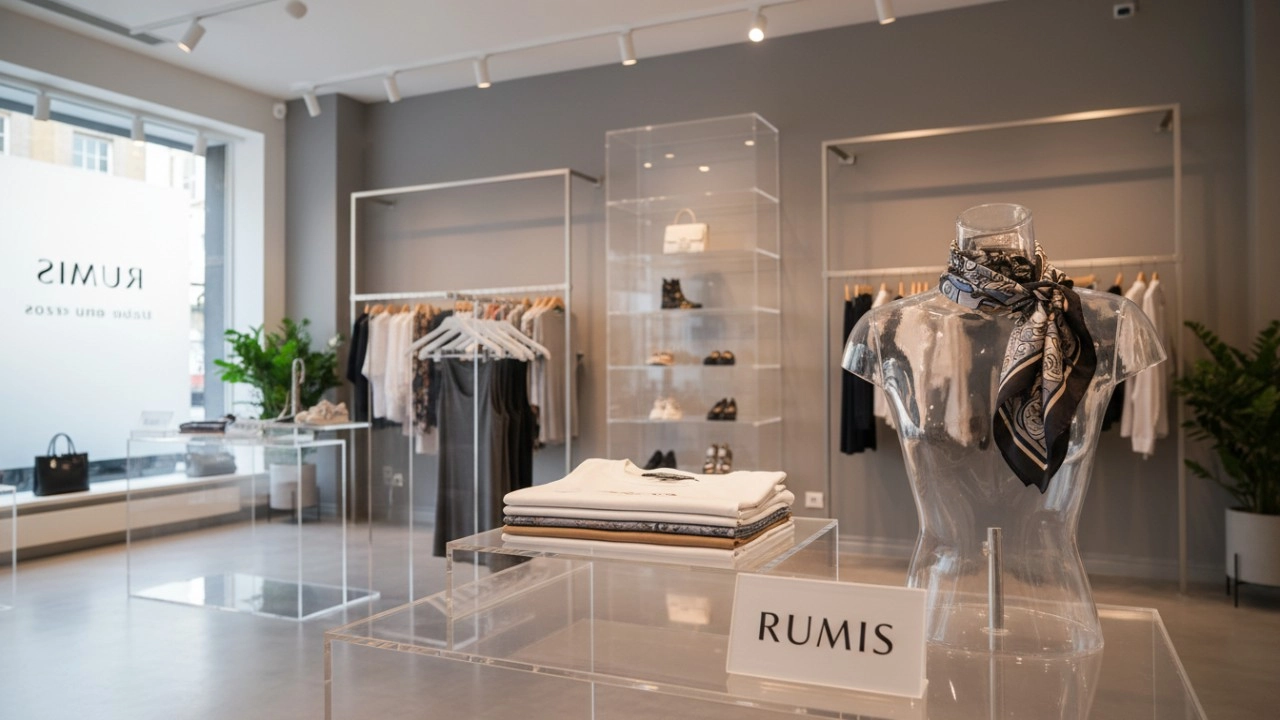
The Impact of Acrylic Retail Clothing Displays on Luxury Store Interiors (2026 Guide)
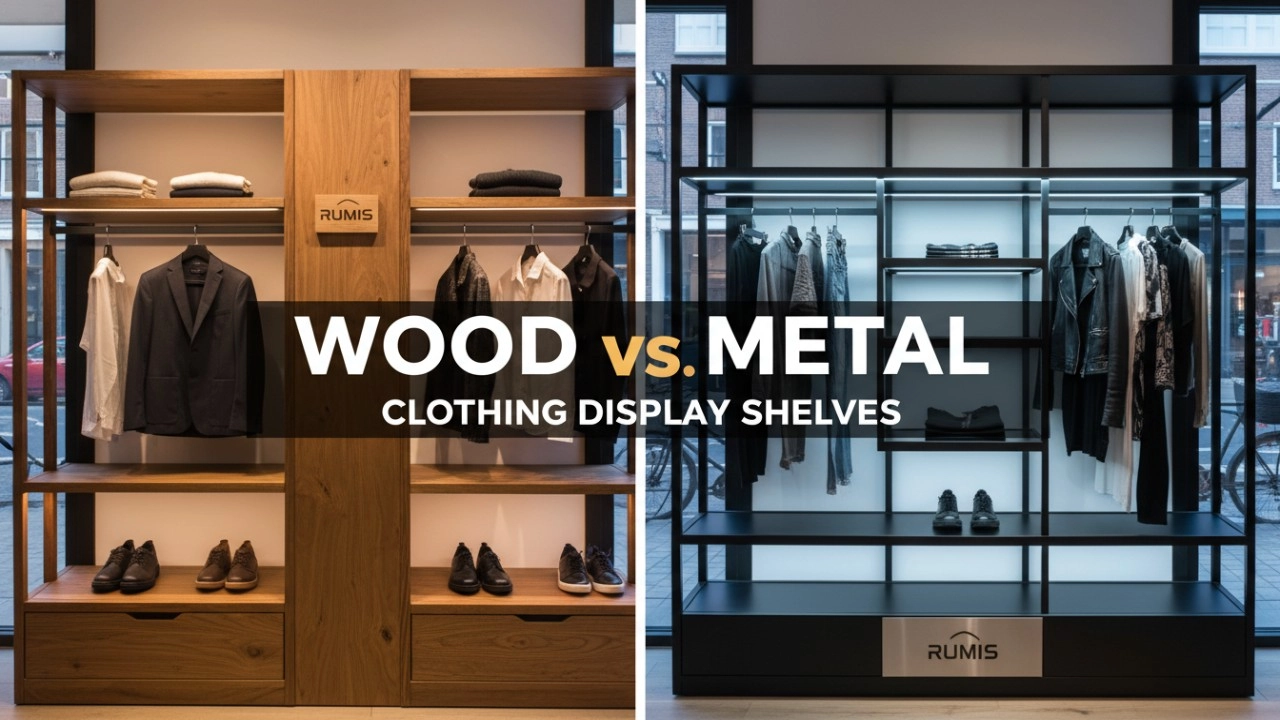
Wood vs. Metal: Material Selection Strategies for High-End Boutiques in 2026
FAQ
Can your clothing shelves display wall rack be used for pop-up shops?
Absolutely. Our display racks are designed for flexibility and can be easily reconfigured to adapt to new layouts and displays.
Can you provide design mock-ups or prototypes before retail clothing store displays production?
Absolutely! We offer design mock-ups and prototypes to ensure that our clients are satisfied with the final retail clothing store displays product before proceeding with production.
Are the display racks compatible with different types of fashion merchandise?
Yes, our display racks are designed to accommodate a wide range of fashion merchandise, from clothing to accessories.
Can your display racks be reconfigured after installation?
Absolutely. Our display racks are designed for flexibility and can be easily reconfigured to adapt to new layouts and displays.
What types of customization options are available for your products?
We offer a wide range of customization options for your customized display clothes rack, including color matching, material selection, and finish processing. Inquire for more details.
You may also like
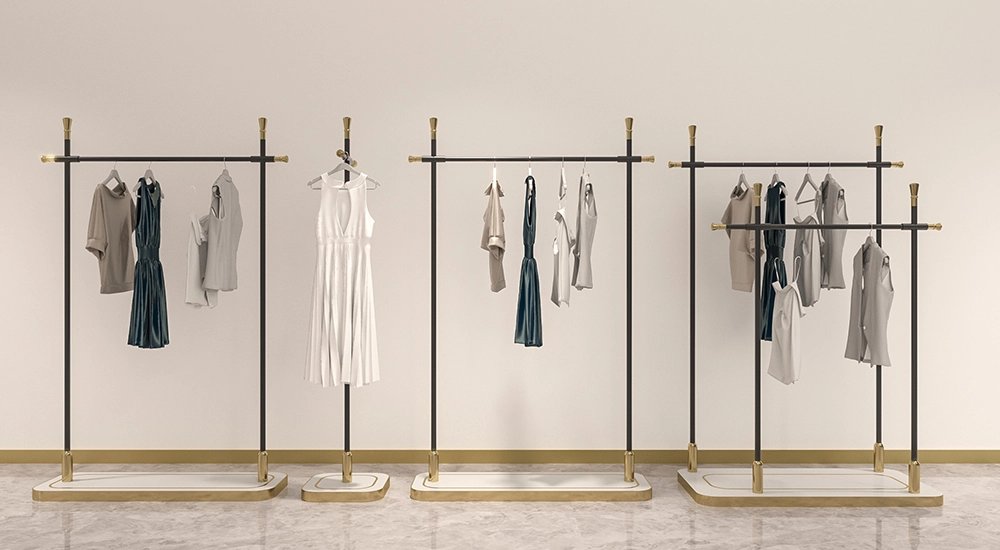
RYLOR
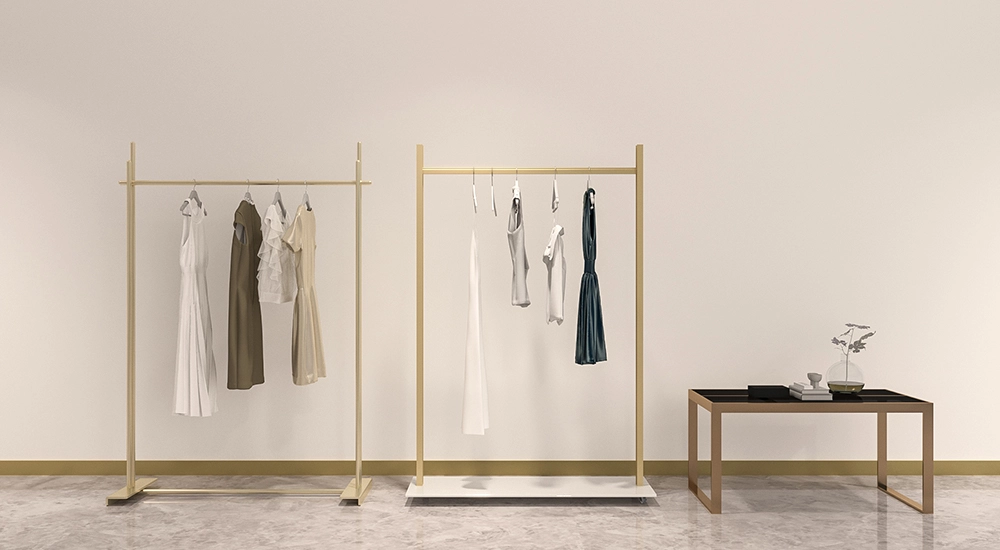
FLEEK
Elegant gold free-standing custom clothing display rack set with multi-function display table
VISO
STAX
Start your journey with us
Are you ready to improve your store operations with our display systems?
Get started today.
Copyright © 2024 RUMIS All Rights Reserved. Designed by Gooeyun

Facebook
LinkedIn
Instagram