

Transform Your Store: The Ultimate Guide to Modular Retail Display Systems
In the fast-evolving landscape of modern commerce, agility is paramount. This comprehensive guide explores the transformative power of modular retail display systems, detailing how flexible store fixtures and reconfigurable merchandising can revolutionize your business. From minimizing long-term costs to enabling rapid layout changes for pop-up shops, we delve into the strategic advantages, key components, and selection criteria for these dynamic tools. Learn how to create engaging, adaptable environments that keep pace with consumer trends.
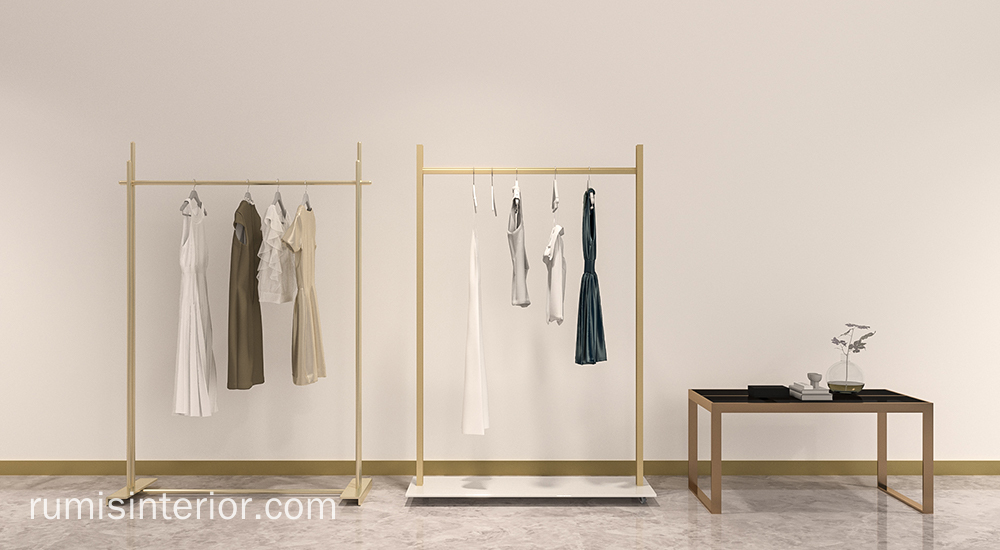
In an era where consumer preferences shift overnight and the retail landscape is defined by constant change, the rigidity of traditional store layouts is becoming a liability. Retailers today face a dual challenge: they must create immersive, brand-centric experiences while maintaining the operational agility to adapt to new trends, seasonal inventories, and evolving shopping behaviors. Enter modular retail display systems—the architectural answer to the demands of modern commerce.
Gone are the days when shop fitting meant permanent carpentry and immovable heavy fixtures. Today, flexible store fixtures and customizable retail displays are empowering business owners to treat their floor space as a dynamic canvas rather than a static container. Whether you are managing a flagship boutique, a high-traffic convenience store, or a temporary activation, understanding the mechanics and benefits of reconfigurable merchandising is essential for staying competitive. This guide dives deep into the world of modular systems, exploring how they function, why they save money, and how they can elevate your brand presentation.
What are Modular Retail Display Systems?
At their core, modular retail display systems are built on a design philosophy of interoperability and adaptation. Unlike bespoke, fixed joinery that is built for a single purpose and location, modular systems consist of standardized components—uprights, beams, panels, and connectors—that can be assembled, disassembled, and rearranged in a multitude of configurations.
Think of these systems as the "Lego" sets of the retail world, but designed with architectural precision and high-end aesthetics. The defining characteristic of these systems is their scalability. A retailer might start with a simple wall unit and, as inventory grows, easily expand that same unit into a floor-standing gondola or a complex island display using the same core hardware.
Key distinctions from traditional fixtures include:
· Interchangeability: Components from the same system line are universally compatible, allowing for endless mixing and matching.
· Tool-Free Assembly: Many modern systems utilize engineered locking mechanisms that require no heavy tools, making them distinct from the labor-intensive construction of the past.
· Sustainability: Because they are reusable and reconfigurable, they generate significantly less waste than traditional fixtures that must be demolished during a remodel.
The Transformative Benefits of Modular Displays for Modern Retailers
Adopting shop fitting solutions based on modularity is not just an aesthetic choice; it is a strategic financial and operational decision. The benefits extend far beyond the initial installation.
1. Unmatched Agility & Adaptability
In the world of fast fashion and rapid tech cycles, speed is currency. Modular systems allow store managers to rapidly adjust layouts to accommodate new product launches or seasonal shifts. If a specific product line is underperforming, the display can be downsized or moved to a different zone in minutes. This is particularly vital for pop-up shop displays, where the entire store might need to be set up in a single day and taken down just as quickly.
2. Significant Cost-Efficiency
While the initial investment in high-quality modular hardware can be comparable to custom carpentry, the long-term ROI is superior. Retail agility solutions eliminate the need to purchase new fixtures every time the store needs a refresh. Instead of paying for demolition and new construction, you simply purchase a few new accessories or graphics to refresh the existing frame. Furthermore, the reduced labor costs associated with easy assembly and disassembly contribute to a healthier bottom line.
3. Enhanced Product Presentation
Visual merchandising systems are designed to make the product the hero. Modular systems often feature sleek, minimalist profiles that recede into the background, allowing the merchandise to pop. With the ability to adjust shelf heights and accessory placement with precision, retailers can optimize the visual density of their displays, ensuring products are always presented at the ideal eye level and reach.
4. Stronger Brand Storytelling
Modern consumers buy into stories, not just products. Modular systems excel at integrating brand narratives. Frames can be fitted with magnetic graphics, lightboxes, or digital screens that can be updated instantly. This allows retailers to change the "mood" of the store to match a campaign without changing the physical structure.
5. Operational Simplicity
Perhaps the most practical benefit is the ease of use. Staff members do not need to be construction experts to move a shelf or add a hang bar. This operational simplicity empowers floor staff to maintain the visual standards of the store proactively, keeping the environment fresh and organized without waiting for a specialized maintenance crew.
Exploring Key Components and Types of Modular Systems
To leverage modern retail displays effectively, it is helpful to understand the different architectural approaches available in the market.
Wall-Mounted Solutions
Efficient use of vertical space is critical for maximizing sales per square foot. Modular wall systems include:
· Slatwalls and Gridwalls: The industry workhorses, offering high density for hanging items.
· Perimeter Tracks: discreet uprights embedded in or mounted on walls that accept various brackets and shelves for a cleaner, high-end look.
· Pegboard Systems: ideal for smaller items and accessories, offering high visibility and easy access.
Freestanding & Portable Units
These are the central nervous system of the store floor.
· Gondolas: The classic double-sided aisle fixture, now available in sleek, modular designs.
· Modular Counters: Checkout areas that can be reconfigured or expanded.
· Display Islands and Plinths: Adaptable platforms for highlighting feature products or mannequins.
Fabric Graphic Displays
A major trend in visual merchandising systems is the integration of Silicone Edge Graphics (SEG). These are lightweight fabric graphics that tuck into the frame of the modular system. They allow for massive, vibrant, high-resolution imagery that can be swapped out by store staff in minutes, transforming the visual atmosphere of the store instantly.
Specialized Accessories
The versatility of a modular system is defined by its accessories. A single upright system might support:
· Tempered glass or wood shelving.
· Face-out hang bars for apparel.
· Anti-theft hooks for electronics.
· Acrylic bins for loose items.
· Integrated LED lighting strips to highlight premium goods.
How to Choose the Right Modular System for Your Retail Space
With countless shop fitting solutions available, selecting the right one requires a strategic approach.
1. Evaluate Your Business Needs
Start with your inventory. Does your product range change size frequently (e.g., a clothing store shifting from summer tees to winter coats)? Do you need open shelving or secure cabinets? Consider your store traffic flow and how often you anticipate changing the layout.
2. Material and Durability
The aesthetic of the system must match your brand voice.
· Industrial/Urban: Look for raw steel, pipe systems, or matte black finishes.
· Luxury/Boutique: Opt for chrome, brushed brass, or systems that integrate high-quality wood veneers.
· Durability: Ensure the materials can withstand the wear and tear of a high-traffic retail environment. Metal systems generally offer the best longevity.
3. Design & Customization Options
Even off-the-shelf modular systems should offer some level of customization. Look for providers that offer powder coating in custom RAL colors to match your brand palette. Check if the system allows for the integration of custom signage or digital elements.
4. Ease of Expansion & Integration
Think about the future. If you open a second location or expand your current one, can you easily buy more of the same components? Choose a system from a reputable manufacturer with a track record of continuity, ensuring you won't be left with obsolete hardware in two years.
5. Supplier Support
The best hardware is useless without support. Partner with providers who offer design assistance (CAD drawings of your layout), fast lead times, and responsive customer service. For easy assembly store displays, clear instruction manuals and video guides are a must.
Real-World Impact: Success Stories in Modular Retail
The theoretical benefits of modularity translate into tangible results across various sectors.
Fashion Retailers & Boutiques Fashion brands are perhaps the biggest beneficiaries of modularity. A boutique might use the same fixtures to display hanging dresses in the spring and then convert those fixtures to heavy shelving for folded denim in the fall. During sale periods, modular racks can be wheeled to the front to create "impulse zones," driving clearance sales without cluttering the store.
Consumer Electronics Electronics stores utilize modular systems to manage the rapid turnover of tech gadgets. Adaptable security mounts and integrated cable management systems allow these retailers to swap out an iPhone display for an iPad display without rewiring the entire wall. This speed is critical during high-pressure product launch weeks.
Pop-Up Shops and Events Brands utilizing temporary spaces rely entirely on pop-up shop displays. A DTC (Direct-to-Consumer) brand testing physical retail can pack an entire store's worth of modular fixtures into a van, set up in a rented space for a weekend, and achieve a premium look that rivals permanent competitors. This ability to "pop up" with high-quality presentation builds immediate trust with new customers.
Conclusion
The retail environment is no longer about building a monument to your brand; it is about building a living, breathing ecosystem that evolves with your customers. Modular retail display systems are no longer a luxury for the indecisive; they are a strategic necessity for the competitive. By investing in reconfigurable merchandising and flexible store fixtures, retailers gain the power to adapt instantly, reduce long-term overheads, and create dynamic environments that captivate shoppers.
Whether you are looking to streamline operations, reduce renovation costs, or simply keep your visual merchandising fresh, the solution lies in the smart application of modularity. Embrace these systems to build a store that is ready not just for today's grand opening, but for tomorrow's challenges.
Frequently Asked Questions (FAQ)
What exactly makes a retail display system "modular"?
Modular systems are composed of standardized, interchangeable components that function like a kit of parts. Unlike fixed furniture, these parts (uprights, shelves, brackets) can be easily combined, reconfigured, and expanded to create different structures. This design philosophy allows retailers to make dynamic changes to store layouts and product presentations without construction work.
Are modular display systems difficult to assemble?
No, this is one of their primary advantages. Most modern retail displays are designed for quick, tool-free, or minimal-tool assembly. They often utilize simple connectors, slot-based uprights, or interlocking mechanisms. This ease of assembly significantly reduces setup time and labor costs compared to traditional shop fitting.
Can modular displays be customized to my brand?
Absolutely. While the structural components are standardized, customization is a key feature. Systems can be tailored with specific powder-coated colors, wood finishes, and material choices. Furthermore, graphic elements, headers, signage, and integrated lighting can be easily added to reflect your unique brand identity.
How do modular displays save money for retailers?
They offer substantial long-term cost savings. Because the components are reusable and reconfigurable, you avoid the capital expense of purchasing new fixtures for every store refresh or layout change. Additionally, the reduced labor required for setup, teardown, and updates lowers operational costs. Their adaptability also means fewer materials are wasted on obsolete displays.
What types of products are best suited for modular displays?
Modular retail display systems are highly versatile and suitable for almost any product category. They excel in environments requiring frequent merchandising changes, such as fashion (changing collection lengths), electronics (changing device sizes), and seasonal goods. They are also excellent for maximizing storage and display density in small or evolving retail footprints.
How quickly can I reconfigure a modular display?
Reconfiguration speed is a major benefit. Simple changes, like moving a shelf height, take seconds. More complex changes, like converting a hanging rail section to a shelving unit or changing a graphic panel, can typically be done in minutes. This agility supports rapid responses to marketing campaigns or sudden inventory shifts.
Are modular systems durable enough for long-term use?
Yes, reputable modular systems are engineered for commercial durability. They are typically constructed from high-grade metals (steel or aluminum) and robust composites designed to withstand the wear and tear of high-traffic retail environments and repeated assembly/disassembly. High-quality systems often come with warranties ensuring their reliability over years of use.
Can modular displays be used for temporary events like pop-up shops?
They are the industry standard for temporary retail. Their portability, lightweight nature, and ease of setup make them ideal for pop-up shop displays, trade shows, and exhibitions. They allow a brand to set up a professional, fully branded retail environment in a temporary space quickly and cost-effectively.
- What are Modular Retail Display Systems?
- The Transformative Benefits of Modular Displays for Modern Retailers
- 1. Unmatched Agility & Adaptability
- 2. Significant Cost-Efficiency
- 3. Enhanced Product Presentation
- 4. Stronger Brand Storytelling
- 5. Operational Simplicity
- Exploring Key Components and Types of Modular Systems
- Wall-Mounted Solutions
- Freestanding & Portable Units
- Fabric Graphic Displays
- Specialized Accessories
- How to Choose the Right Modular System for Your Retail Space
- 1. Evaluate Your Business Needs
- 2. Material and Durability
- 3. Design & Customization Options
- 4. Ease of Expansion & Integration
- 5. Supplier Support
- Real-World Impact: Success Stories in Modular Retail
- Conclusion
- Frequently Asked Questions (FAQ)
- What exactly makes a retail display system "modular"?
- Are modular display systems difficult to assemble?
- Can modular displays be customized to my brand?
- How do modular displays save money for retailers?
- What types of products are best suited for modular displays?
- How quickly can I reconfigure a modular display?
- Are modular systems durable enough for long-term use?
- Can modular displays be used for temporary events like pop-up shops?
Recommended for you
Why Your Display in Retail is Failing: 7 Critical Errors and How to Fix Them Now
How to Choose a Clothing Display Rack That Boosts Your Sales by 30% (2026 Guide)
The Future of Retail Display Racks: Smart, Sustainable, and Modular Solutions
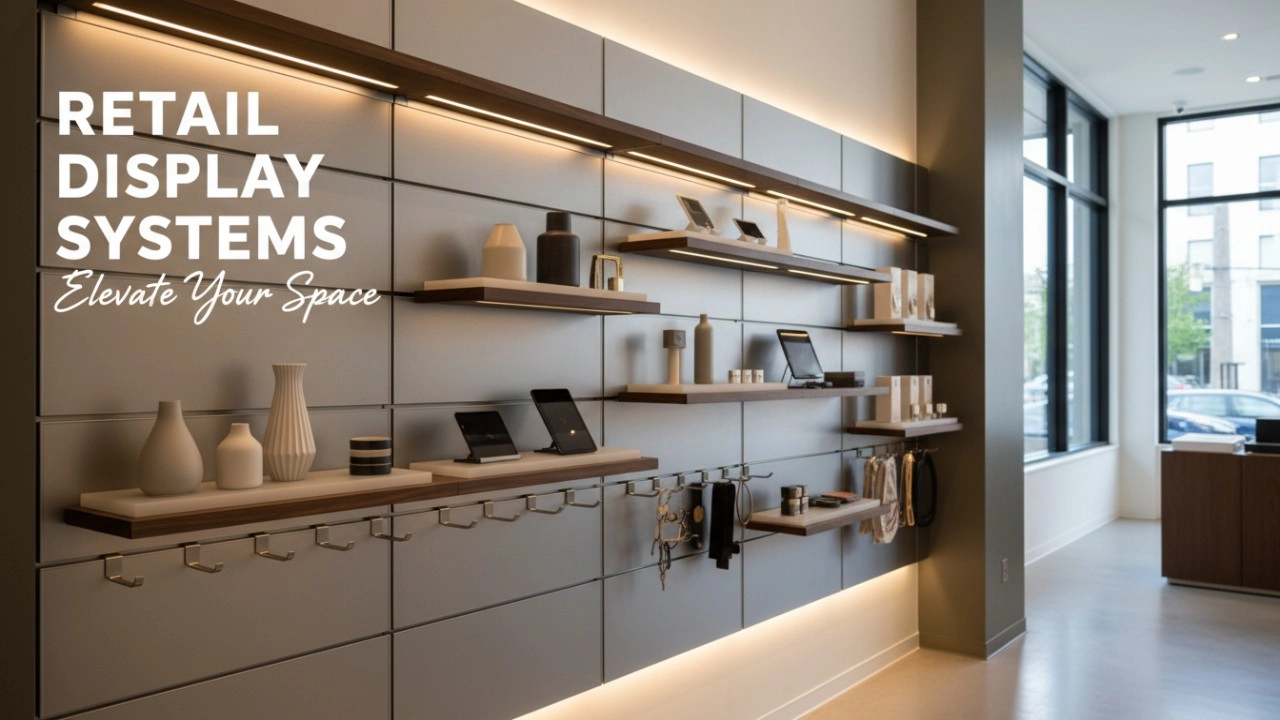
Retail Display Wall Systems 2026: Smart Modular Walls That Maximize Store Profitability
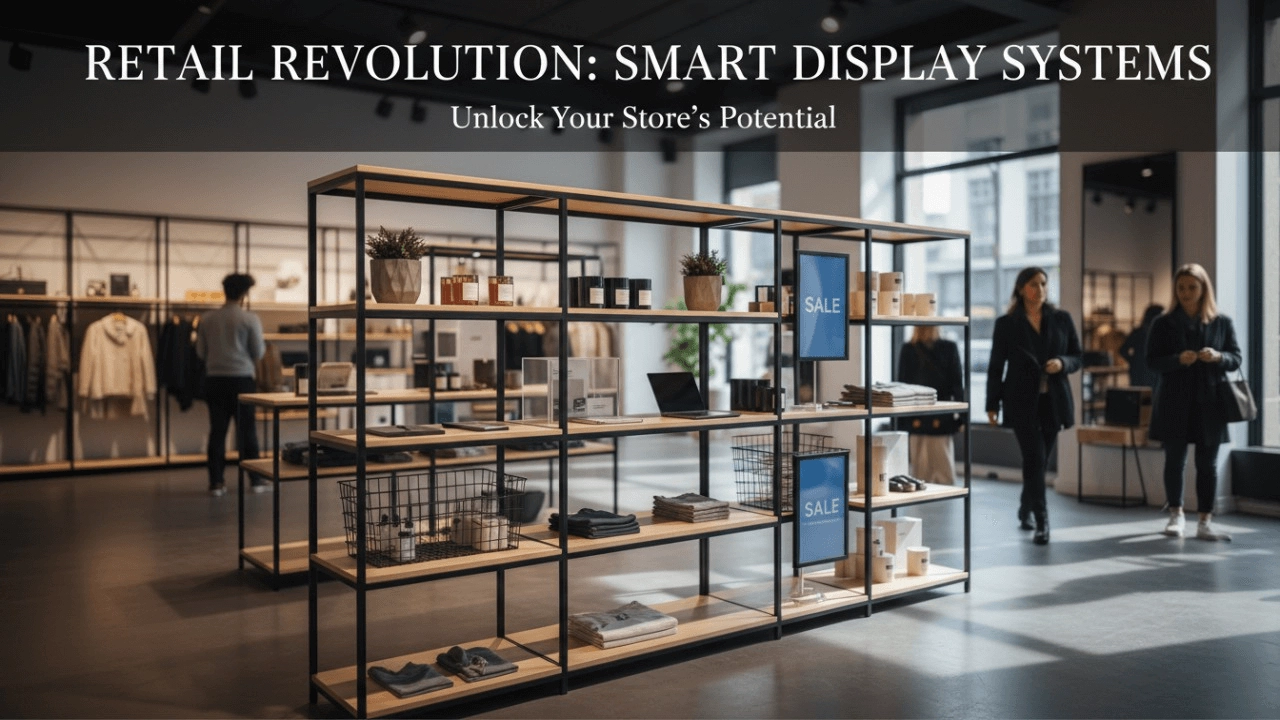
The Strategic Aspects That Define an Effective Retail Display System
FAQ
What information should I provide for the initial custom clothes display rack consultation?
Provide your brand guidelines, store dimensions, budget, and any specific design preferences for modular shopfitting systems.
Can You Assist with Design Revisions for Commercial Clothing Rack Display?
Sure! As your design preferences evolve, we’re here to support revisions, ensuring complete satisfaction with our modular retail display system.
Can your display racks be reconfigured after installation?
Absolutely. Our display racks are designed for flexibility and can be easily reconfigured to adapt to new layouts and displays.
What types of customization options are available for your products?
We offer a wide range of customization options for your customized display clothes rack, including color matching, material selection, and finish processing. Inquire for more details.
Can your clothing shelves display wall rack be used for pop-up shops?
Absolutely. Our display racks are designed for flexibility and can be easily reconfigured to adapt to new layouts and displays.
You may also like
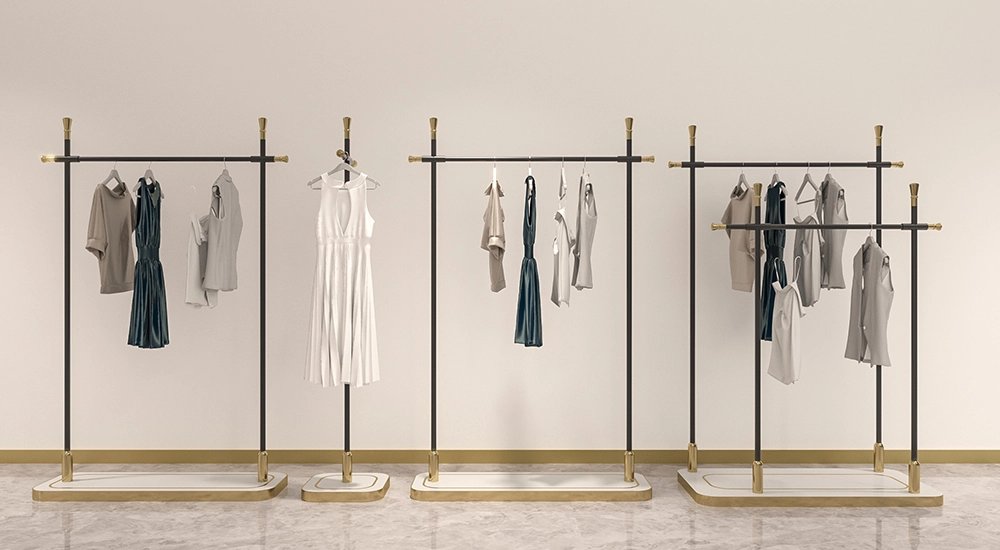
RYLOR
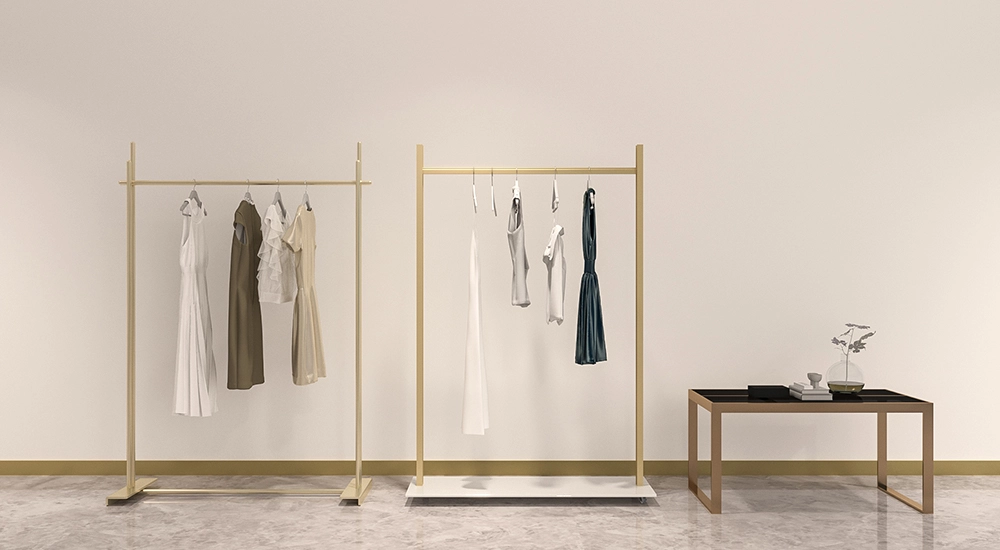
FLEEK
Elegant gold free-standing custom clothing display rack set with multi-function display table
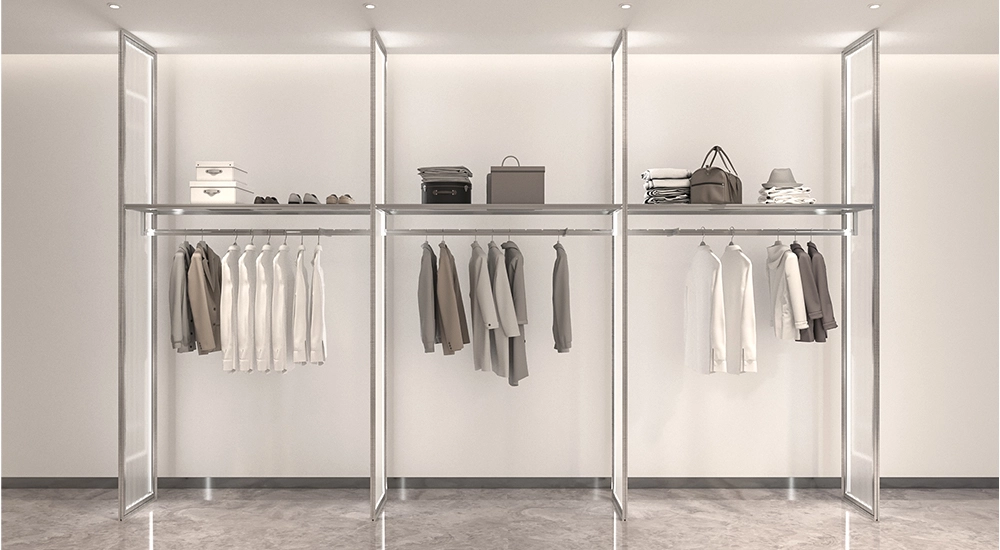
VISO
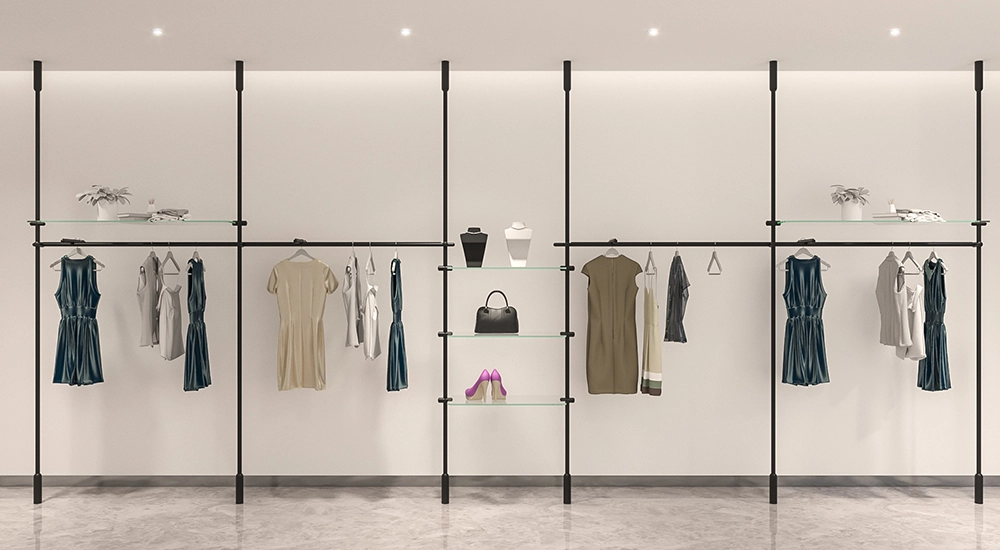
STAX
Start your journey with us
Are you ready to improve your store operations with our display systems?
Get started today.
Copyright © 2024 RUMIS All Rights Reserved. Designed by Gooeyun

Facebook
LinkedIn
Instagram