Complete Guide: What is the Difference Between a Rack and a Shelf?

2025-02-12
Discover the key differences between a rack and a shelf with RUMIS' Complete Guide. Learn about their distinct features, functionalities, and ideal uses in various settings. Optimize your storage solutions and make informed choices. Explore now to enhance your organizational skills and maximize space efficiency. Unlock clarity with RUMIS.

Preface

When it comes to storage solutions, understanding the difference between a rack and a shelf is essential for both functionality and efficiency. While both serve the purpose of holding items, their design, usage, and applications vary significantly. This article will explore the key distinctions, answer common questions, and provide insights into how to choose the right storage solution for your needs.

Understanding Racks and Shelves

LUXA-Shelf02+Rack01
 
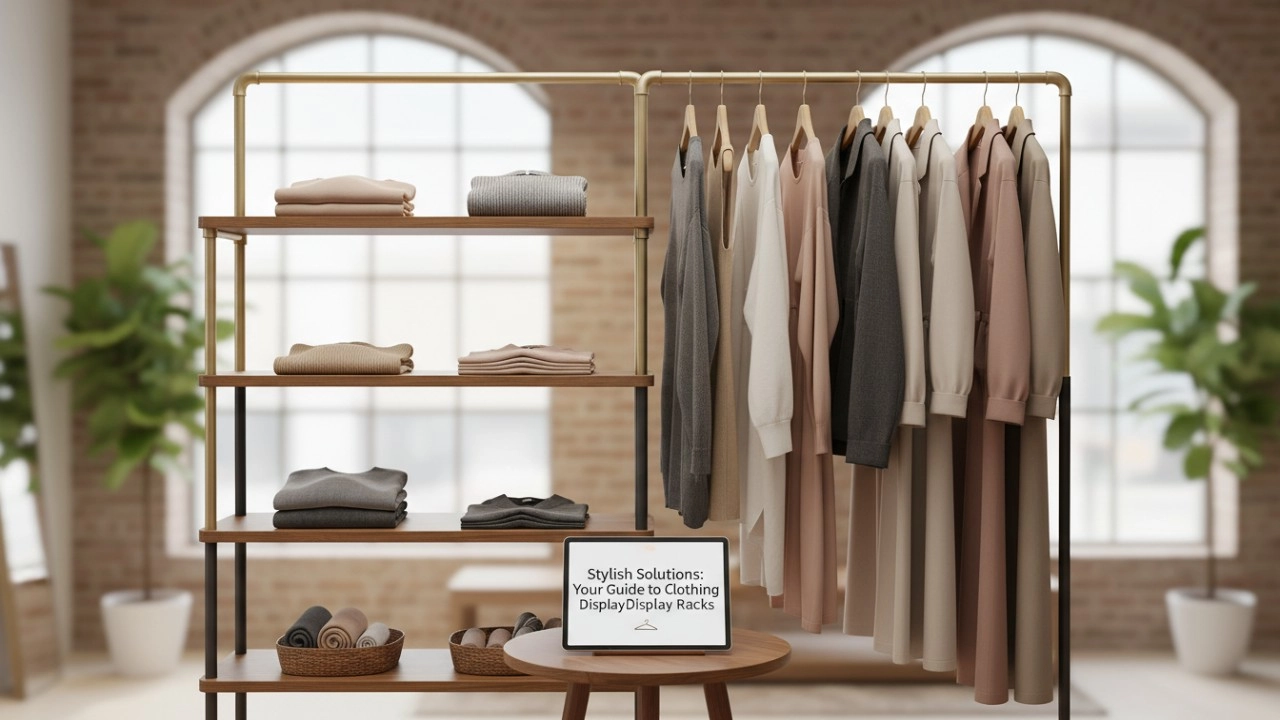
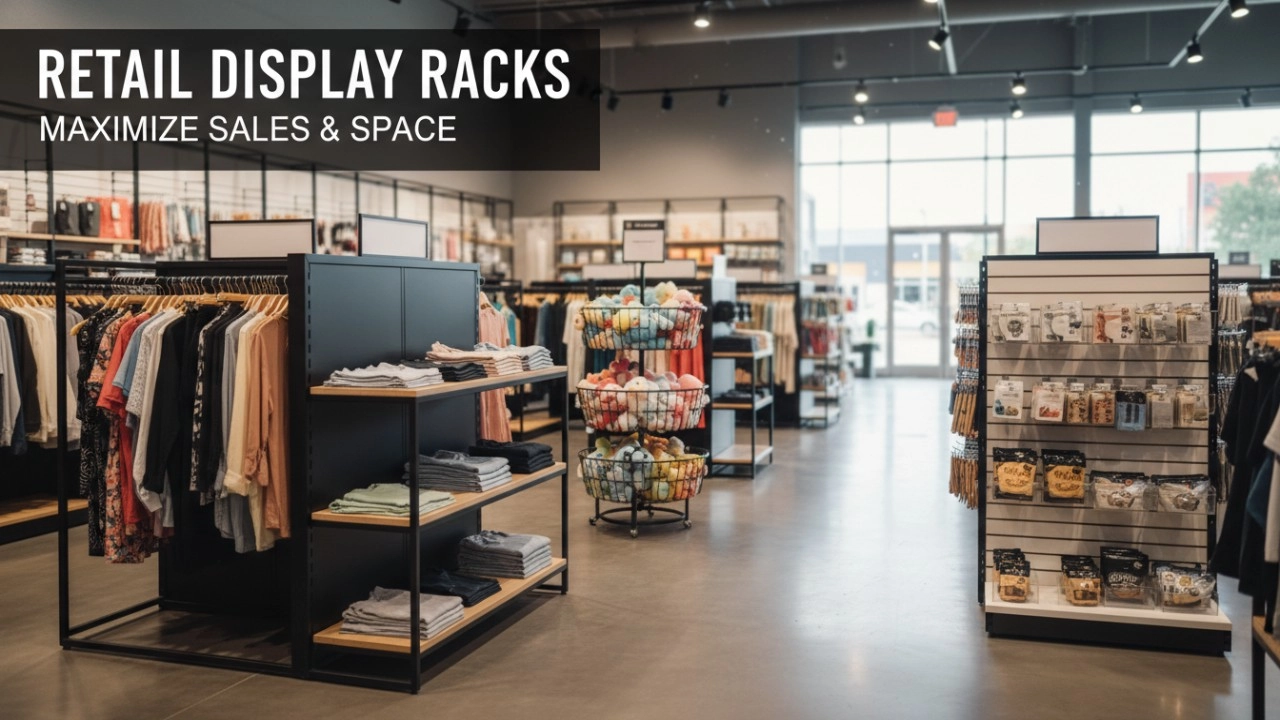
A rack is a structural framework designed to hold or store items, often featuring multiple levels or shelves. Racks are typically used for heavier or bulkier items and are commonly found in warehouses, data centers, and retail environments. Examples include pallet racks, server racks, and clothing racks.
 
On the other hand, a shelf is a flat, horizontal surface used to hold items. Shelves are usually part of a larger structure like a bookcase or cabinet and are ideal for storing lighter items such as books, decorations, or small products. They are commonly used in homes, offices, and retail spaces.

What is the Difference Between a Rack Table and a Shelf?

A rack table combines the functionality of a table with the storage capacity of a rack. It often features a flat surface for use as a table and a rack-like structure underneath for additional storage. This makes it a versatile piece of furniture for both work and organization.
 
In contrast, a shelf is a standalone flat surface used primarily for holding items. While a rack table serves dual purposes, a shelf is designed solely for storage and display. For example, a bookshelf is used to store books, while a rack table might be used in a workshop to hold tools and provide a workspace.

What is a Shelf in a Rack?

A shelf in a rack refers to one of the horizontal surfaces within the rack structure. These shelves can be adjustable or fixed, allowing for customization based on the items being stored. For instance, in a server rack, shelves are used to hold servers and other IT equipment securely.
 
The inclusion of shelves in a rack enhances its functionality by providing organized storage space. This is particularly useful in environments like warehouses, where different-sized items need to be stored efficiently.

What are the Three Types of Racks?

Racks come in various types, each designed for specific purposes. The three most common types are:
  1. Pallet Racks: Used in warehouses for storing palletized goods. They are sturdy and can handle heavy loads.
  2. Server Racks: Designed to house servers and IT equipment in data centers. They often include features like cooling systems and cable management.
  3. Cantilever Racks: Ideal for storing long, bulky items such as pipes, lumber, or furniture. They have arms that extend outward, providing easy access to stored items.
Each type of rack serves a unique purpose, making it important to choose the right one based on your storage needs.

What is Considered a Shelf?

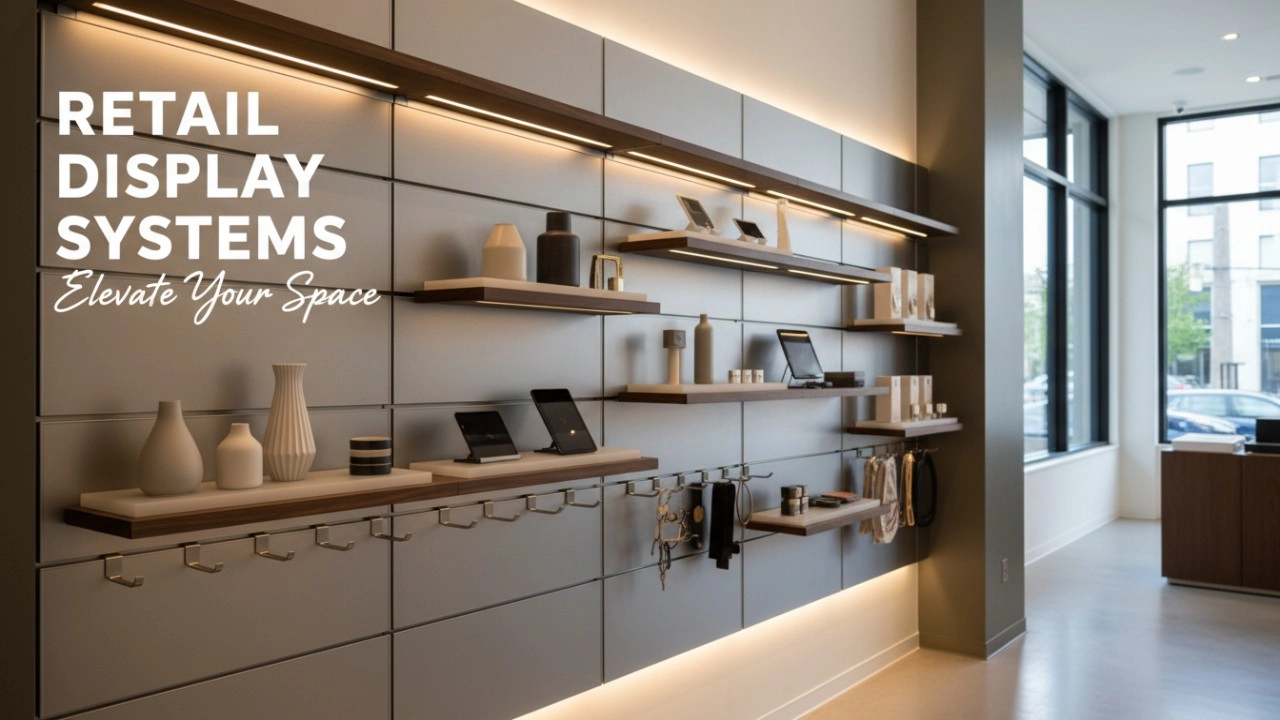
A shelf is any flat, horizontal surface used to hold items. It can be part of a larger piece of furniture, such as a bookcase or cabinet, or mounted independently on a wall. Shelves are versatile and can be used in various settings, from homes to retail stores.
 
For example, a wall shelf in a living room might hold decorative items, while a retail shelf could display products for sale. The key characteristic of a shelf is its simplicity and functionality in providing storage space.

How to Choose Between a Rack and a Shelf

Choosing between a rack and a shelf depends on your specific needs. If you need to store heavy or bulky items, a rack is likely the better option due to its sturdy structure. For lighter items or decorative purposes, a shelf is more suitable.
 
Consider factors such as the weight of the items, the available space, and the intended use. For example, a warehouse might require pallet racks for heavy storage, while a home office might benefit from wall shelves for books and supplies.

Conclusion

Understanding the difference between a rack and a shelf is crucial for selecting the right storage solution. Racks are ideal for heavy-duty storage, while shelves are perfect for lighter items and display purposes. By considering your specific needs and the types of items you need to store, you can make an informed decision that enhances both functionality and organization.
Tags
Shop wall Design ideas
Creative clothing display ideas
garment shop interior
modular retail displays in San Jose
clothing rack with shelves wholesale in Malaysia
diy wall mounted clothing rack with topshelf

Recommended for you

69c2483d168f1 - RUMIS

A Store Manager’s Manual for Upgrading and Replacing Retail Shelving Components (2026 Edition)

A Store Manager’s Manual for Upgrading and Replacing Retail Shelving Components (2026 Edition)
69c247ab679c4 - RUMIS

Why Flat Pack Retail Clothing Racks Are the Secret to Cutting Store Build-Out Costs in 2026

Why Flat Pack Retail Clothing Racks Are the Secret to Cutting Store Build-Out Costs in 2026
69c248af71676 - RUMIS

Essential Maintenance Protocols for Heavy Duty Metal Clothing Racks in 2026

Essential Maintenance Protocols for Heavy Duty Metal Clothing Racks in 2026
69c1f129da6d6 - RUMIS

From Factory to Floor: Streamlining Commercial Store Fixture Installation in 2026

From Factory to Floor: Streamlining Commercial Store Fixture Installation in 2026
69c207d196070 - RUMIS

Powder Coating vs. Electroplating: Which Finish Guarantees Longevity in 2026?

Powder Coating vs. Electroplating: Which Finish Guarantees Longevity in 2026?
Product Categories
FAQ
FAQ
How long does it take to receive a customized display clothes rack order?

The turnaround time for custom clothes display rack orders varies depending on the complexity of the request and our current production schedule. We will provide you with an estimated timeline when you place your order.

Do you provide customized garment display rack for clothes ervices?

Yes, we provide customized garment display racks for clothes services where we can tailor product designs, dimensions, and colors according to your requirements.

What information should I provide for the initial custom clothes display rack consultation?

Provide your brand guidelines, store dimensions, budget, and any specific design preferences for modular shopfitting systems.

Do you provide shipping and delivery services for a frame display stands?

Yes, we offer reliable shipping and delivery services for fashion clothing rack displays, working with trusted logistics partners to guarantee prompt delivery.

Are your retail clothes display racks available in stock or made to order?

Our retail clothing store displays are available in standard inventory, with many products made to order for custom requirements.

You may also like

STAX - RUMIS

STAX

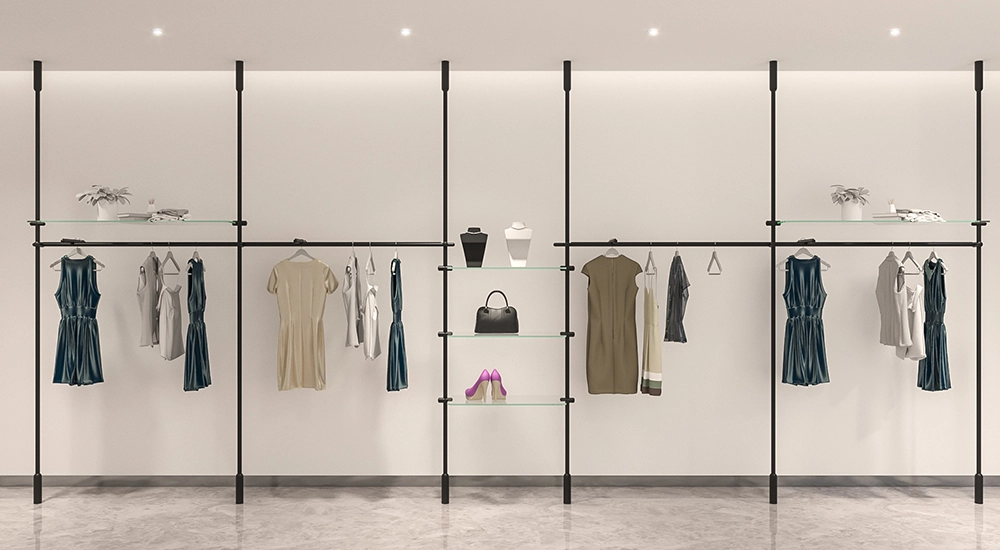
Black Metal & Glass Multi-Tier Adjustable Wall-Mounted Clothing Rack System.
STAX
FLEEK - RUMIS

FLEEK

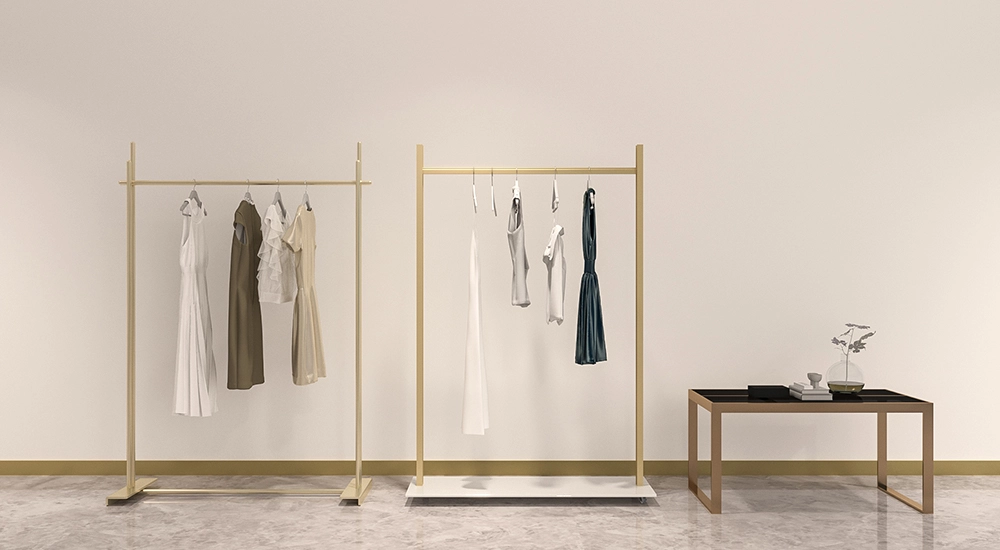
Elegant gold free-standing custom clothing display rack set with multi-function display table
FLEEK
contemporary clothing rack - RUMIS

LUXA

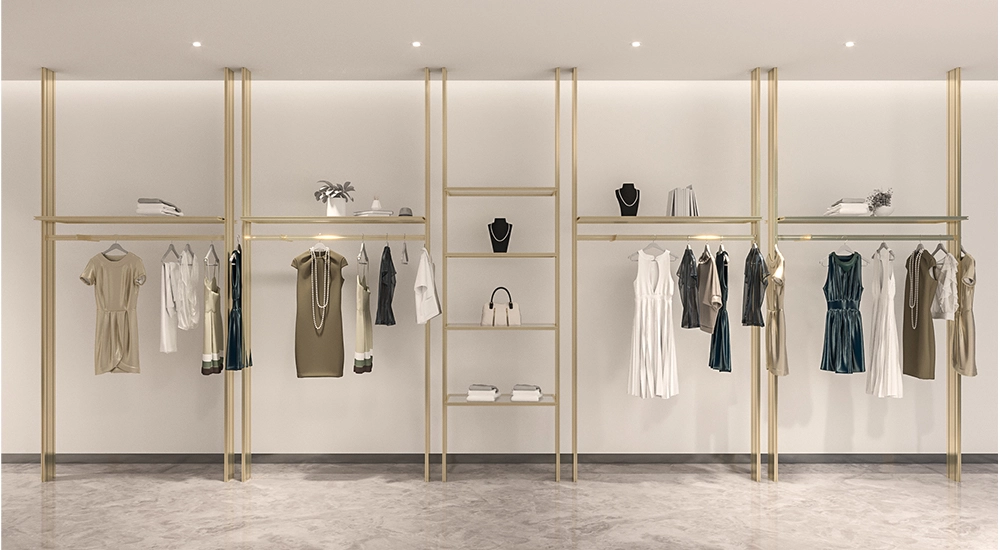
Champagne gold Metal and Glass Wall-Mounted Multi-Compartment Clothing Display System.
LUXA
modern clothing rack - RUMIS

VISO

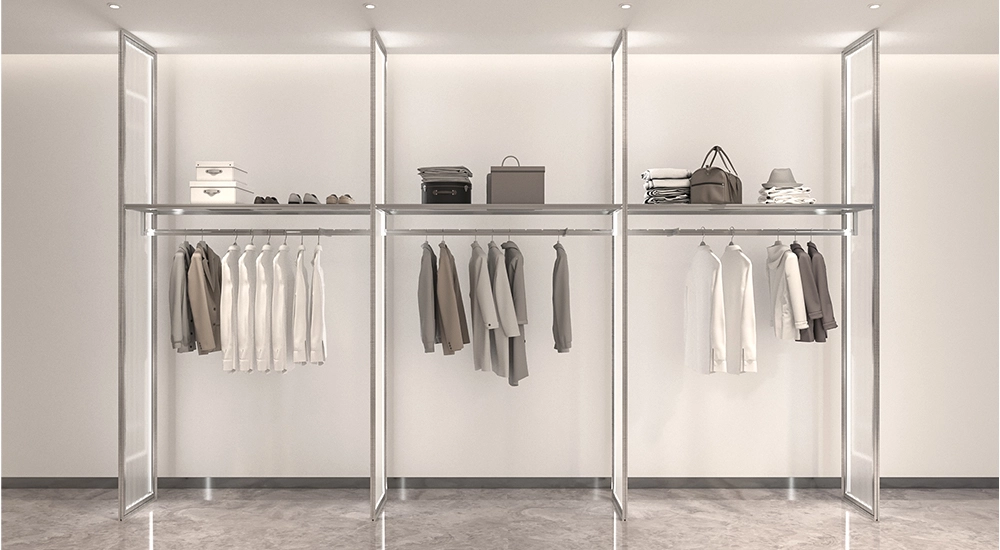
Silver Metal and Glass wall-mounted Multi-Compartment Clothing Display System
VISO

Start your journey with us

Are you ready to improve your store operations with our display systems?

Get started today.

Name must not exceed 100 characters.
Invalid email format or length exceeds 100 characters. Please re-enter.
Please enter a valid phone number!
Company Name must not exceed 150 characters.
Content must not exceed 3000 characters.
Contact customer service