

Why Modular Display Systems Are the Future of Sustainable Retail
In today’s fast-evolving retail landscape, brands are constantly under pressure to balance flexibility, cost-efficiency, and sustainability. Modular display systems—or modular retail display systems—offer a powerful solution by combining reconfigurability with long-term value. Here’s why these systems are rapidly becoming the backbone of modern, sustainable retail.
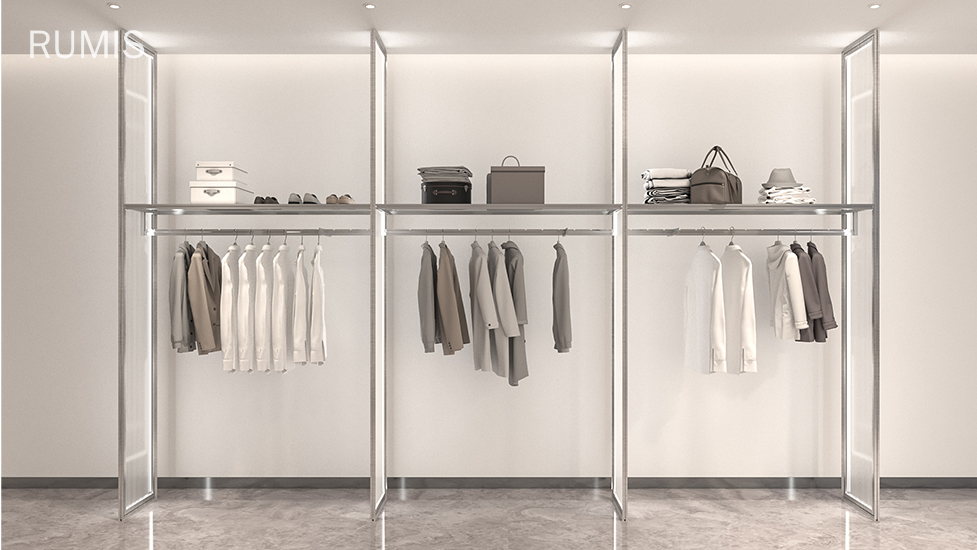
What Are Modular Display Systems?
Modular display systems are built from interchangeable parts—such as frames, shelves, panels, and graphics—that can be reused, reconfigured, and adapted as a retailer’s needs evolve. This design offers long-term versatility and cost‑efficiency far beyond traditional one‑time fixtures. Rather than constructing static, one-off units, retailers invest in a standard modular structure and simply swap out elements to match different campaigns, seasons, or store layouts. This enables highly flexible merchandising without recurring large capital expenses.
Unlike traditional fixed displays or fully bespoke fixtures, modular retail display systems maintain a constant base while the visual and functional components evolve over time. This approach not only supports brand consistency but also dramatically accelerates refresh cycles.
Key Benefits of Modular Display Systems
Exceptional Flexibility
-
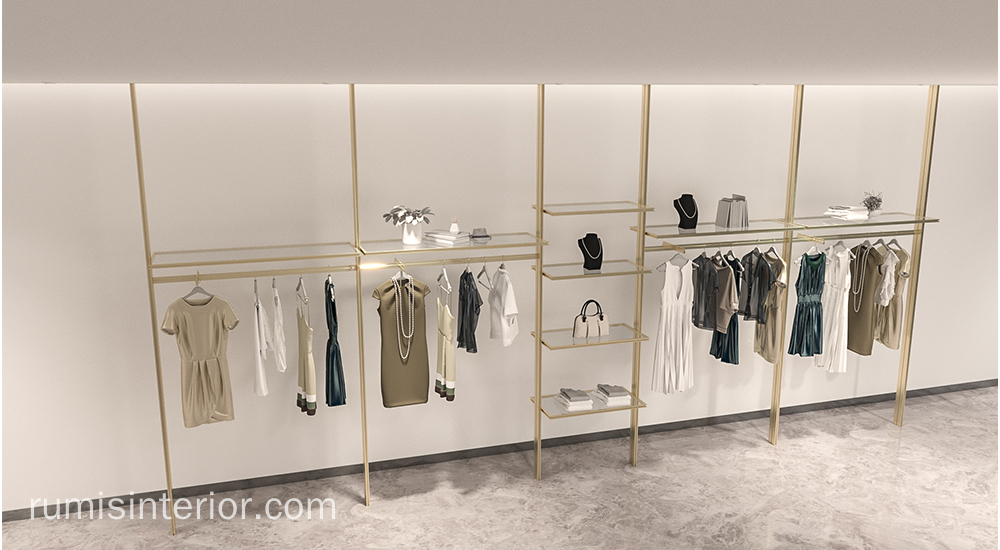
Retailers can reconfigure store layouts quickly to align with seasonal promotions, product launches, or pop-up activations. The modular nature means the same base structure can be reshaped into wall displays, gondolas, islands, or hanging fixtures—maximizing spatial versatility across formats. For example, the RUMIS SLIK Wall-Mounted Modular Clothing Display System offers multiple widths and heights to adapt to different wall layouts.
Cost Efficiency & Long-Term ROI
-
Although there's an initial capital outlay, modular retail display systems yield savings over time because modules can be reused rather than replaced, offering strong lifecycle value. When you only update graphic panels or add new modules, you avoid the cost and waste of manufacturing entirely new displays. The labor and logistics costs for installation and reconfiguration are also lower, since many systems use lightweight components and intuitive, tool‑free connections, reducing both time and manpower requirements significantly.
Environmental Sustainability
-
Reusing modules across campaigns or stores reduces waste and minimizes the need for disposable fixtures, making modular systems an eco-friendlier choice. Many modern modular systems utilize recyclable or eco-friendly materials, aligning closely with sustainability initiatives. By adopting modular display systems, brands can demonstrate a genuine commitment to greener retail practices—a signal that resonates strongly with today’s environmentally conscious consumers.
Speed & Agility
-
Modular systems support fast in-store changes—whether it’s a seasonal refresh, a special promotion, or a product launch—saving significant time compared to building from scratch. Components often require minimal tools to assemble or disassemble, allowing store teams to make changes quickly and efficiently on the ground. Rapid reconfiguration helps reduce downtime, enabling stores to respond more dynamically to market needs and maximize merchandising opportunities.
Brand Consistency + Visual Customization
-
Core modules provide a consistent backbone for all stores, whether they’re large flagships, compact boutiques, or pop‑up locations, ensuring brand coherence across formats. At the same time, panels, graphics, and accessories can be fully customized—in terms of colors, finishes, and messaging—giving each store or campaign its own visual identity. This smart balance of standard structure and flexible design ensures both brand consistency and differentiated visual storytelling, while also supporting efficient reconfiguration and long‑term modular reuse.
Future-Ready: Smart & Data-Driven Displays
-
The latest modular display systems are being designed to integrate with smart technology—including sensors, digital screens, and data-capture units—turning static fixtures into interactive, intelligent tools. These “smart modules” can track shopper behavior (such as dwell time or engagement) and feed actionable insights back to merchandising and marketing teams. Blending modular architecture with digital intelligence makes these systems not just physically flexible but also strategically powerful—supporting data-driven decisions, personalization, and real-time campaign optimization.
-

-
Additional Advantages of Modular Display Systems
Space Optimization & Scalable Layouts
Modular display systems are highly efficient in using both vertical and horizontal space — maximizing product density without cluttering the store and unlocking hidden merchandising zones. According to industry analysis, modular storage can significantly increase usable display area, optimizing floor space for better visual appeal and customer flow. This scalability means retailers can start with a core fixture set and expand modularly as needed, adding modules without a full redesign — ideal for multi-store brands or growing businesses. For more on how RUMIS enables scalable layouts, see our Modular Retail Display Systems case studies.
Easy Assembly, Transport & Reconfiguration
Modular systems are often designed for tool‑free or minimal‑tool assembly, greatly reducing setup time and simplifying reconfiguration for seasonal changes, relocations, or new campaigns. Because the components are lightweight and pack down efficiently, shipping and storage become much more manageable — a major advantage for regional roll‑outs or temporary pop‑up stores. RUMIS’s free‑standing series even demonstrates this modular ease in its Free‑Standing Series solutions, allowing for quick deployment and effortless layout changes while maintaining structural stability.
-
Practical Guide: How to Implement Modular Display Systems in Your Retail Strategy
-
Step Key Actions 1. Conduct a Fixture Audit Review current fixtures; identify which are replaced often or discarded. Replace rigid units with modular, interchangeable modules. 2. Design for Reusability Select a durable base structure for long-term use. Plan which modules (shelves, graphics, hooks) will be swapped by season or campaign. 3. Optimize Logistics Keep a core inventory of modular parts. Leverage the lightweight design to reduce shipping and storage costs. 4. Prioritize Sustainability Choose modules made from recyclable or low-impact materials. Reuse modules across campaigns instead of discarding them. 5. Incorporate Smart Elements Use modules compatible with sensors, digital screens or data-capture tools. Use insights from smart modules to refine layouts and merchandising. 6. Measure the Impact Compare cost savings of reusing modules versus buying new. Track labor and installation efficiencies. Measure sales lift or engagement after modular refreshes.
Why Partnering with a Modular Display Specialist Makes Sense
By working with a modular display systems specialist—someone who deeply understands modular retail design—retailers can leverage both standardized structures and highly customizable modules. This partnership delivers significant strategic advantages:
-
Rapid Deployment Across Formats
Whether you’re launching a flagship store, a pop‑up event, or a temporary activation, a modular display partner can deploy consistent systems quickly. Their expertise ensures your modular retail display systems are optimized for speed, adaptability, and ease of installation — dramatically reducing rollout time and minimizing operational disruption. -
Long-Term Cost Savings Through Reuse
Instead of buying completely new fixtures for every campaign, you can reuse interchangeable retail display systems. With a modular specialist, you only need to refresh graphic panels or add new modules — saving on production and manufacturing costs, eliminating waste, and maximizing your return on investment over many usage cycles. -
Improved Sustainability Profile
A modular‑display partner often offers eco‑friendly modules made from recyclable or low‑impact materials. By reusing components rather than discarding them, your brand reduces waste, lessens its carbon footprint, and aligns with greener retail practices—enhancing both sustainability and corporate responsibility. (See RUMIS’s commitment in our brand story -
Scalable, Smart & Data‑Driven Capabilities
Working with an expert opens the door to integrating smart modules — such as those with sensors, digital screens, or data‑capture tech. These data‑driven systems help you track shopper behavior (dwell time, engagement) and iteratively optimize your merchandising strategy based on actionable insights, paving the way for intelligent, future-ready retail environments. -
-
RUMIS’s Strategic Leadership: Modular + Sustainable + Smart
-
Sustainable Material Innovation
RUMIS is deeply committed to eco-friendly display systems: their modular lines leverage recyclable metals, responsibly sourced materials, and low-VOC finishes, aligning with modern sustainability goals and minimizing environmental impact for long-term use.Tech-Ready Modular Design
RUMIS’s modular clothing display systems are already compatible with integrated lighting and LED modules — for example, their wall-mounted system supports a 12 V LED rail, making it future-proof and ready to integrate interactive or sensor-based smart elements seamlessly.Scalable, Reconfigurable Solutions
RUMIS’s modular shopfitting systems (such as their TINT, STAX, and SLIK series) give retailers the ability to reconfigure fixtures quickly and easily — enabling the addition of smart modules (e.g., sensor mounts, digital screens) without rebuilding the whole structure.Aligning with 2026 Retail Trends
By combining modular flexibility, sustainability, and readiness for smart integration, RUMIS is strongly aligned with leading retail display trends forecasted for 2026 — positioning itself as an innovator in the new generation of connected, eco-conscious retail.Long-Term Value & Innovation
RUMIS’s strategy emphasizes long-life, reusable modular systems that can be easily upgraded. This not only minimizes waste, but also maximizes ROI and supports a transition toward smarter, connected retail environments that evolve with your brand.
-
Conclusion
FAQs
-
What is a modular display system?
It’s a merchandising system built from interchangeable modules (frames, shelves, panels, graphics) that can be reused, reconfigured, and adapted as your retail needs change. -
Are modular displays cost‑effective?
Yes — after the initial investment, you only need to replace or update certain modules (like graphics), not the whole fixture. This cuts long-term costs. -
Can modular systems be sustainable?
Absolutely. They reduce waste by reusing components, and many modules are made from recyclable or eco‑friendly materials. -
How fast can I reconfigure a layout?
Very fast — RUMIS modular systems (like the SLIK wall-mounted rack) are designed for tool-light or tool-free assembly, letting teams reconfigure layouts in hours. -
Will modular displays look the same across stores?
Yes. They use a consistent base, and you can customize graphics, colors, and accessories to maintain brand identity while keeping flexibility.
- What Are Modular Display Systems?
- Key Benefits of Modular Display Systems
- Exceptional Flexibility
- Cost Efficiency & Long-Term ROI
- Environmental Sustainability
- Speed & Agility
- Brand Consistency + Visual Customization
- Future-Ready: Smart & Data-Driven Displays
- Additional Advantages of Modular Display Systems
- Space Optimization & Scalable Layouts
- Easy Assembly, Transport & Reconfiguration
- Practical Guide: How to Implement Modular Display Systems in Your Retail Strategy
- Why Partnering with a Modular Display Specialist Makes Sense
- RUMIS’s Strategic Leadership: Modular + Sustainable + Smart
- Conclusion
- FAQs
Recommended for you
Why Your Display in Retail is Failing: 7 Critical Errors and How to Fix Them Now
How to Choose a Clothing Display Rack That Boosts Your Sales by 30% (2026 Guide)
The Future of Retail Display Racks: Smart, Sustainable, and Modular Solutions
Retail Display Wall Systems 2026: Smart Modular Walls That Maximize Store Profitability
The Strategic Aspects That Define an Effective Retail Display System
FAQ
What types of customization options are available for your products?
We offer a wide range of customization options for your customized display clothes rack, including color matching, material selection, and finish processing. Inquire for more details.
Do you provide customized garment display rack for clothes ervices?
Yes, we provide customized garment display racks for clothes services where we can tailor product designs, dimensions, and colors according to your requirements.
How can I place an order for your display racks?
You can reach us by phone, email, or through the contact form on our website. After receiving your display racks order request, we will communicate all the details with you and provide you with a quotation.
What information should I provide for the initial custom clothes display rack consultation?
Provide your brand guidelines, store dimensions, budget, and any specific design preferences for modular shopfitting systems.
Do you provide shipping and delivery services for a frame display stands?
Yes, we offer reliable shipping and delivery services for fashion clothing rack displays, working with trusted logistics partners to guarantee prompt delivery.
You may also like
RYLOR
FLEEK
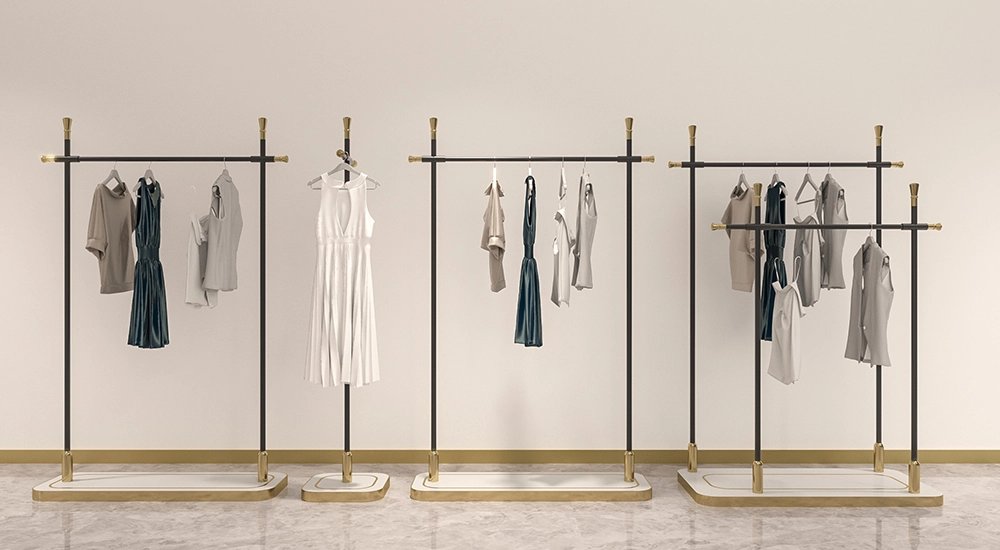
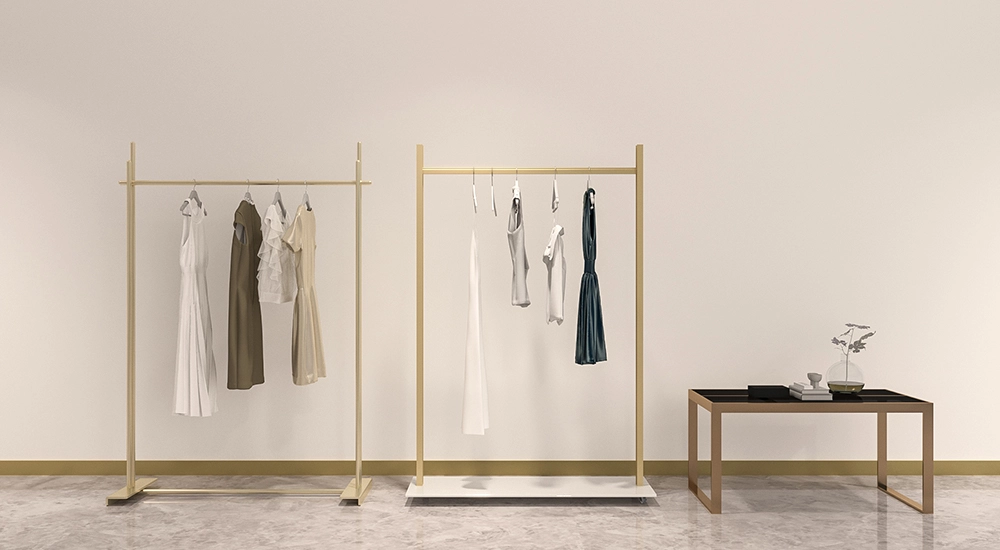
Elegant gold free-standing custom clothing display rack set with multi-function display table
VISO
STAX
Start your journey with us
Are you ready to improve your store operations with our display systems?
Get started today.
Copyright © 2024 RUMIS All Rights Reserved. Designed by Gooeyun

Facebook
LinkedIn
Instagram