

What Makes a Good Retail Display: Expert Tips
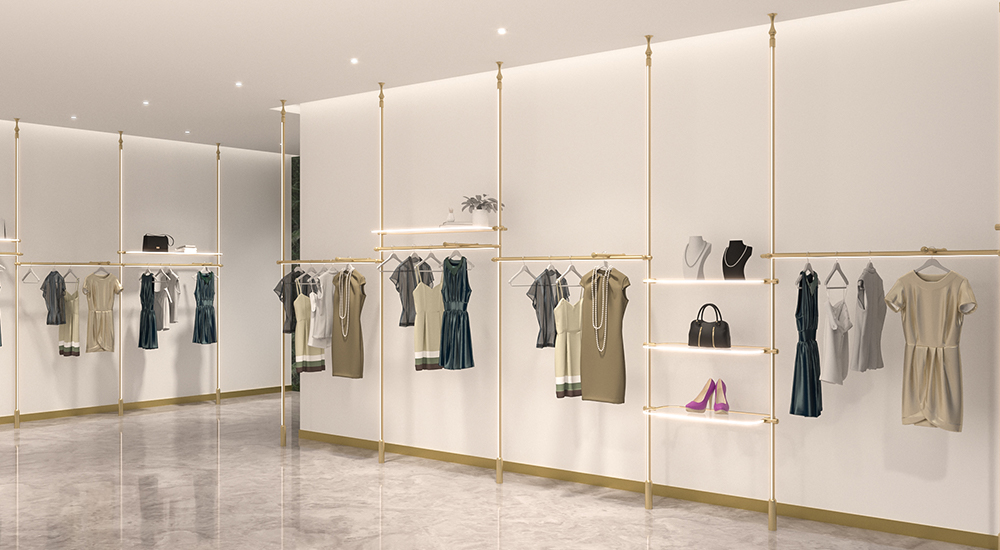
1. Attention-Grabbing Design
-
Bold and Visual Appeal: Use bright colors, interesting shapes, and unique materials to catch the shopper’s eye. The display should be visually striking from a distance.
-
Theme Consistency: The design should align with your brand’s identity and the products being showcased. Consistent color schemes, logos, and fonts help with brand recognition.
-
Creativity: Innovative or unexpected designs often stand out. Think outside the box to make your display memorable.
2. Product Placement and Accessibility
-
Easy to Reach: Place products at eye level or within easy reach of customers. If possible, products should be accessible without too much effort.
-
Clear Focal Point: Highlight your best-selling, most seasonal, or promotional products in the center or most visible area.
-
Grouping Products: Use themes to group complementary items together (e.g., matching outfits, travel accessories with luggage). This encourages upselling and cross-selling.
3. Lighting
-
Highlight the Products: Good lighting can make a display pop, especially for products like clothing or jewelry. Use spotlights, LED strips, or soft ambient lighting to draw attention.
-
Create Atmosphere: Lighting sets the mood. For example, a warm, soft glow might work for beauty products, while bright, white light might be better for electronics or food.
4. Effective Signage
-
Clear Product Information: Make sure product names, prices, and any discounts are easy to read. Keep signage simple and direct.
-
Directional Signs: Use signs to guide customers around the store or to specific sections.
-
Call-to-Action: Encourage shoppers to act by using phrases like "Limited Time Only" or "Best Seller" to create urgency.
5. Space Utilization
-
Not Overcrowded: Cluttered displays can be overwhelming. Ensure that products have enough space to stand out individually.
-
Flow: The display should guide customers through the store smoothly, without creating any obstacles or congestion.
-
Interactive Space: If appropriate, include areas where customers can engage with the products (e.g., testing a beauty product or trying on clothes).
6. Storytelling or Experience
-
Create a Narrative: Use the display to tell a story or create an experience around the product. For example, you might showcase a picnic set with a mini setting that includes a blanket, basket, and food.
-
Emotionally Engaging: People often buy based on emotion, so creating displays that trigger an emotional response can help. This might mean showing how a product fits into a lifestyle (e.g., outdoor gear displayed in a camping setup).
7. Seasonal or Trend Relevance
-
Adapt for Seasons: Change your display to reflect seasonal or holiday trends. For example, a cozy, holiday-themed display for winter or an outdoorsy, sunny vibe for summer.
-
Reflect Market Trends: Stay on top of current trends and align your displays accordingly. For instance, if sustainability is in vogue, highlighting eco-friendly products would resonate with shoppers.
8. Interactivity and Technology
-
Digital Touchpoints: Incorporating technology like touchscreens, interactive displays, or QR codes that lead to more information or special offers can engage customers more deeply.
-
Augmented Reality (AR): Some stores are experimenting with AR to let customers visualize how products (like furniture or clothing) will look in real life.
9. Customer-Centric Approach
-
Ease of Shopping: Ensure the display is intuitive for customers to navigate. For example, if it's a shelf display, it should be easy for customers to find what they're looking for quickly.
-
Inclusivity: Ensure your displays appeal to a wide range of customers in terms of both demographics and needs (e.g., offering different sizes or price points).
10. Consistency and Rotation
-
Regular Updates: Keep your displays fresh and rotated regularly to maintain customer interest. Don’t let your products gather dust—change out items based on new arrivals or sales.
-
Branding: Keep the overall tone consistent across displays in different parts of the store. A unified look helps reinforce your brand identity.
Conclusion
Recommended for you
Why Your Display in Retail is Failing: 7 Critical Errors and How to Fix Them Now
How to Choose a Clothing Display Rack That Boosts Your Sales by 30% (2026 Guide)
The Future of Retail Display Racks: Smart, Sustainable, and Modular Solutions
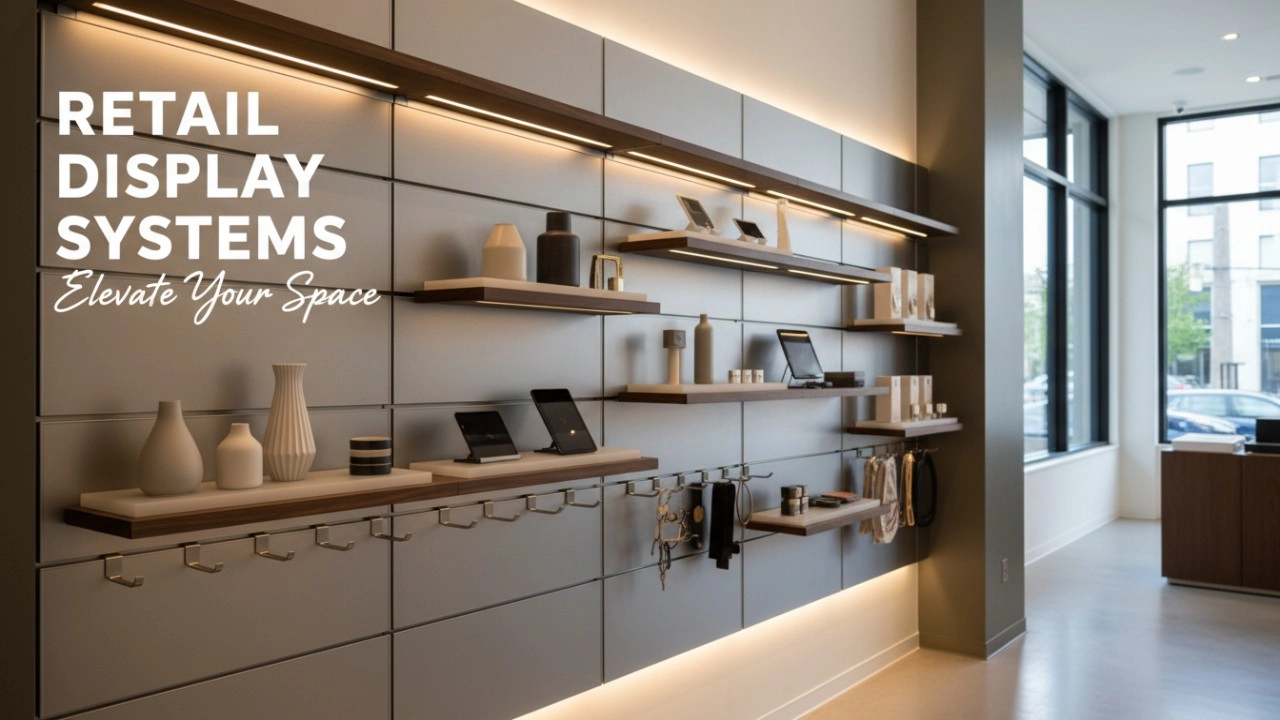
Retail Display Wall Systems 2026: Smart Modular Walls That Maximize Store Profitability
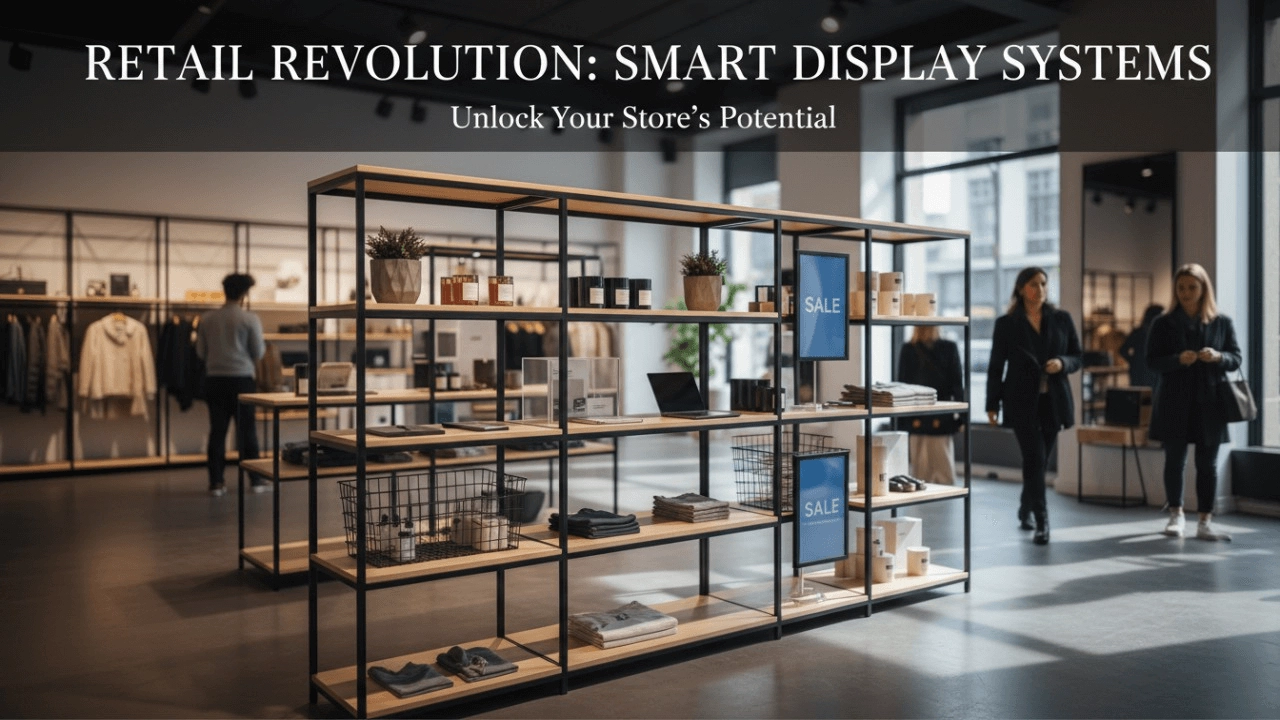
The Strategic Aspects That Define an Effective Retail Display System
FAQ
How can I place an order for your display racks?
You can reach us by phone, email, or through the contact form on our website. After receiving your display racks order request, we will communicate all the details with you and provide you with a quotation.
What information should I provide for the initial custom clothes display rack consultation?
Provide your brand guidelines, store dimensions, budget, and any specific design preferences for modular shopfitting systems.
Are the display racks compatible with different types of fashion merchandise?
Yes, our display racks are designed to accommodate a wide range of fashion merchandise, from clothing to accessories.
Do you provide customized garment display rack for clothes ervices?
Yes, we provide customized garment display racks for clothes services where we can tailor product designs, dimensions, and colors according to your requirements.
Can You Assist with Design Revisions for Commercial Clothing Rack Display?
Sure! As your design preferences evolve, we’re here to support revisions, ensuring complete satisfaction with our modular retail display system.
You may also like
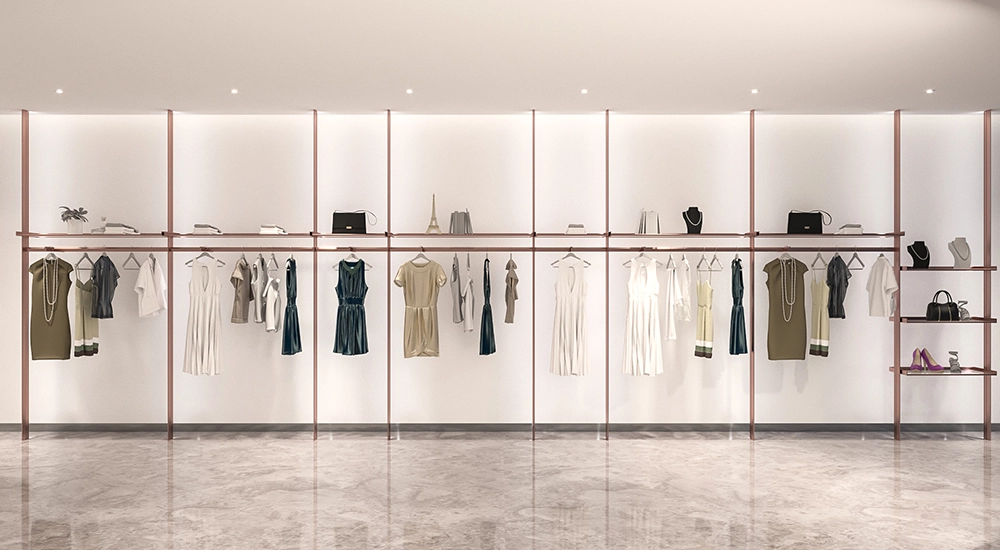
TINT
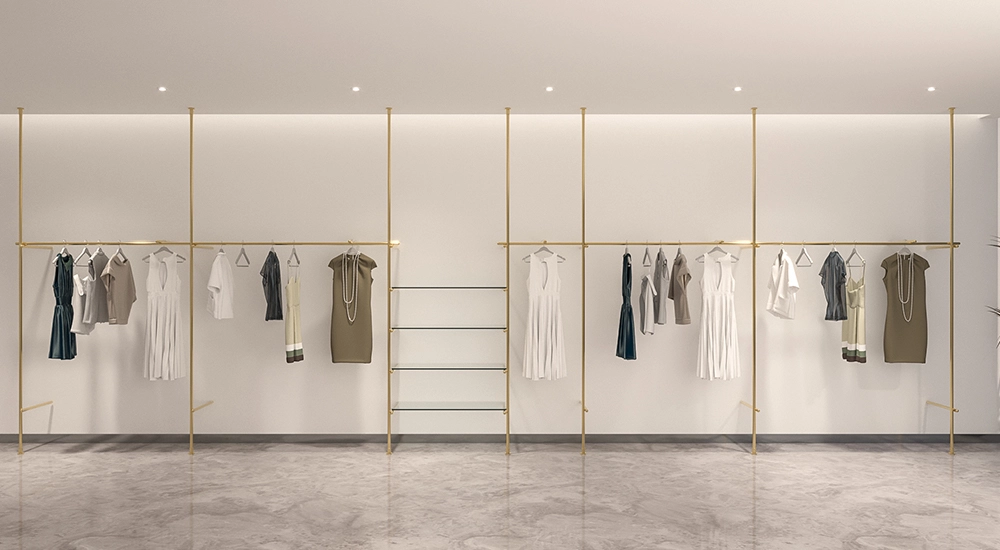
FLEX
LUXA
STAX
Start your journey with us
Are you ready to improve your store operations with our display systems?
Get started today.
Copyright © 2024 RUMIS All Rights Reserved. Designed by Gooeyun

Facebook
LinkedIn
Instagram